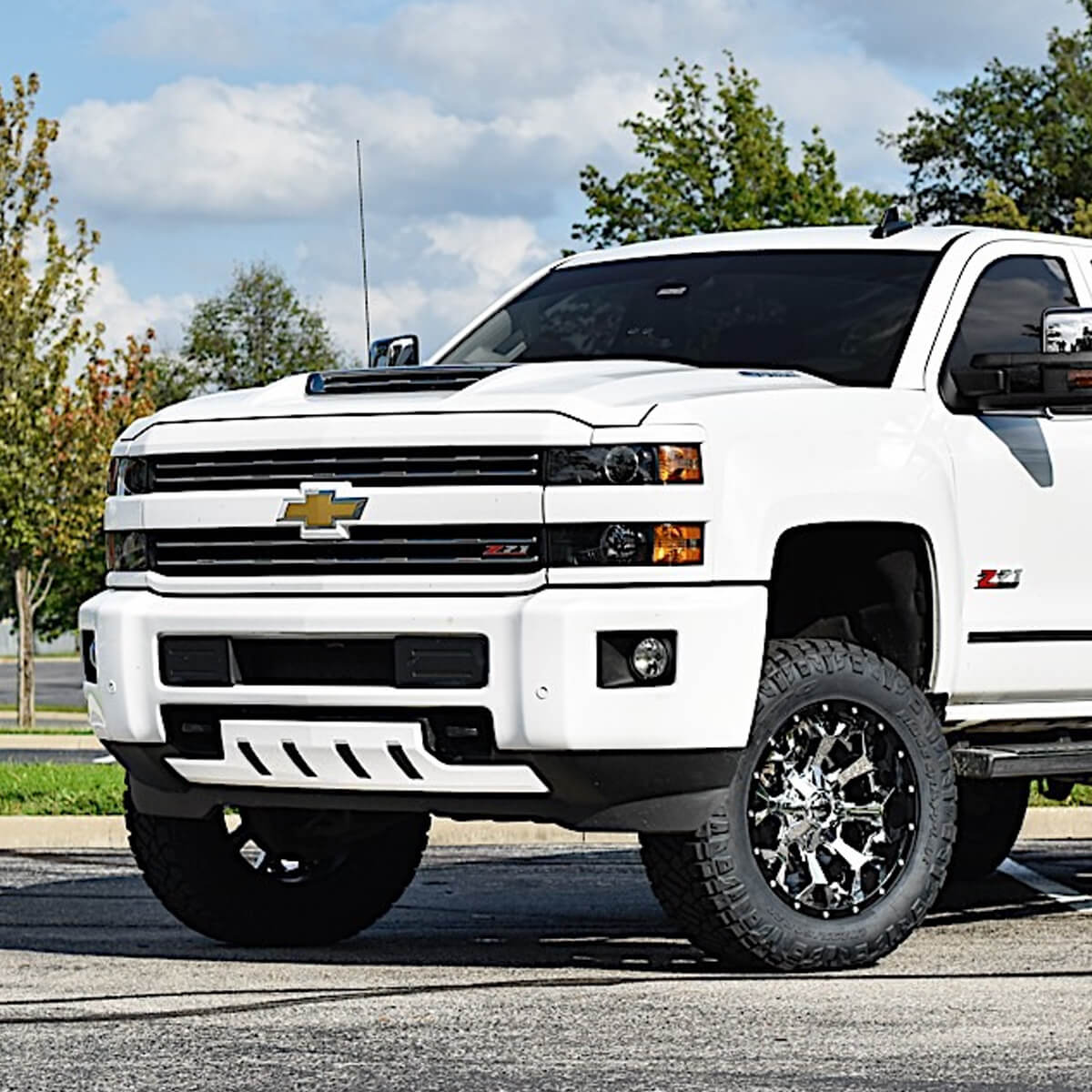

If your 2015-2016 6.7-liter Powerstroke engine is experiencing regeneration issues, high exhaust temperatures, or limited airflow, Vigor Diesel offers the premium solutions your truck needs. Our 2015-2016 6.7-liter Powerstroke removal kit series features upgraded materials, precision welding, and a precisely fitted design for long-term durability. We provide fast nationwide shipping and responsive customer support to help your truck perform better than ever before.
 Check if this fits your vehicle
 Shopping for your {{ item.vehicle.year }} {{ item.vehicle.make }} {{ item.vehicle.model }} {{ item.vehicle.submodel }} {{ item.vehicle.engine }} {{ item.vehicle.trim }}
If This Fit Your {{ item.vehicle.make }} {{ item.vehicle.model }}
Shopping for your {{ item.vehicle.year }} {{ item.vehicle.make }} {{ item.vehicle.model }} {{ item.vehicle.submodel }} {{ item.vehicle.engine }} {{ item.vehicle.trim }}
If This Fit Your {{ item.vehicle.make }} {{ item.vehicle.model }}
 Doesn't fit {{ item.vehicle.year }} {{ item.vehicle.make }} {{ item.vehicle.model }} {{ item.vehicle.submodel }} {{ item.vehicle.engine }} {{ item.vehicle.trim }}
Universal Fit
Doesn't fit {{ item.vehicle.year }} {{ item.vehicle.make }} {{ item.vehicle.model }} {{ item.vehicle.submodel }} {{ item.vehicle.engine }} {{ item.vehicle.trim }}
Universal Fit
Shop 2015–2016 Ford 6.7L Powerstroke delete kits and exhaust upgrades built for proven Super Duty performance. This collection focuses on practical improvements in exhaust flow, reduced system restriction, cleaner intake operation, and long-term drivability for F250, F350, and F450 trucks. Explore delete-related hardware, CCV reroute solutions, and more Ford Powerstroke performance parts designed for reliable daily use, towing, and diesel efficiency upgrades.
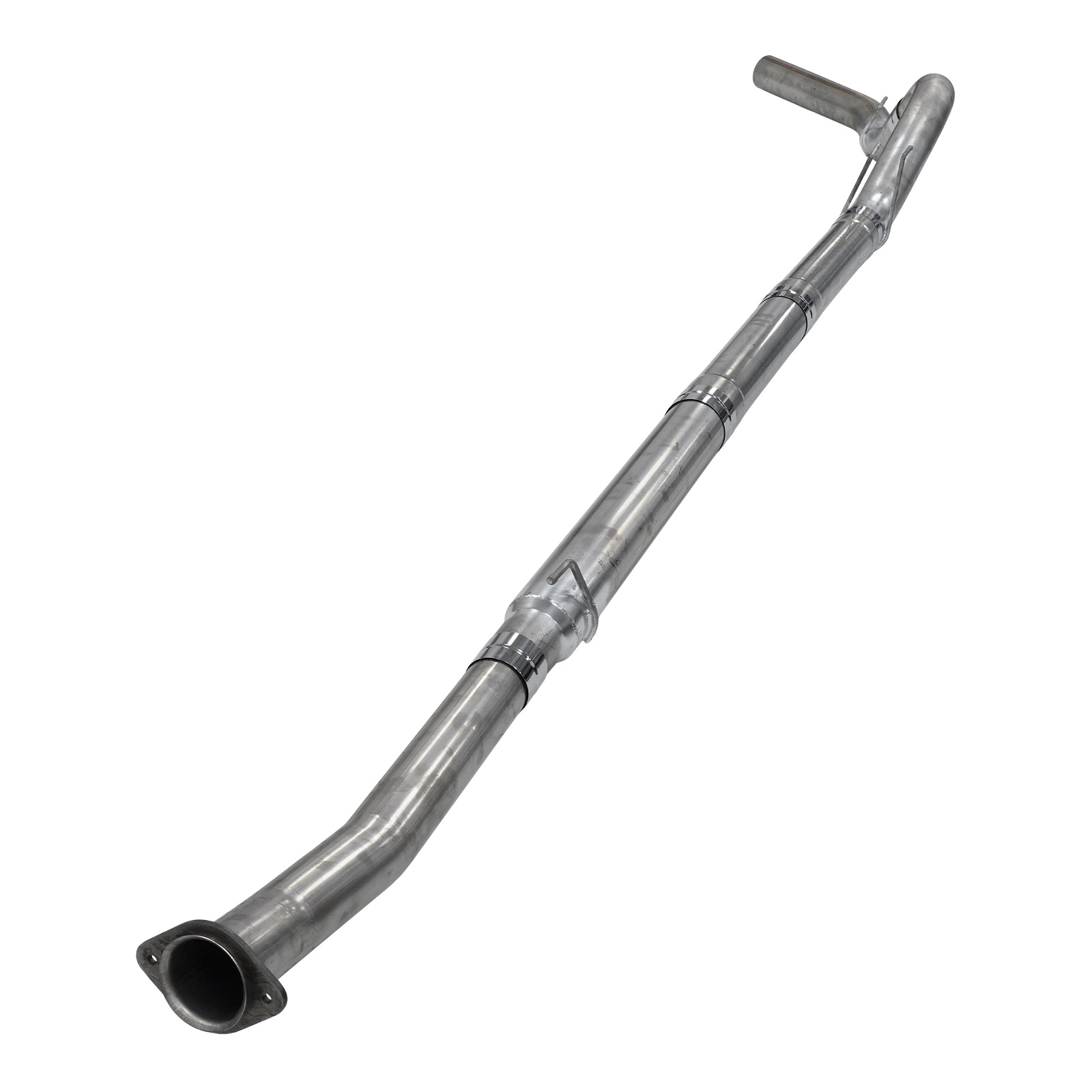
For 2015–2016 6.7 Powerstroke owners, a DPF delete pipe upgrade is one of the most practical ways to begin building a stronger setup. At this stage of the 6.7L Powerstroke platform, the content focus should stay on proven usability, not on platform transition or higher-torque generation messaging. Under towing, high-mileage use, and long-term operation, many owners care more about how smoothly the truck moves exhaust, how much restriction remains in the system, and how consistently the truck performs over time. That is why a Powerstroke DPF delete pipe is best positioned as a key upgrade for reliability upgrades and efficiency upgrades.
It helps support a more direct exhaust path while also creating a better foundation for future EGR delete, CCV reroute, or complete 2015 6.7 Powerstroke delete kit and 2016 6.7 Powerstroke delete kit upgrade paths. For drivers who want better daily drivability, improved towing consistency, and a more complete 6.7 Powerstroke delete setup, this category offers clear real-world value.
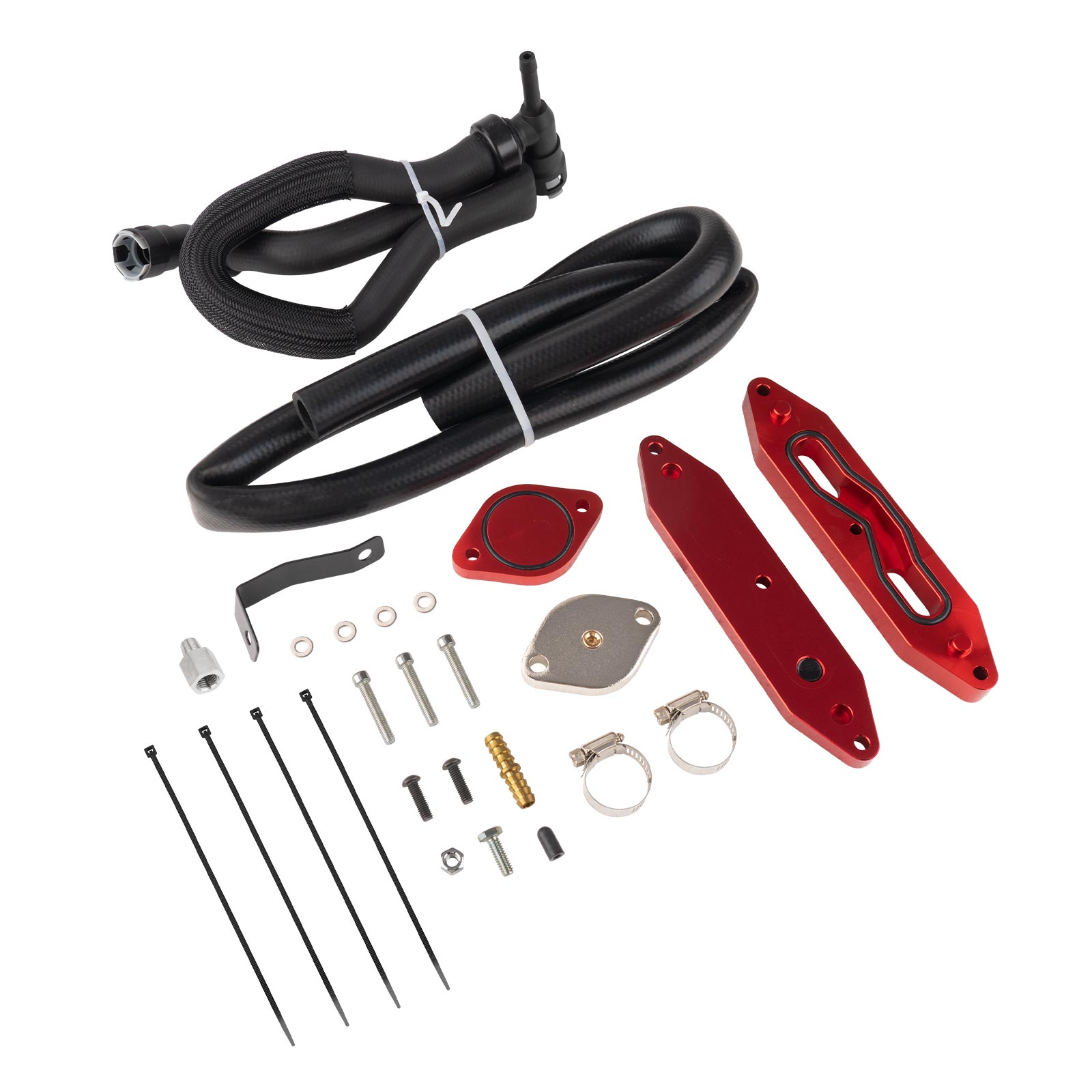
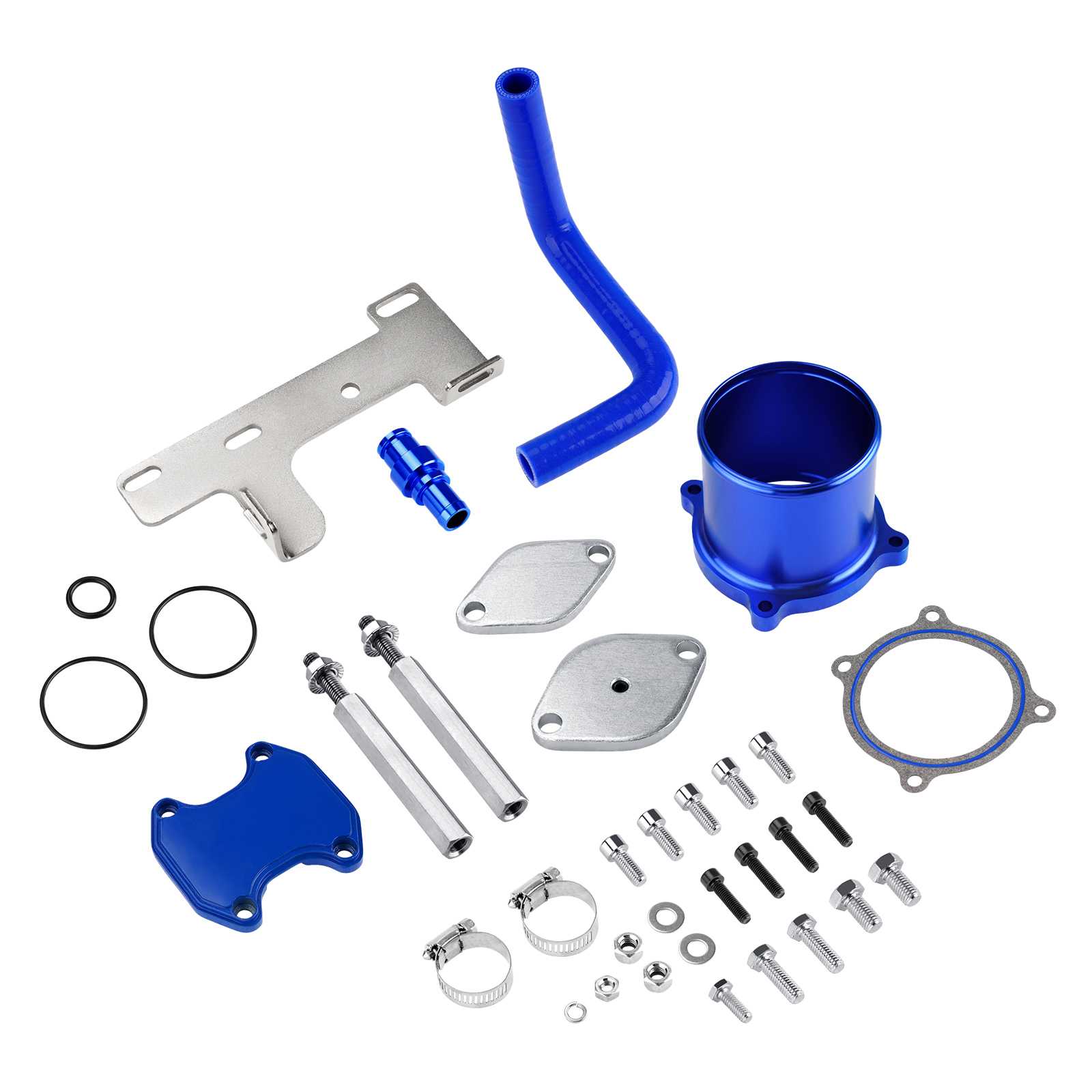
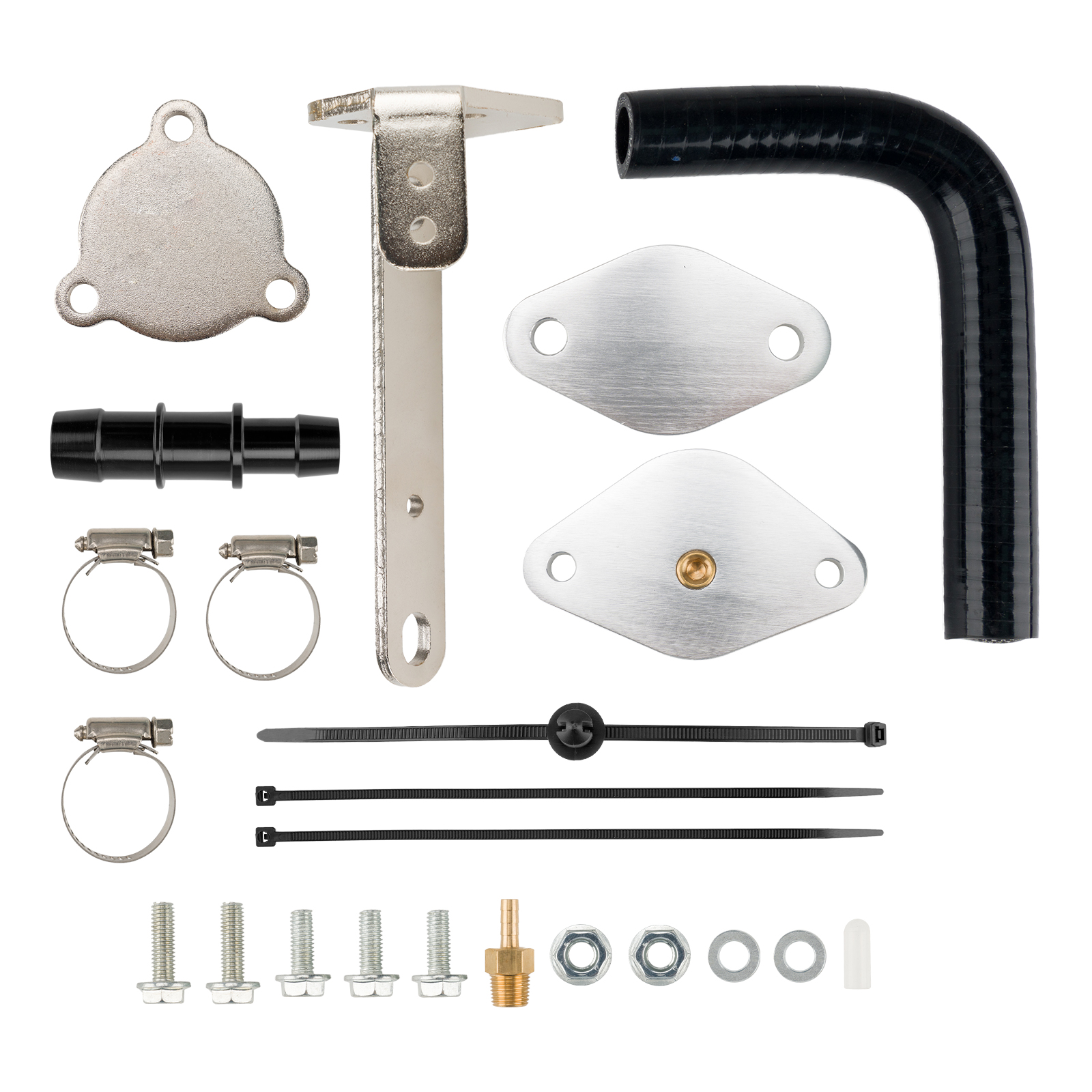
An EGR delete kit is an important part of a well-planned upgrade path because the focus for this model range is better placed on cleaner operation, lower system burden, and more stable long-term drivability. For many F250, F350, and F450 owners who tow regularly, commute daily, or operate higher-mileage trucks, the factory EGR system can contribute to hot exhaust recirculation, carbon buildup, and additional long-term stress that may affect overall consistency. That is why a 6.7 Powerstroke EGR delete is best positioned as a core upgrade for cleaner operation, long-term reliability, and reduced restriction. It can also be paired with other Ford Powerstroke performance parts, such as a DPF delete pipe to improve the exhaust-side setup, or combined with a CCV reroute 6.7 Powerstroke solution to create a more complete upgrade strategy and a clearer 2015–2016 6.7 Powerstroke upgrade path.
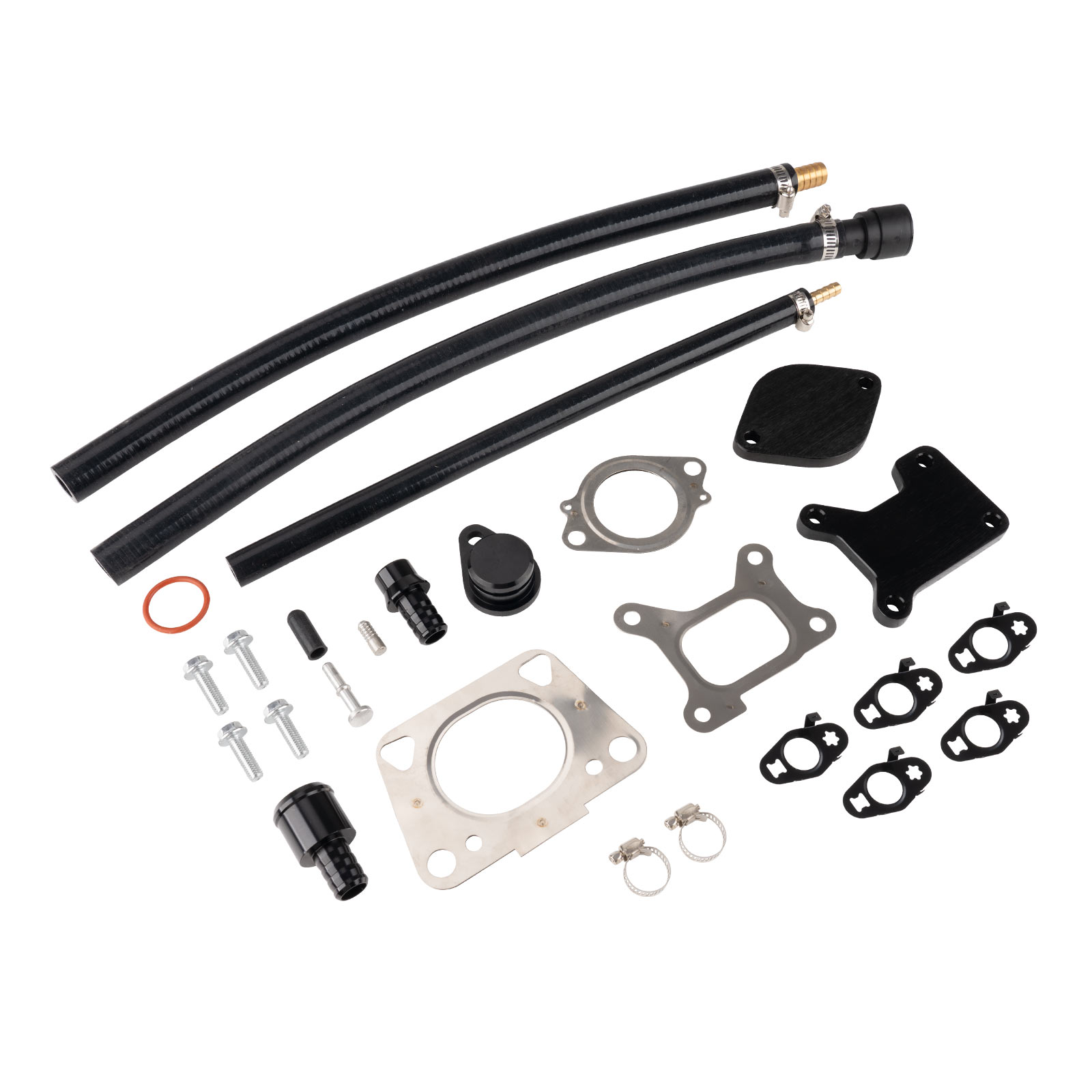
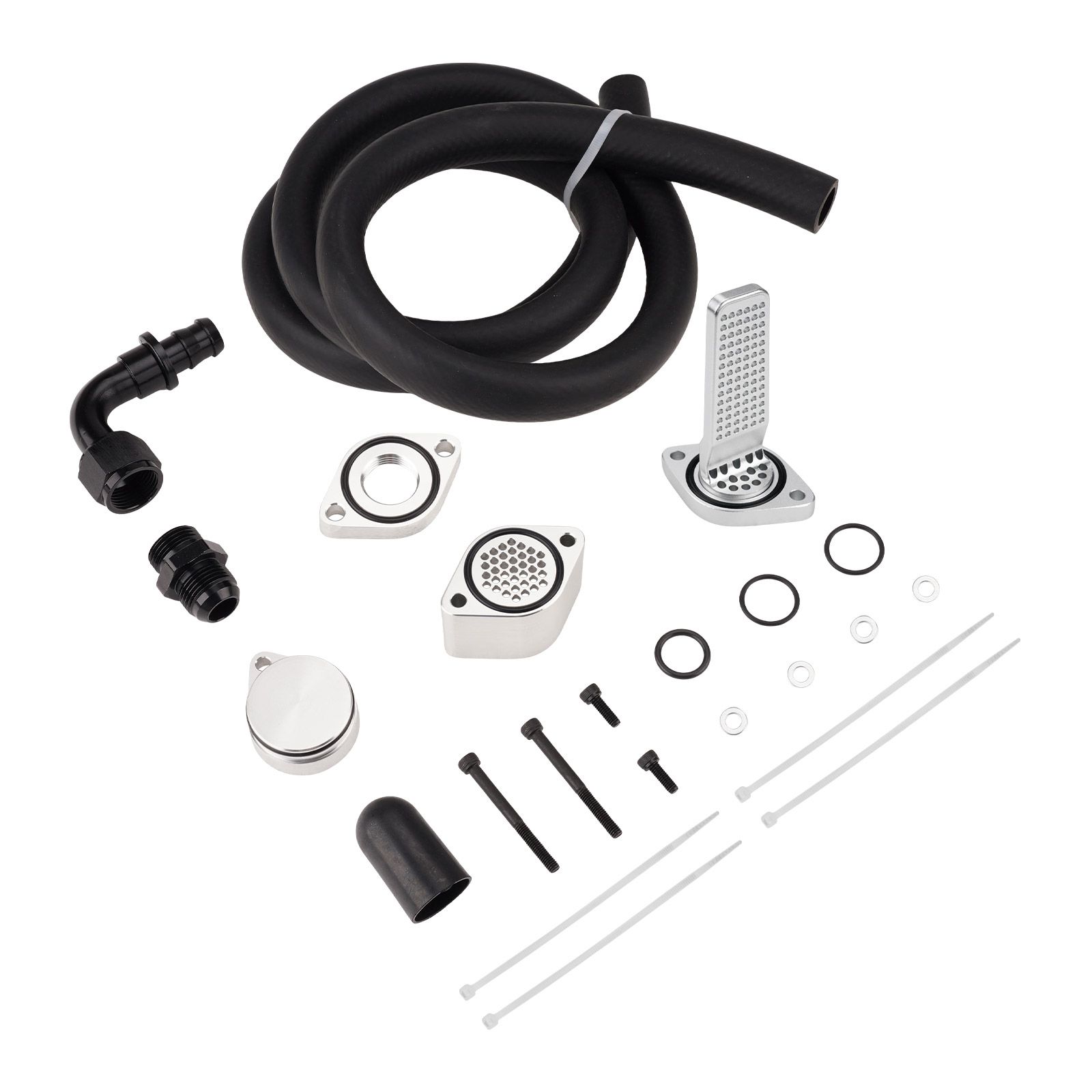
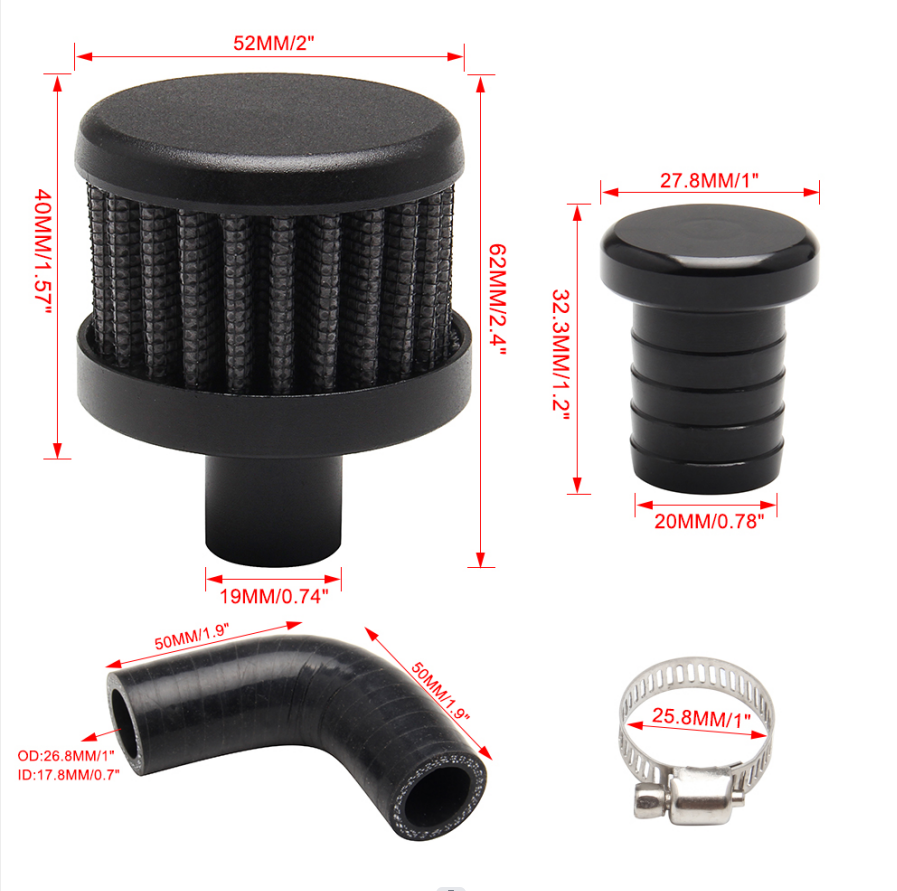
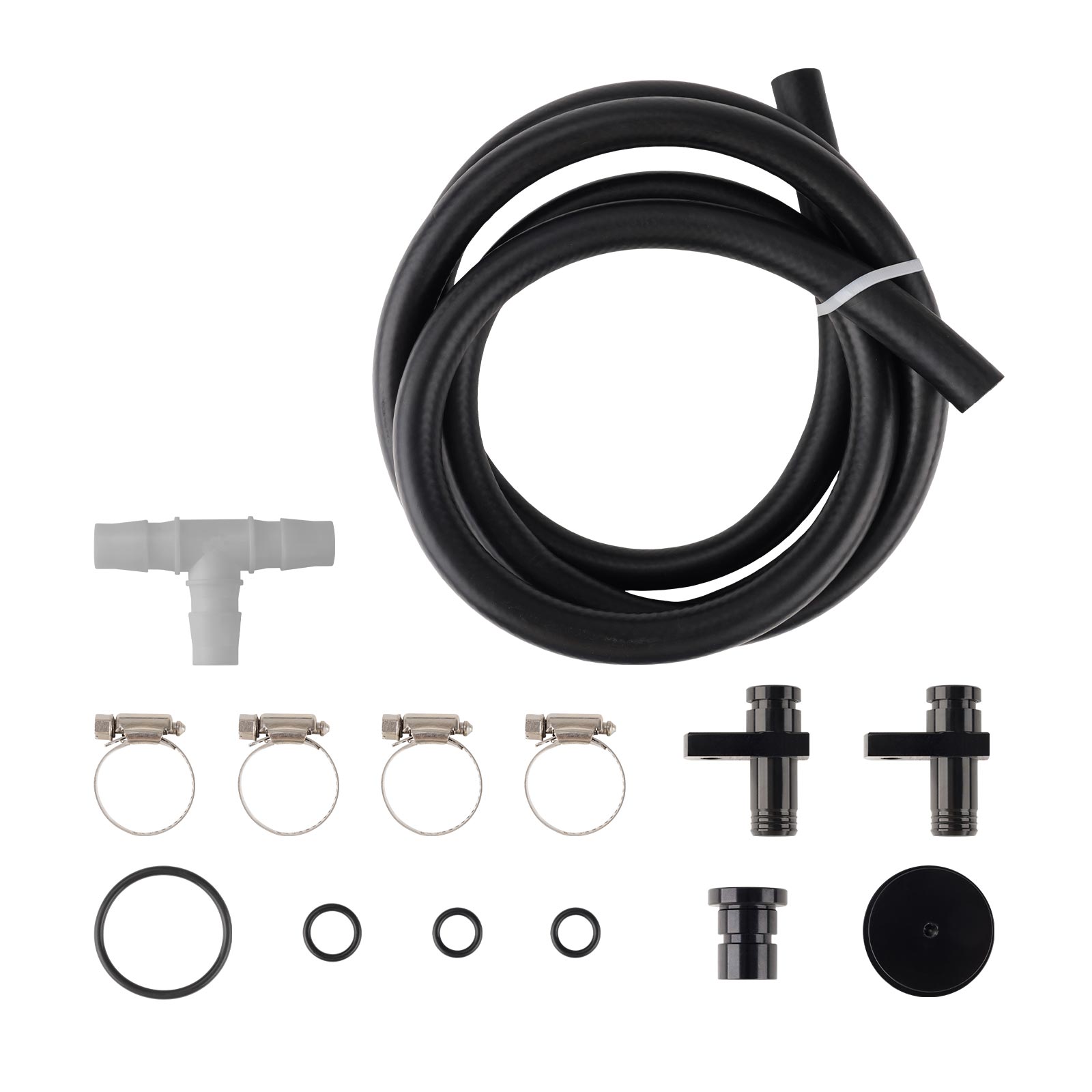
A CCV reroute is better presented as a maintenance-minded upgrade rather than a performance-focused one. Many trucks from these model years are already in higher-mileage use, so owners tend to care more about intake cleanliness, easier upkeep, and keeping the truck dependable over time.
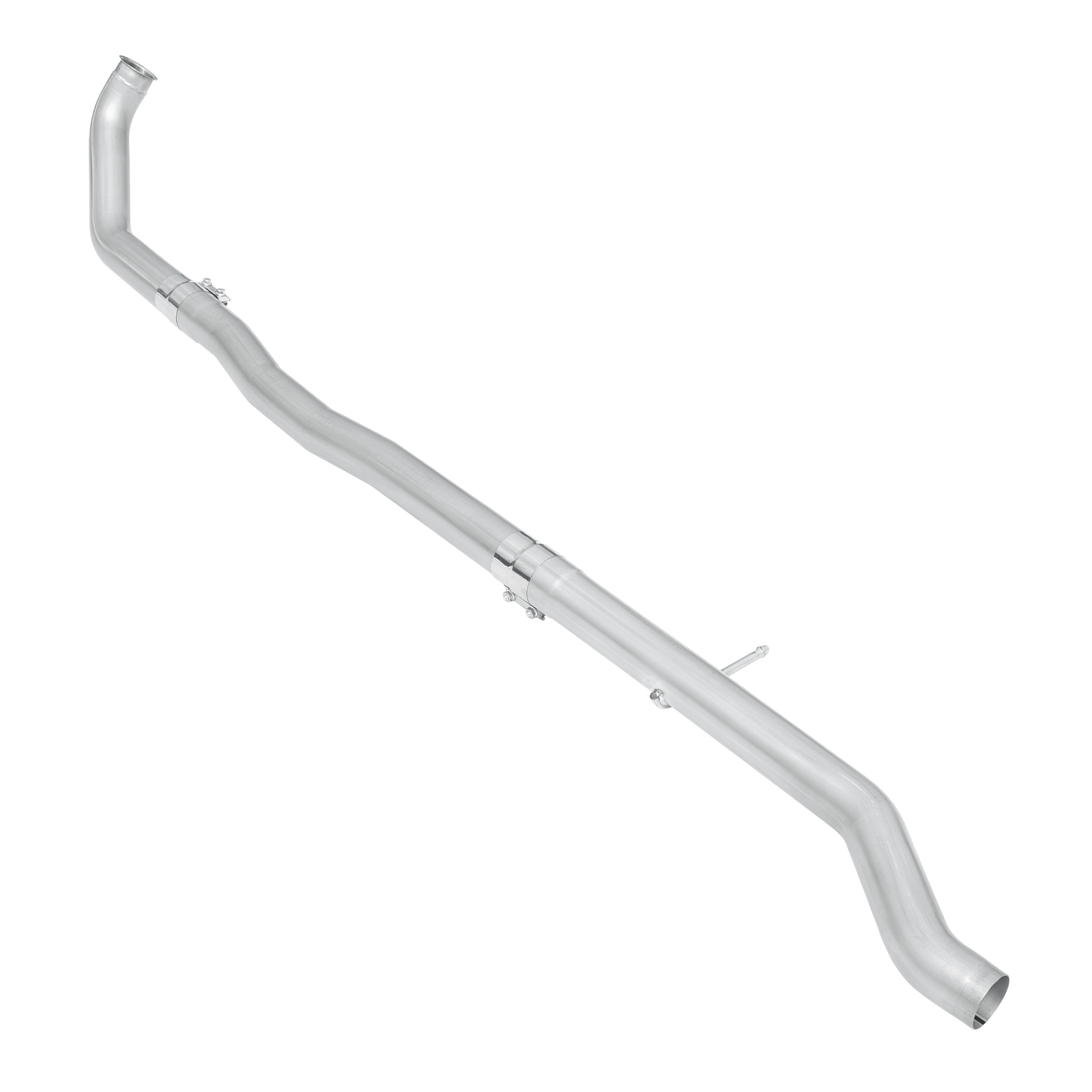
Downpipe and exhaust upgrades are better positioned as usability-focused modifications. After installing a Vigor Diesel downpipe, exhaust flow becomes smoother, towing feels more effortless, and daily driving feels easier overall. For owners looking to gradually improve the exhaust-side setup of a 2015–2016 6.7 Powerstroke, this type of upgrade can be considered on its own or paired with a DPF delete pipe to create a more complete exhaust upgrade path.
The right tuner works more like the control center of the entire upgrade setup. Compared with older fixed-program devices that offer limited flexibility, today’s buyers usually pay closer attention to factors such as tuning difficulty, the truck’s current level of modification, overall compatibility, and long-term ease of use when choosing a 6.7 Powerstroke tuner. Different owners also have different priorities—some want something simple and easy to use, while others care more about expandability and custom tuning capability.
Another key point to confirm before buying a 6.7 Powerstroke tuner is whether the device itself includes tune files. This directly affects the installation process and the overall user experience, so it is best to understand how the device works, how files are delivered, and how the setup is matched before deciding which option fits your build best.
Most owners start with exhaust-side components such as a DPF delete pipe or downpipe to improve exhaust flow first. From there, upgrades like an EGR delete kit, ccv reroute 6.7 powerstroke, or a 6.7 Powerstroke tuner can be added based on how the truck is used. This step-by-step approach works especially well for high-mileage and long-term-use trucks.
The upgrade approach for both model years is very similar. Most setups still focus on EGR, DPF, CCV, and exhaust-related upgrades. However, it is important to confirm fitment based on model year, truck configuration, and current modifications before choosing a 2015 6.7 Powerstroke delete kit or 2016 6.7 Powerstroke delete kit.
Yes. For higher-mileage trucks, many owners prioritize easier maintenance and a cleaner intake system. A ccv reroute 6.7 powerstroke helps improve intake cleanliness by reducing oil mist recirculation, making it a practical upgrade focused on long-term use rather than peak performance gains.
That depends on your overall setup and goals. If you are upgrading in stages, you can plan your hardware first. But for a more complete 6.7 Powerstroke delete setup, choosing the right 6.7 Powerstroke tuner early on can help streamline the process. Be sure to confirm whether the device includes tune files and how those files are delivered.
They can benefit both. Daily drivers typically look for better daily drivability, smoother exhaust behavior, and easier overall use. Towing-focused owners care more about consistency under towing use, reduced system restriction, and a more complete setup. Building around DPF, EGR, CCV, and downpipe upgrades helps match the setup to real-world use.




-69bd23c47de13.jpg)
-69bd23c4a3b68.jpg)
-69bd2417f33d9.jpg)