

-69bd23c47de13.jpg)
-69bd23c4a3b68.jpg)



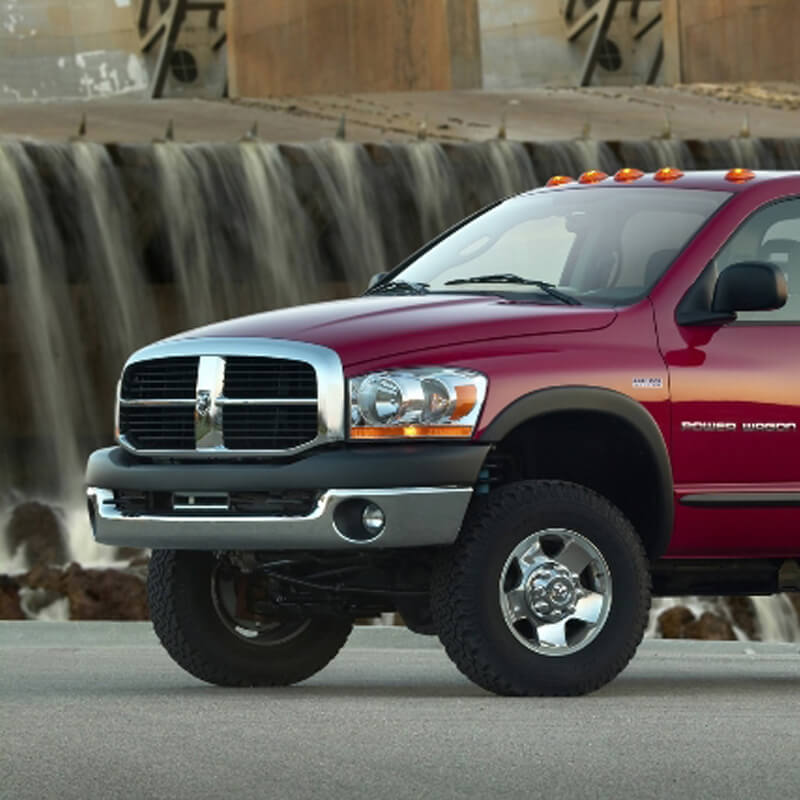
The 6.7 Cummins Turbo is a 6.7L turbocharged diesel engine developed by Cummins for heavy-duty pickup trucks. It is primarily installed in Ram 2500 and Ram 3500 Cummins Turbo Diesel models. Unlike many competing diesel engines, Cummins uses an inline-six engine layout, which generally means fewer moving parts and a simpler mechanical structure, making the engine more reliable under heavy workloads and long-term use.
Starting in 2007.5, the 6.7 Cummins Turbo became the primary diesel powertrain for Ram heavy-duty trucks, and it has continued to evolve to meet changing emissions regulations and performance demands.
Main 6.7 Cummins Turbo engine generations include:
-
2007.5–2009: The first generation 6.7 Cummins, introducing EGR and DPF emissions systems for the first time.
-
2010–2012: Improved electronic control systems, enhancing engine stability and reliability.
-
2013–2018: Increased horsepower and torque, while the emissions system became more complex.
-
2019–2024: The latest generation with stronger performance but stricter ECU control.
Thanks to its powerful turbocharged system and durable engine design, the 6.7 Cummins Turbo is not only ideal for towing and heavy-duty applications, but it has also become a popular platform for diesel performance upgrades and emissions system modifications among diesel truck owners.
Which 6.7 Cummins Years Are Best for Upgrades and Modifications?
Different model years of the 6.7 Cummins Turbo use different emission systems and ECU strategies, which means the upgrade options can vary by year. Earlier engines usually have simpler systems, while newer models have stricter electronic controls.
| Year Range | Emission System | Upgrade Difficulty | Compatible VD Products |
|---|---|---|---|
| 2007.5–2009 | EGR + DPF | Low | EGR Delete, DPF Delete, Full Delete, Tuner |
| 2010–2012 | EGR + DPF | Medium | EGR Delete, DPF Delete, CCV Reroute, Tuner |
| 2013–2018 | EGR + DPF + more complex ECU | Medium | DPF Delete, CCV Reroute, Tuner |
| 2019–2024 | EGR + DPF + DOC + stricter ECU | Higher | CCV Reroute, Tuner |
6.7 Cummins Performance Evolution: Surpassing Factory Potential
Before diving into modification strategies, it is essential to understand the baseline 6.7 cummins specs. Recognized as the industry standard for heavy-duty towing and high-torque performance, the 6.7L Cummins engine offers a massive foundation for power. However, due to factory emission restrictions, significant potential remains untapped.
6.7 Cummins Quick Stock Specs
-
Engine Type: 6.7L Inline-Six Turbo Diesel
-
Stock Horsepower: 350 – 420 hp (Varies by model year and output version)
-
Stock Torque: 650 – 1,075 lb-ft (High-output models reach the 1,000+ club)
-
Construction: Cast-iron block and head for extreme durability and high modification ceilings.
To better illustrate the impact of these upgrades, we have summarized how our modification kits enhance the baseline 6.7 cummins specs. By removing factory bottlenecks and applying precision tuning, your truck can finally reveal its true strength.
Core Modification & Performance Gain Comparison
| Upgrade Type | Hardware Changes | Tuning Requirements | Estimated Gains | Primary Benefits |
|---|---|---|---|---|
| 6. 7 Cummins EGR Delete | Removes the Exhaust Gas Recirculation system. | Required: Matching Tune | +15-20 hp | Lowers intake temps, sharpens throttle response, and prevents carbon buildup. |
| 6. 7 Cummins DPF Delete | Removes the Diesel Particulate Filter. | Required: 6.7 cummins tuner with deletes | +25-40 hp | Eliminates exhaust backpressure, reduces turbo strain, and linearizes power delivery. |
| 6. 7 Cummins CCV Reroute | Redirects Crankcase Ventilation. | No specific tune required | Reliability Boost | Prevents oil vapor from entering the turbo/intercooler, keeping the engine clean. |
| 6. 7 Cummins Full Delete Kit | Complete removal of restrictive hardware. | Core: Multi-stage Performance Tuning | +60-120 hp +150-250 lb-ft | Ultimate Upgrade: Drastic towing gains, zero turbo lag, and optimized fuel efficiency. |
Why Choose VD Products for Your Upgrade?
These modifications do more than just optimize 6.7 cummins specs on paper; they fundamentally transform the driving experience:
-
Effortless Heavy-Duty Towing: The massive torque increase allows your truck to handle steep inclines and heavy trailers with ease.
-
Improved Engine "Breathing": By removing DPF and EGR restrictions, Exhaust Gas Temperatures (EGT) are significantly lowered, protecting core components from heat stress.
-
Instant Power Response: Optimized exhaust flow paired with precision Tuner settings eliminates factory turbo lag, providing a smoother and more responsive drive.
Technical Tips:
System Synergy: For 2007.5+ models, removing hardware without a Tuner to recalibrate the ECU will trigger "Limp Mode" and diagnostic trouble codes.
Compliance Notice: Please note that Delete-related modifications are intended for off-road or sanctioned racing use only.
Daily Maintenance(6.7 Cummins Turbo)
After upgrading a 6.7 Cummins Turbo Diesel, careful maintenance is key. Here are some practical intervals:
-
Engine Oil and Filters
-
Change oil and oil filter every 5,000–7,500 miles (8,000–12,000 km) or 6 months, depending on usage intensity.
-
Check/replace CCV filter every 15,000 miles (24,000 km), especially for vehicles with Full Delete or CCV Reroute.
-
-
Turbo System
-
Inspect turbo blades and oil lines every 20,000–25,000 miles (32,000–40,000 km), or after long periods of towing/heavy loads.
-
If turbo oil temperature stays above 120°C for extended periods, shorten inspection intervals.
-
-
Exhaust System
-
Check pipes and mounts every 10,000 miles (16,000 km) to ensure connections are tight and leak-free.
-
-
ECU Tuning
-
After any upgrade or tuning, do a first check after 500–1,000 miles (800–1,600 km) to monitor engine response and fault codes.
-
-
Common Fault Codes
-
Post-modification, codes like P003A, U010C, P2262 may appear and are often normal.
-
If you notice power loss or unusual fuel consumption, inspect the related sensors and ECU tuning immediately.
-
In short, a modified 6.7 Cummins Turbo Diesel delivers stronger performance, but regular maintenance—especially oil, turbo, and exhaust checks—is essential for reliability.