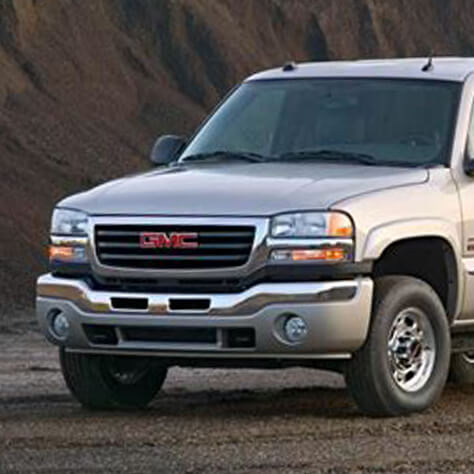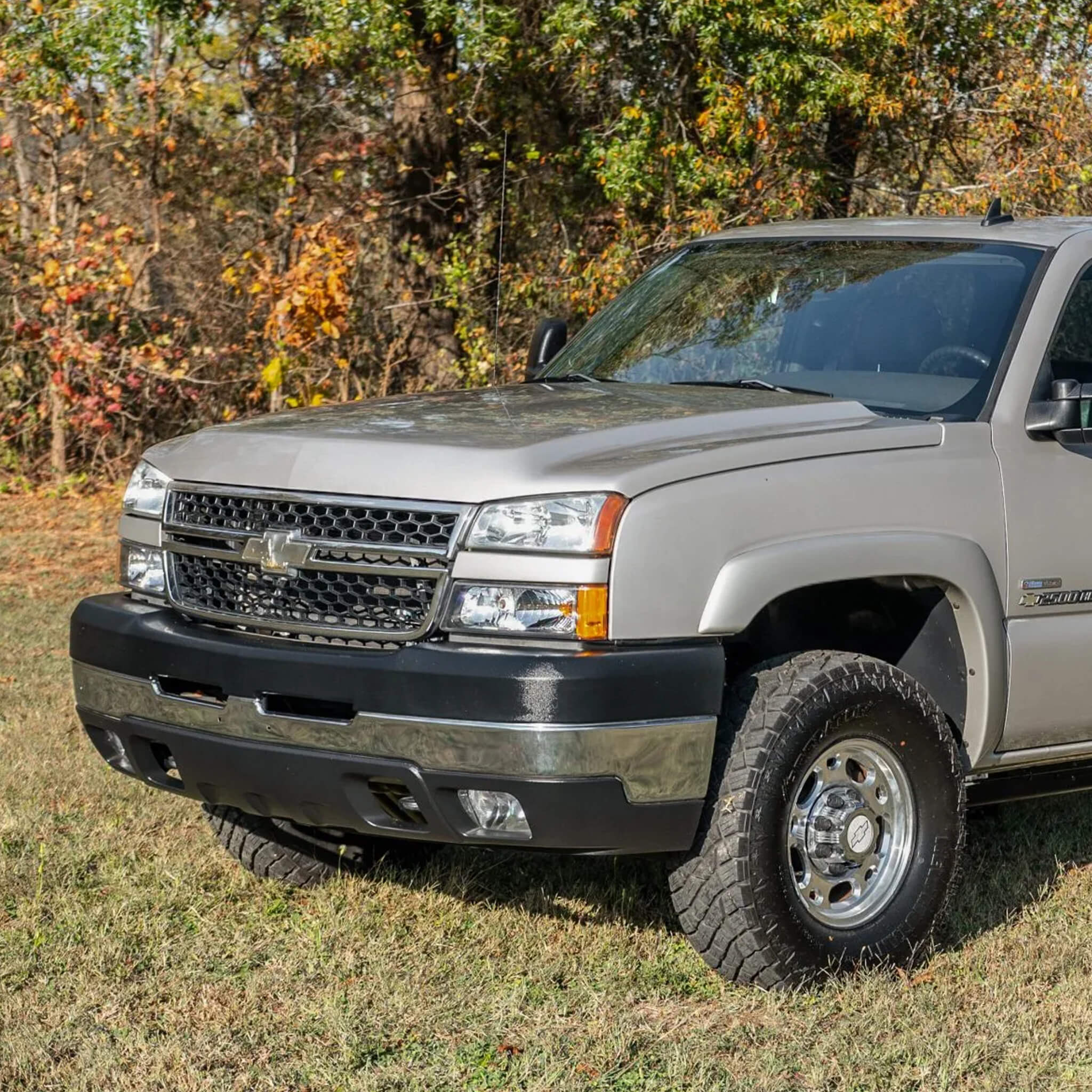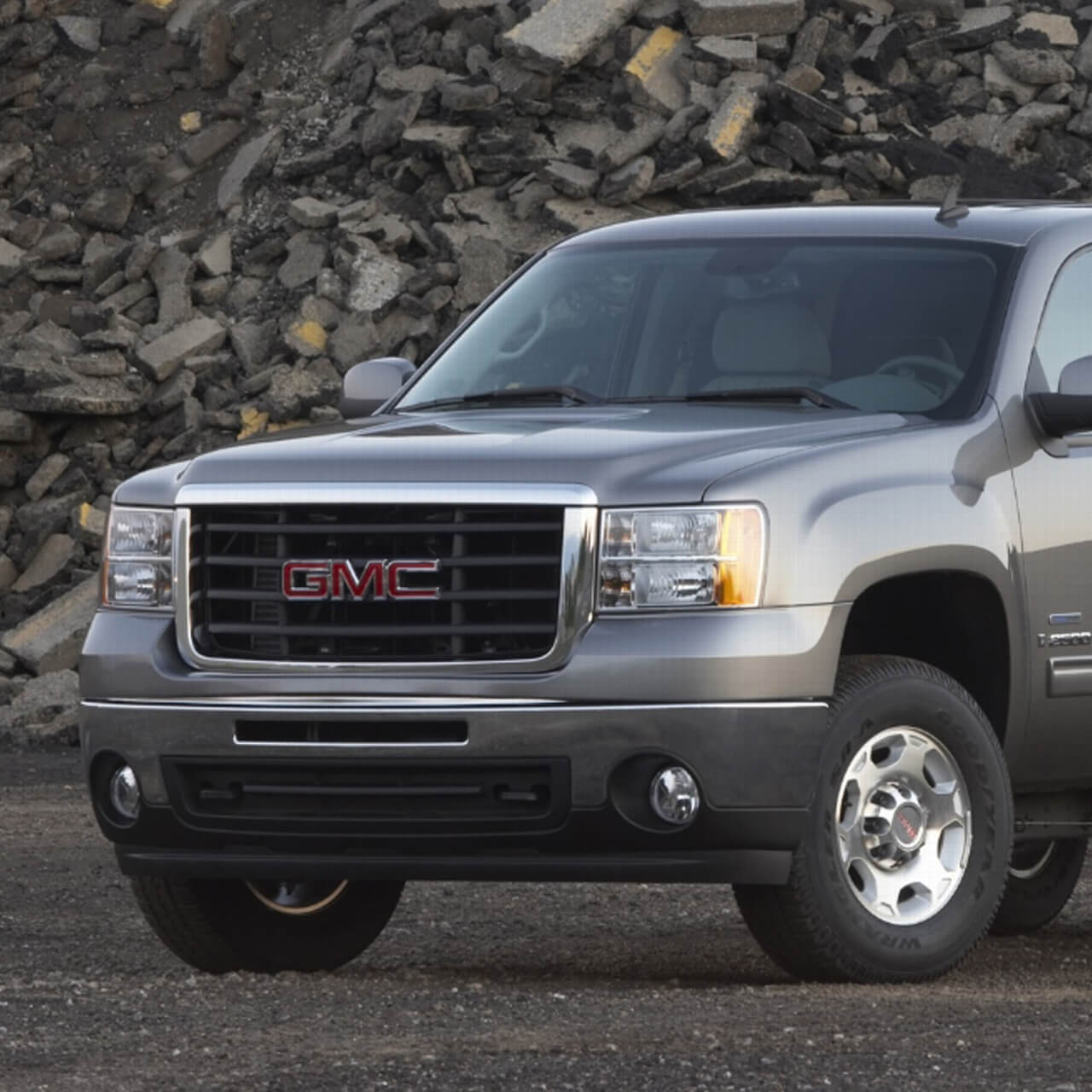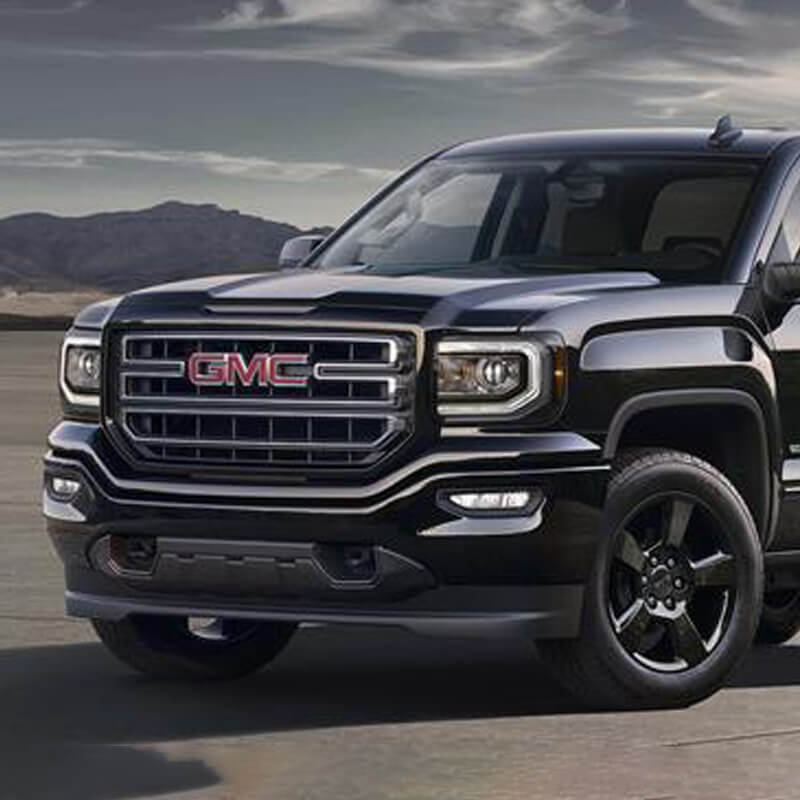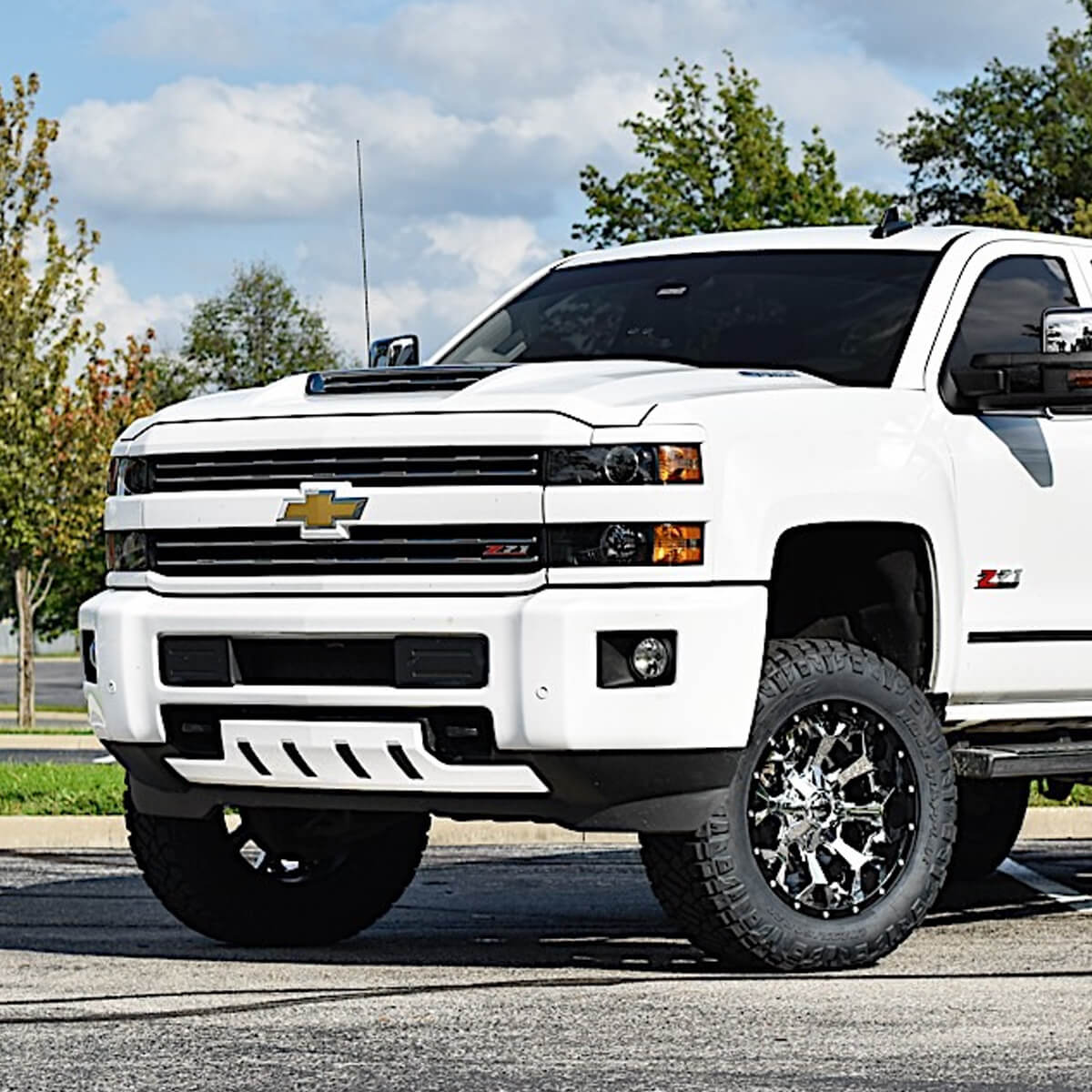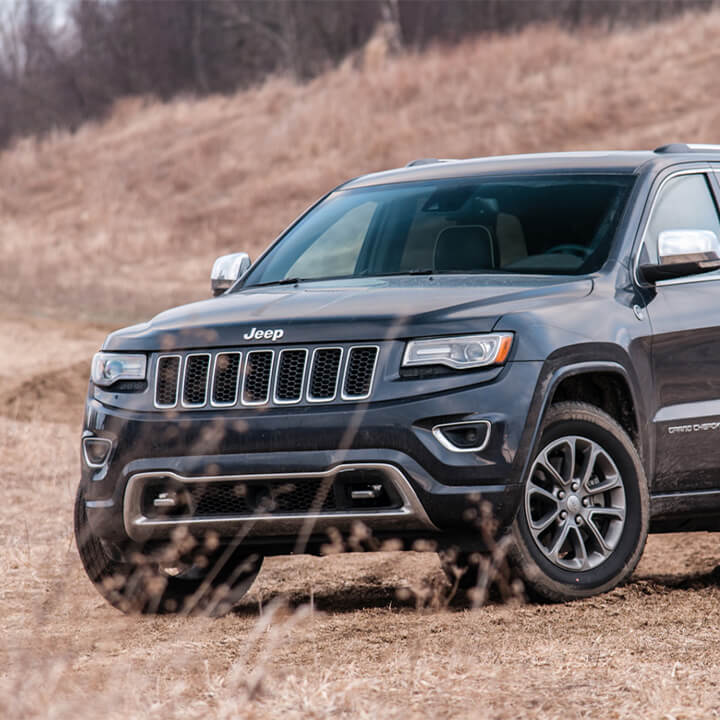

Vigor Diesel offers a full range of EGR delete kits for mainstream diesel engine platforms, including Powerstroke, Cummins, Duramax, and EcoDiesel engines. Each component is crafted from premium 409 stainless steel and precision-machined to ensure long-term reliability and stable operation.
Replacing outdated, limiting components with durable parts helps you achieve smoother, more stable performance. Shop at Vigor Diesel and enjoy free shipping within the US, a 45-day no-questions-asked return policy, and dedicated support.
 Check if this fits your vehicle
 Shopping for your {{ item.vehicle.year }} {{ item.vehicle.make }} {{ item.vehicle.model }} {{ item.vehicle.submodel }} {{ item.vehicle.engine }} {{ item.vehicle.trim }}
If This Fit Your {{ item.vehicle.make }} {{ item.vehicle.model }}
Shopping for your {{ item.vehicle.year }} {{ item.vehicle.make }} {{ item.vehicle.model }} {{ item.vehicle.submodel }} {{ item.vehicle.engine }} {{ item.vehicle.trim }}
If This Fit Your {{ item.vehicle.make }} {{ item.vehicle.model }}
 Doesn't fit {{ item.vehicle.year }} {{ item.vehicle.make }} {{ item.vehicle.model }} {{ item.vehicle.submodel }} {{ item.vehicle.engine }} {{ item.vehicle.trim }}
Universal Fit
Doesn't fit {{ item.vehicle.year }} {{ item.vehicle.make }} {{ item.vehicle.model }} {{ item.vehicle.submodel }} {{ item.vehicle.engine }} {{ item.vehicle.trim }}
Universal Fit
Finding the right EGR Delete Kit is easiest when you shop by your specific diesel engine platform. Because fitment, hardware, and installation vary between applications, selecting your engine type first ensures you find the exact match for your vehicle.
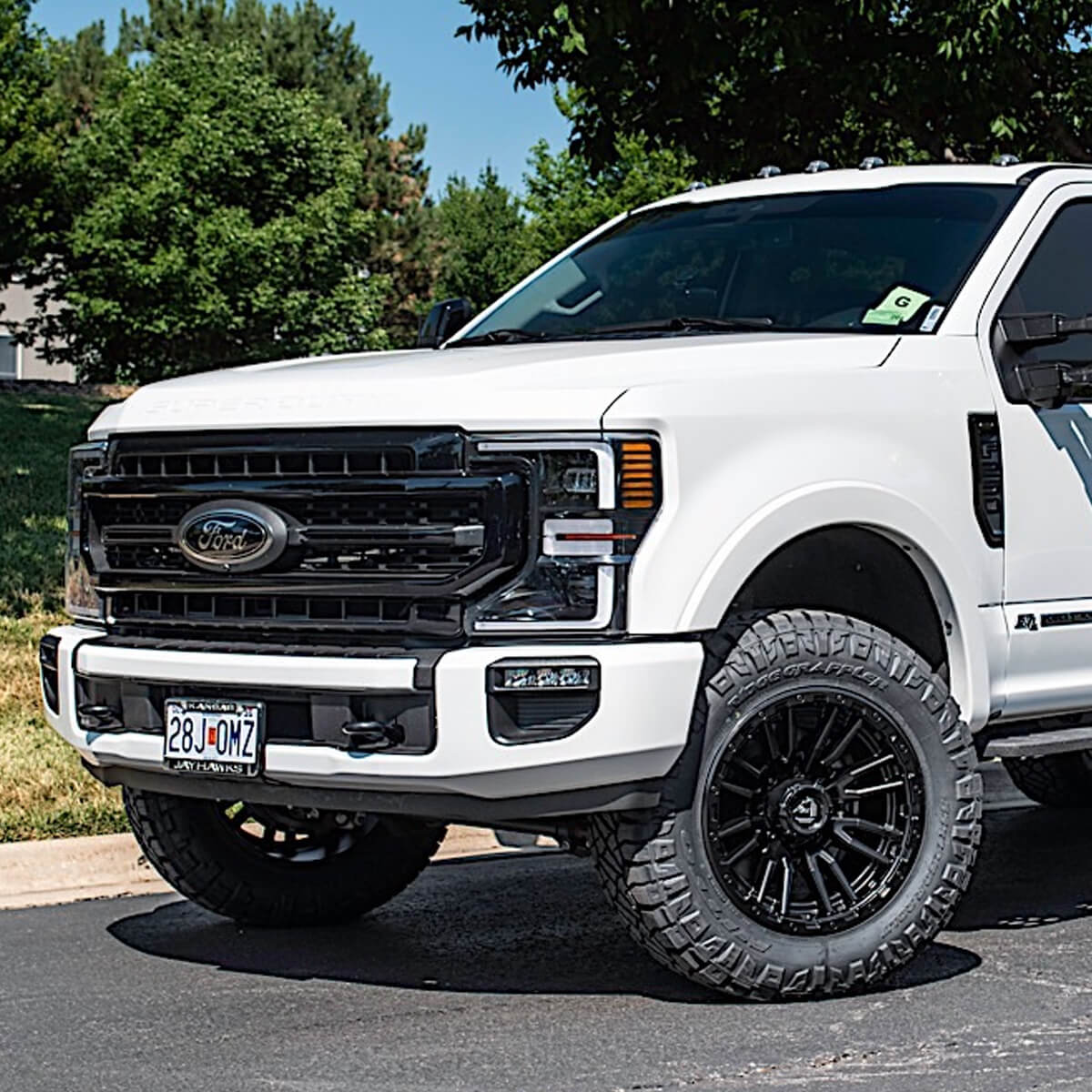
The Powerstroke platform requires specific kits for each generation. Choose your displacement to find the right performance solution:
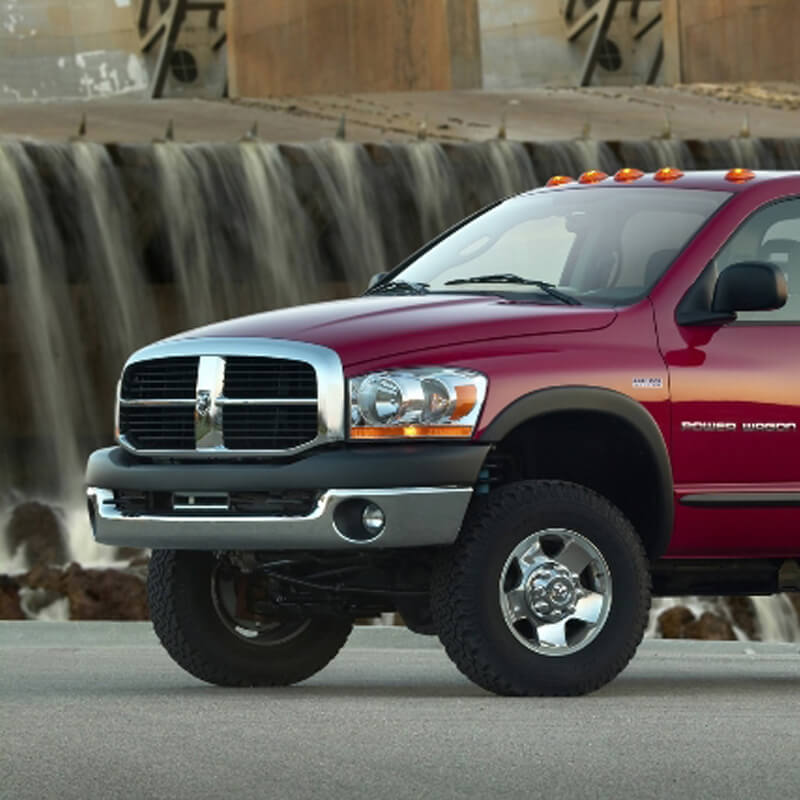
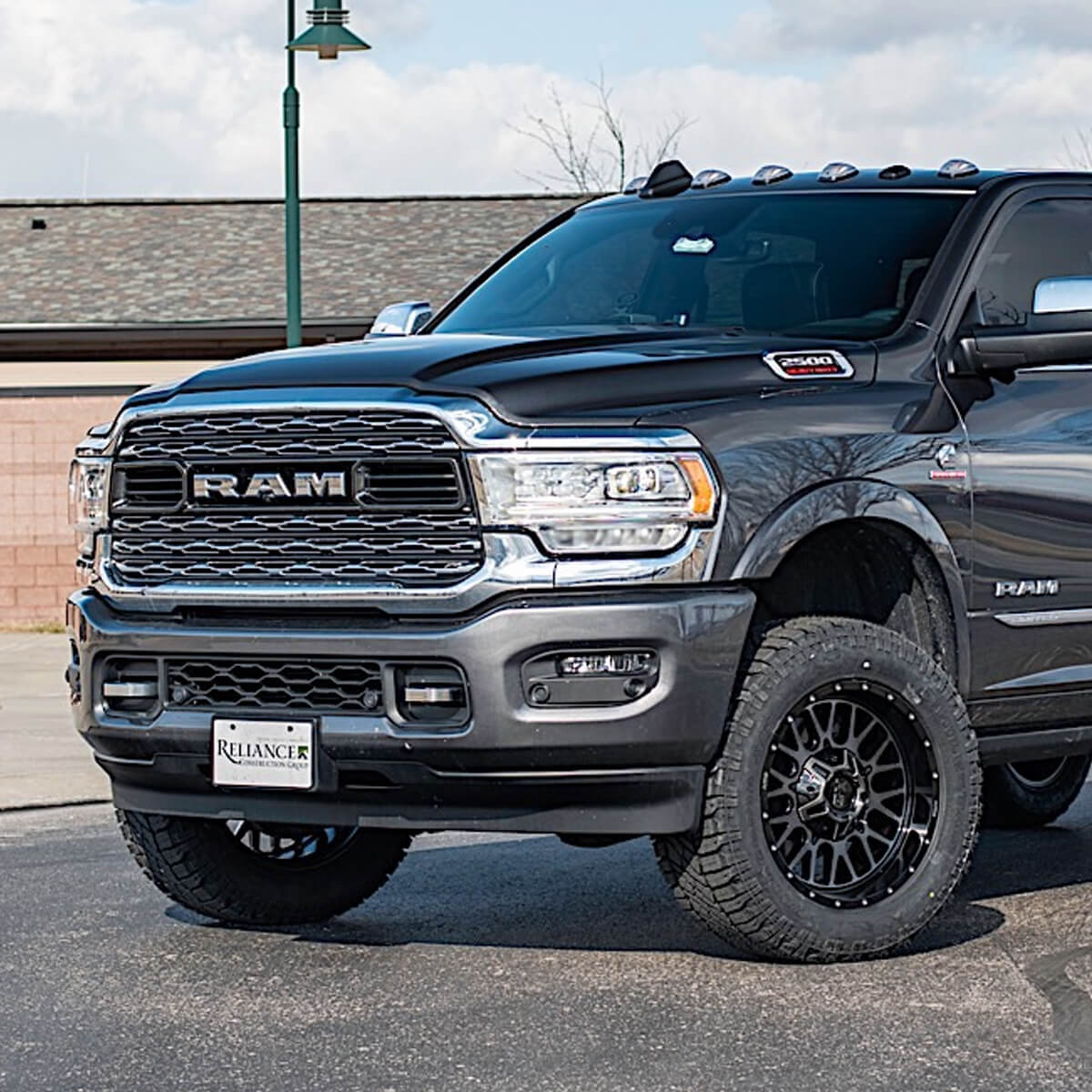
Ensure a precise fit for your Ram truck by selecting the industry-standard 6.7L Cummins platform:
Duramax kits are organized by engine codes. Select your specific generation for guaranteed fitment:
Focused performance solutions for light-duty diesel platforms:
An EGR Delete Kit is a performance hardware upgrade designed to remove or bypass the Exhaust Gas Recirculation (EGR) system on diesel engines.
For most diesel owners, an EGR Delete is not just about modding. It is about solving one of the most common factory-related problem areas in a diesel truck. Over time, the stock EGR system sends hot, soot-heavy exhaust and oil vapors back through the intake system. That cycle can lead to carbon buildup, restricted airflow, added strain on the intake system, and reduced overall engine efficiency.
Most diesel enthusiasts looking for an this kit are usually trying to achieve a few practical goals:
Reduce Soot Buildup
Stopping exhaust recirculation helps the engine take in cleaner, oxygen-rich air. This can help reduce soot buildup inside the intake manifold and related components.
Lower Long-Term Maintenance Risk
One of the biggest reasons diesel owners consider an EGR Delete is to reduce the risk of common EGR-related failures, including issues tied to the factory EGR cooler and other heat-stressed components.
Improve Overall Efficiency
By reducing restriction and heat load in the system, many owners look to improve drivability, support more stable operating temperatures, and in some cases see gains in fuel economy.
Not every this upgrade is built the same. Depending on the engine platform, hardware layout, and level of modification, EGR delete solutions generally fall into three main categories.
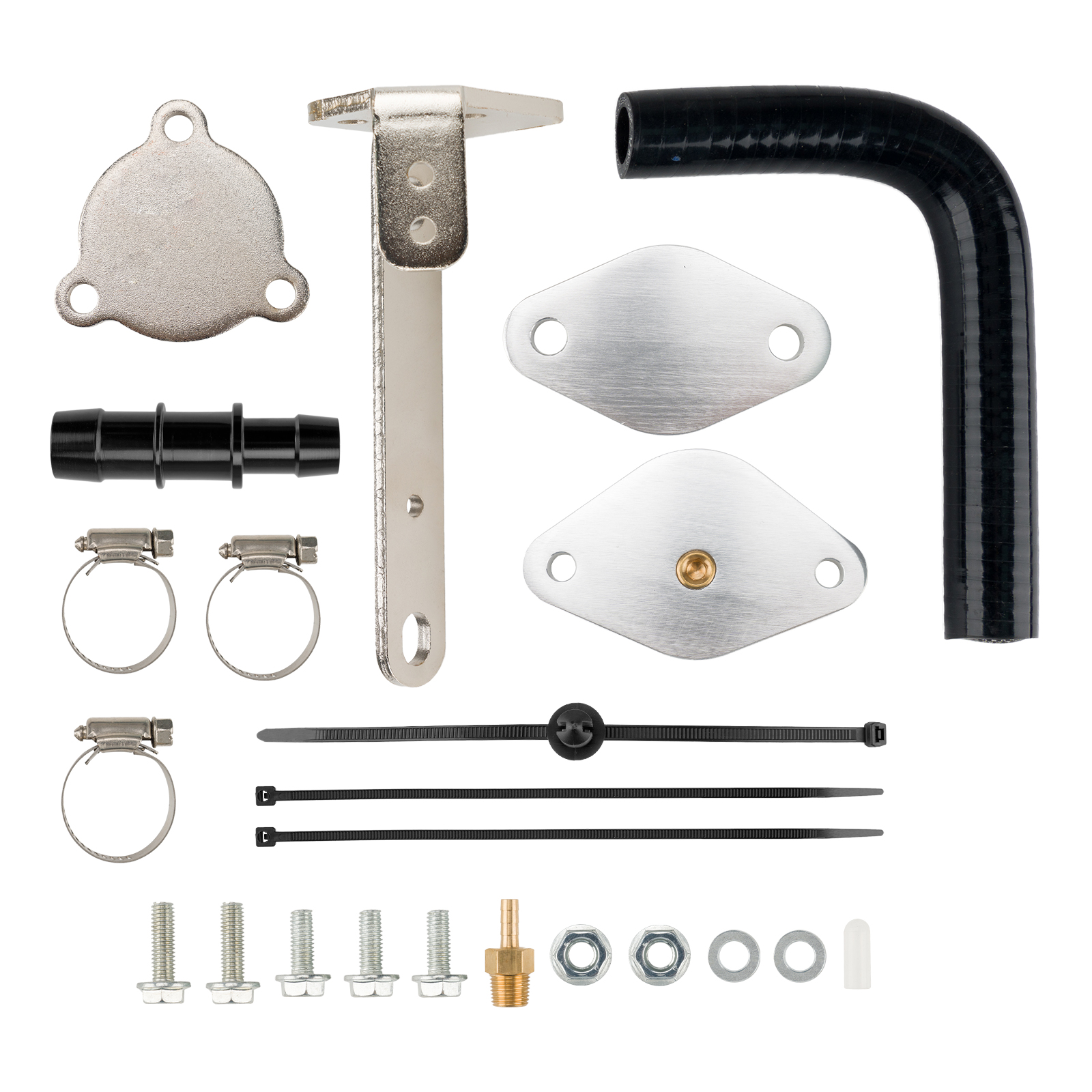
What it is: A simple setup using high-strength metal plates to block off the EGR ports.
How it works: This is the most basic way to stop exhaust flow from cycling back into the intake system.
Why some owners choose it: It is usually the most budget-friendly option and works well for more basic applications.
What to keep in mind: While it stops exhaust flow, the factory EGR cooler generally remains in the engine bay.
What it is: A more complete solution that removes the factory EGR valve and EGR cooler.
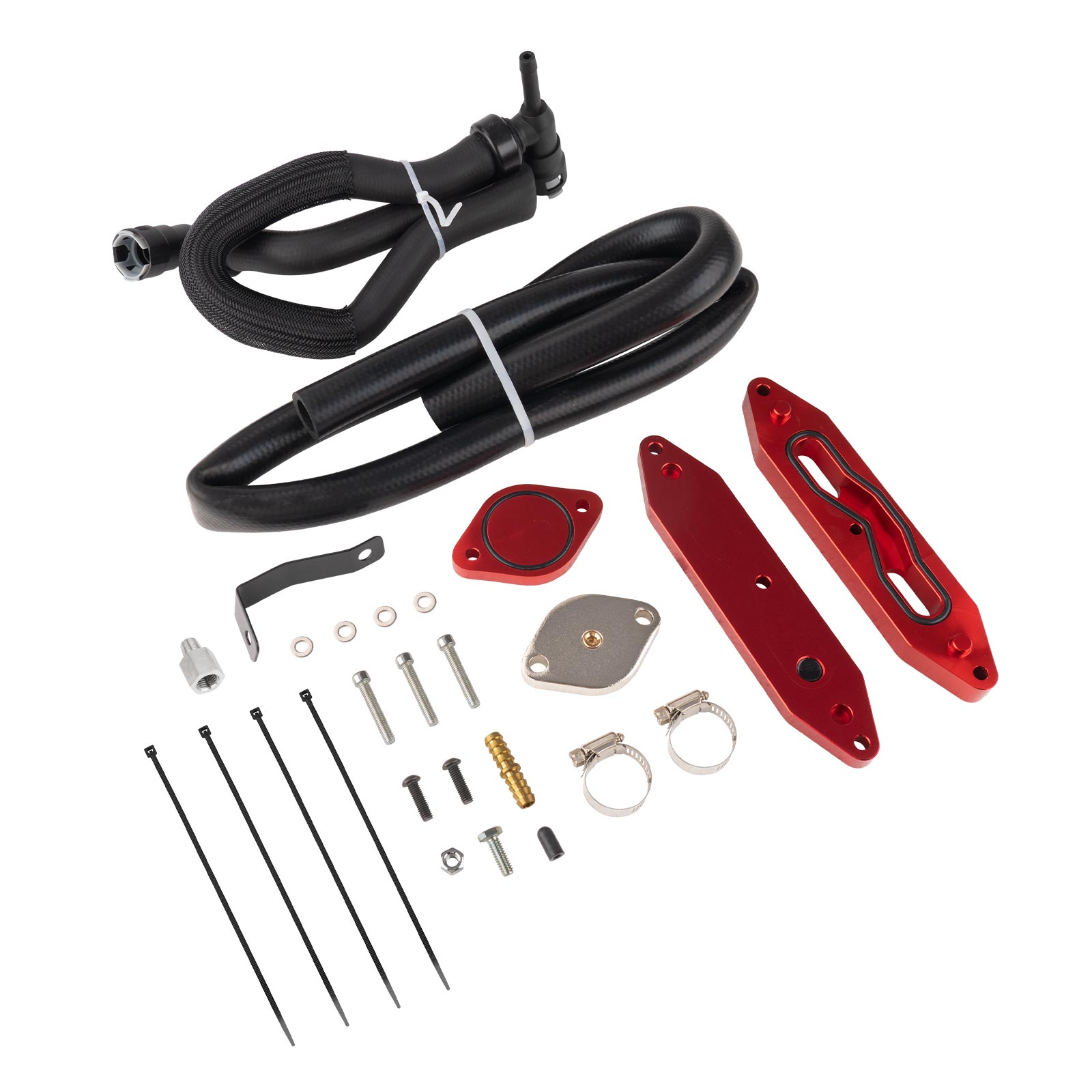
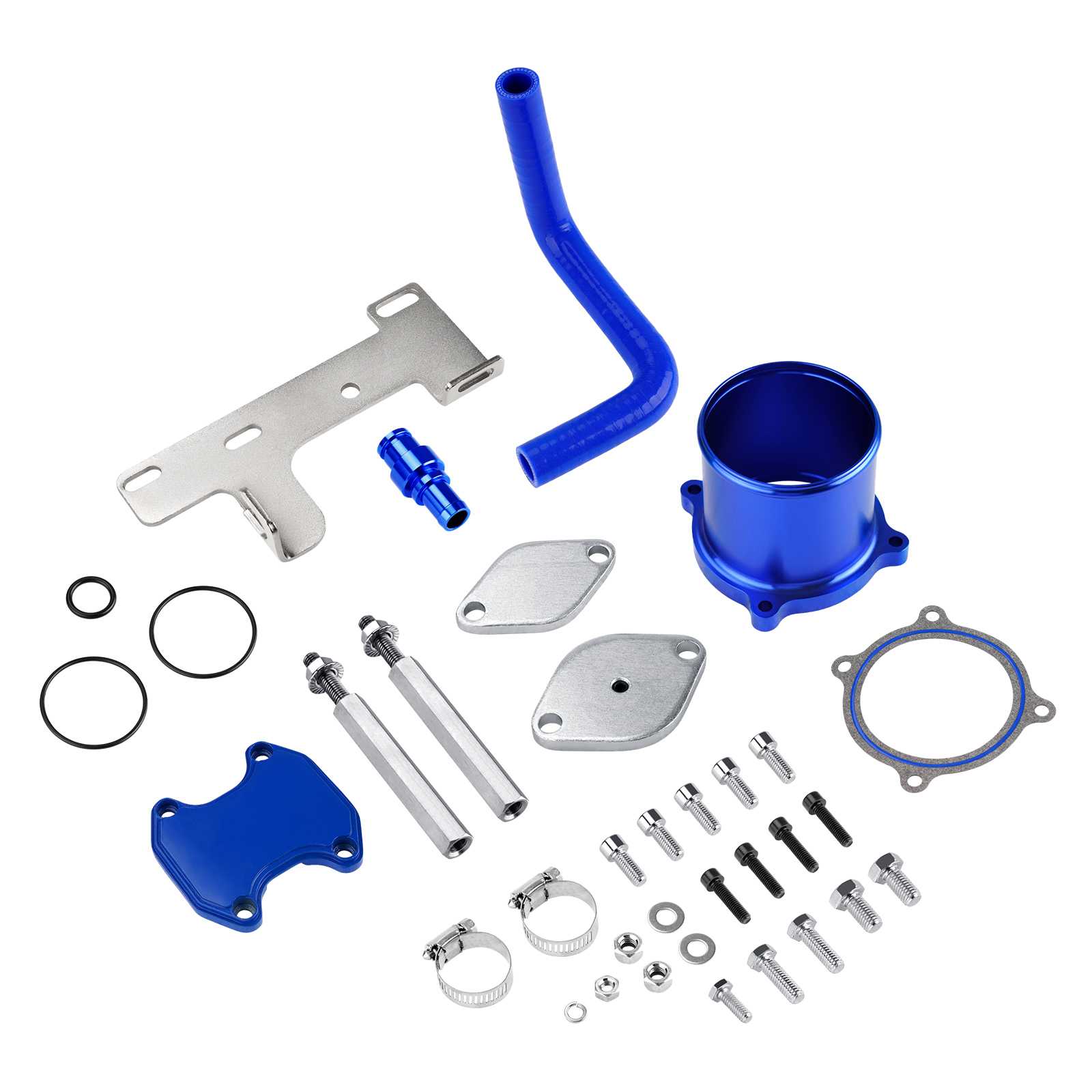
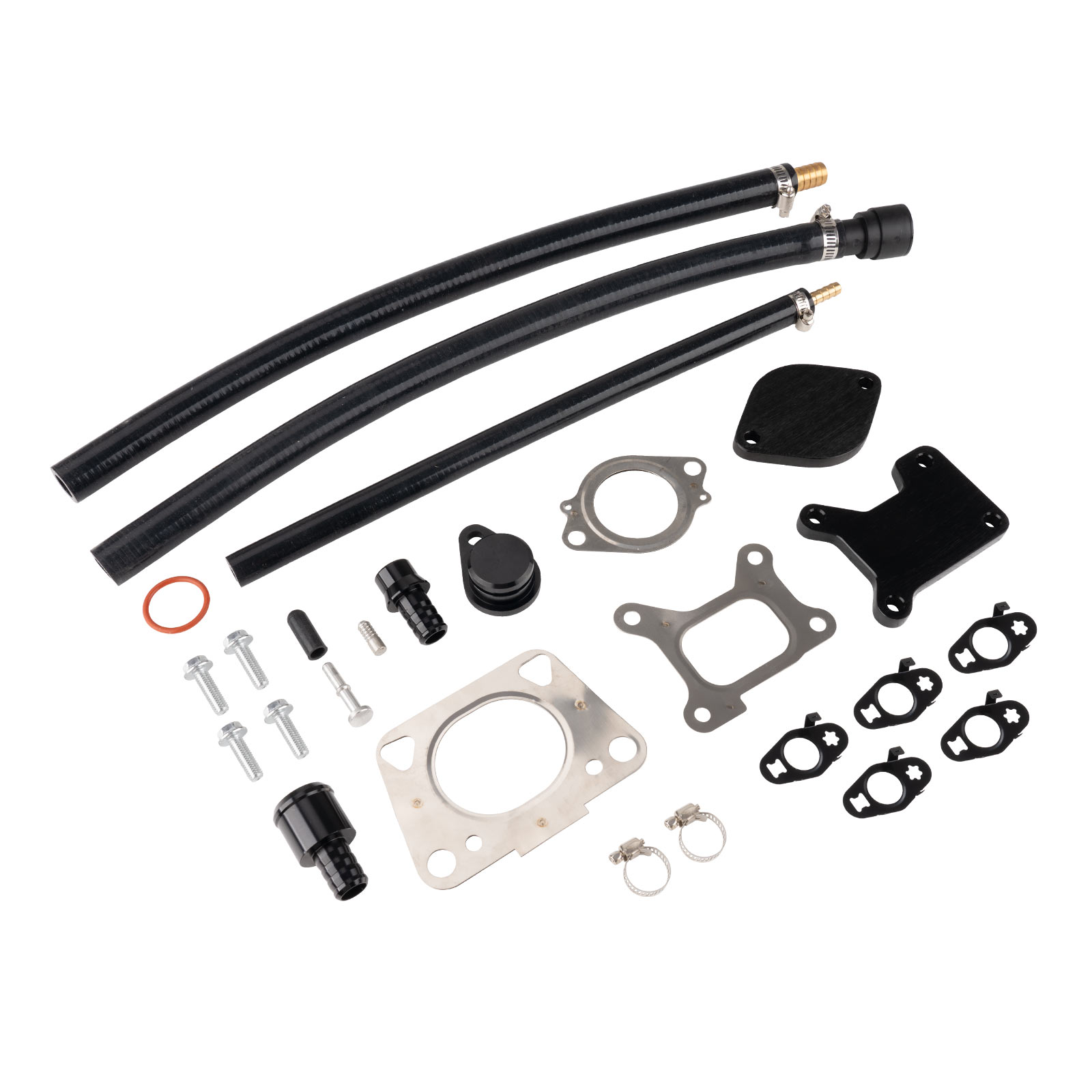
What it usually includes:
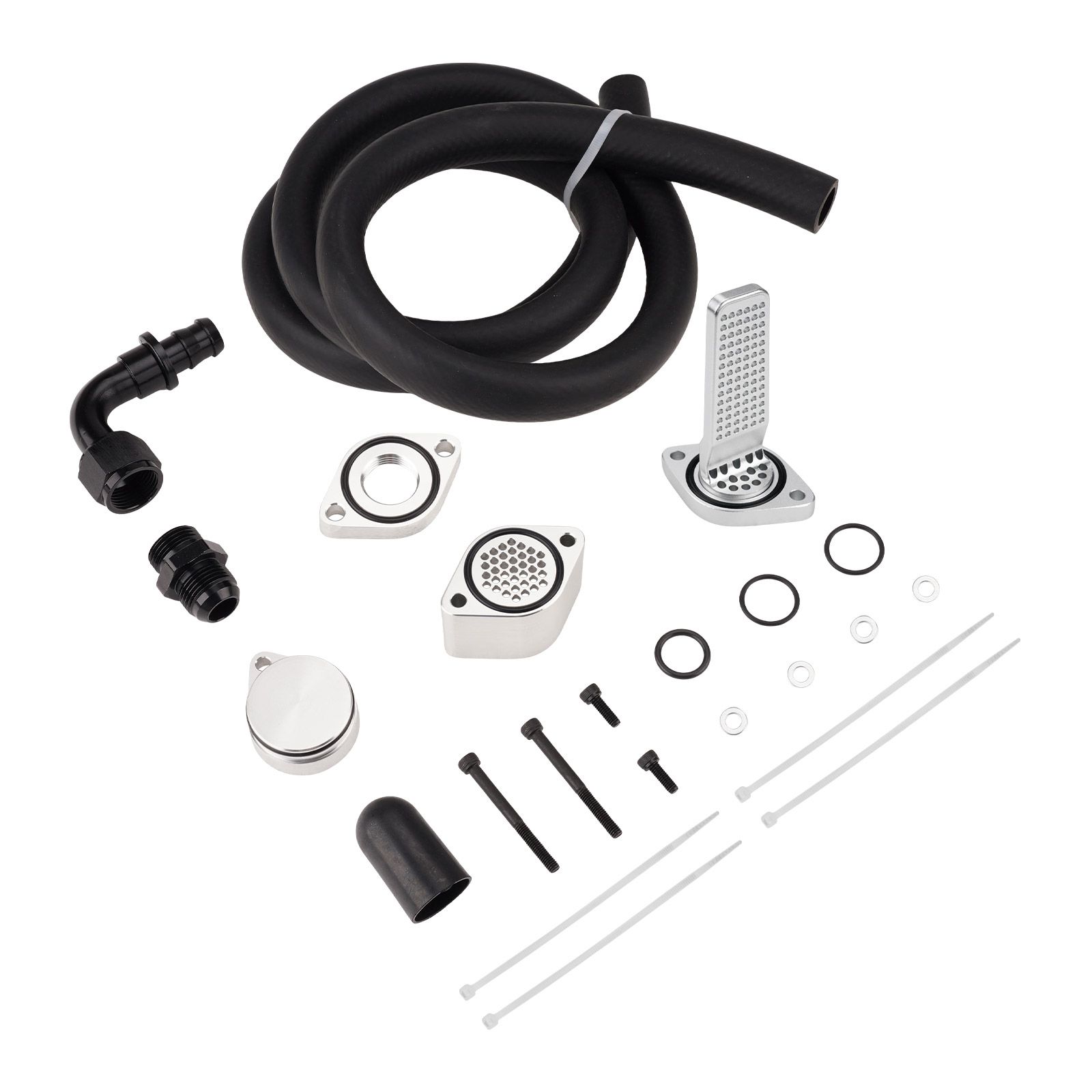
Block-off plates
High-flow stainless steel tubing
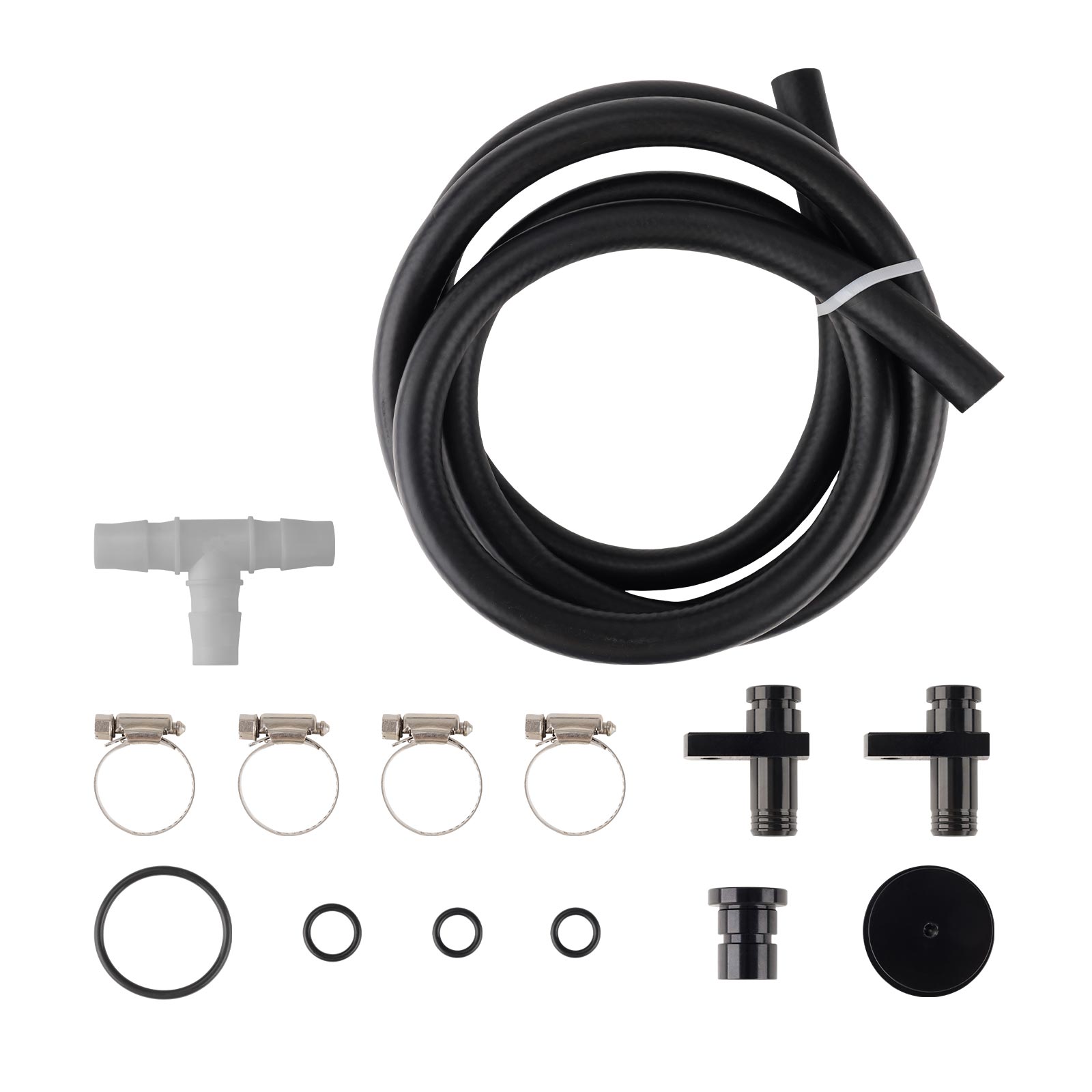
Coolant reroute components
Mounting hardware and related fittings
Why it is popular: This is the most common choice for diesel owners looking for a more complete setup. It helps reduce engine bay clutter and removes more of the original EGR hardware from the system.
What it is: A more advanced setup designed for newer or more complex diesel applications.
How it is different: These kits are often built with more specialized hardware, such as precision-machined bypass components, upgraded hoses, and platform-specific fittings.
Best suited for: Higher-performance builds, heavy towing applications, or diesel owners who want a more complete and heavy-duty solution for demanding conditions.
Even though the goal of an the system is similar across diesel applications, the hardware can vary significantly from one platform to another.
That is because each diesel engine family uses a different layout, different mounting points, different clearance requirements, and different supporting components. As a result, an EGR Delete Kit for a 6.0 Powerstroke will not be built the same way as one for a 6.7 Cummins or a Duramax application.
These platform differences usually affect:
Some engines require only basic block-off components, while others need specialized brackets, coolant reroute parts, sensor provisions, or more complex tubing layouts.
Because kit design varies by platform, pricing can vary as well. Basic plate-style kits may start around $45, while more complete or higher-performance kits for later-model diesel platforms may run closer to $150 to $180.
Older platforms may use more straightforward layouts, while newer engines often require more compact, precise, and application-specific components.
Picking the right kit isn’t just about hunting for the lowest price—it’s about matching the hardware to your engine’s specific architecture and your long-term goals. If you grab the wrong kit, you’re looking at fitment nightmares or, even worse, nasty coolant leaks down the road.
To get it right the first time, follow this three-step logic used by diesel pros.
This is the foundation of your build. Even though they all share the same name, the systems for Powerstroke, Cummins, and Duramax are built entirely differently.
Pro Tip:
If you aren't 100% sure what's under your hood, check your VIN or the emissions sticker on the cooling shroud before you pull the trigger.
Manufacturers love to tweak EGR layouts mid-generation, so "close enough" doesn't work here.
You must shop by engine code (e.g., LML vs. L5P). A 2016 and 2017 might look identical on the outside, but the EGR plumbing is a totally different beast.
This platform saw major revisions in 2015 and 2020. Make sure your kit specifically lists your exact model year to ensure the brackets and sensors line up.
These systems are straightforward "bulletproofing" staples. Just decide if you need the basic delete or a full kit with upgraded hardware.
This decision comes down to your budget and how much engine bay clutter you want to eliminate.
Perfect for owners on a tight budget who just want to stop the soot cycle immediately. These "cap" the system off, but that bulky, heavy factory EGR cooler stays bolted to your engine, taking up space and leaving the risk of a future cooler leak on the table.
This is the go-to for most enthusiasts. You yank the entire EGR cooler assembly out of the truck. Not only does this free up a ton of room for wrenching, but it also cuts weight and completely kills the risk of a "hidden" coolant leak ever trashing your engine.
If you’re pushing high-boost tunes or towing heavy through the mountains, go with a bypass kit. These are engineered for high-torque 6.7L platforms and optimize coolant flow to keep your temps in check even when the factory hardware is gone.
Most guys in the community focus on these platforms because they see the biggest "bang for the buck" after a delete.
It’s all about longevity and preventing a catastrophic "meltdown."
Focused on clearing out a soot-choked intake manifold to let the engine breathe.
Critical for bypassing complex, failure-prone emissions sensors that love to throw "Limp Mode" codes.
When shopping for an EGR Delete Kit, it’s easy to get hyper-focused on the price tag. But seasoned diesel owners know the real math involves kit completeness, material grade, and long-term reliability.
At Vigor Diesel (VD), we don't just sell parts—we provide a permanent fix to factory flaws. Here is how we stack up against the rest of the market.
A cheap, “no-name” kit might save you $20 today, but it could cost you a $5,000 engine rebuild tomorrow if a low-grade flange leaks or a cheap hose bursts under pressure.
Strategic Pricing (Budget-friendly to high-end professional setups)
We offer a tiered selection. Whether you need a budget-friendly block-off plate or a high-end, CNC-machined full bypass system for a late-model 6.7L, our pricing scales with the complexity of the hardware—not just a flat markup.
Premium Materials
We use heavy-duty 304/409 stainless steel and high-temp silicone hoses. Our kits are built to handle the extreme heat and vibration of a deleted diesel, ensuring you do it once, and do it right.
If you're wondering why one kit is $50 and another is $150, it usually comes down to “the full picture.”
Hardware Completeness
Our mid-to-high tier kits aren't just “pipes.” They are turn-key solutions. We include gaskets, brackets, and zinc-plated hardware that cheap kits often leave out—saving you three trips to the hardware store mid-install.
Engineering Precision
As engines get newer (like the L5P Duramax or 2020+ Powerstroke), tolerances get tighter. VD kits feature laser-cut flanges and mandrel-bent tubing to ensure a factory-like fit without the factory-induced headaches.
Keeping your stock EGR system isn't “free”—it’s often a ticking time bomb of maintenance costs.
The “Stock” Tax
Constant carbon cleaning
Replacing failed EGR coolers
Dealing with “Limp Mode” sensor issues
The VD Move
A one-time investment in a delete kit stops the soot cycle permanently. You’re trading recurring repair bills for:
A cleaner engine bay
Lower EGTs
Better MPG
In a crowded market, VD stands out by focusing on what actually matters to the guy holding a wrench.
Platform-Specific Accuracy
We don’t sell “universal” junk. Our kits are engineered for specific engine codes (LB7, LML, 6.7L, etc.), ensuring a guaranteed fit every time.
Instant Savings
We offer 15% OFF for new customers (Code: NEWVD) plus Free Shipping to the Lower 48. When you do the math, VD consistently delivers the best bang for the buck in the industry.
Real Support
Diesel installs can be tough. Our team understands diesel platforms, so you get the right parts—and the peace of mind—you need.
A professional diesel build rarely stops at the EGR system. To achieve maximum reliability and performance, most enthusiasts treat the EGR delete as one piece of a larger puzzle. Here are the complementary components most commonly paired with an EGR Delete Kit:
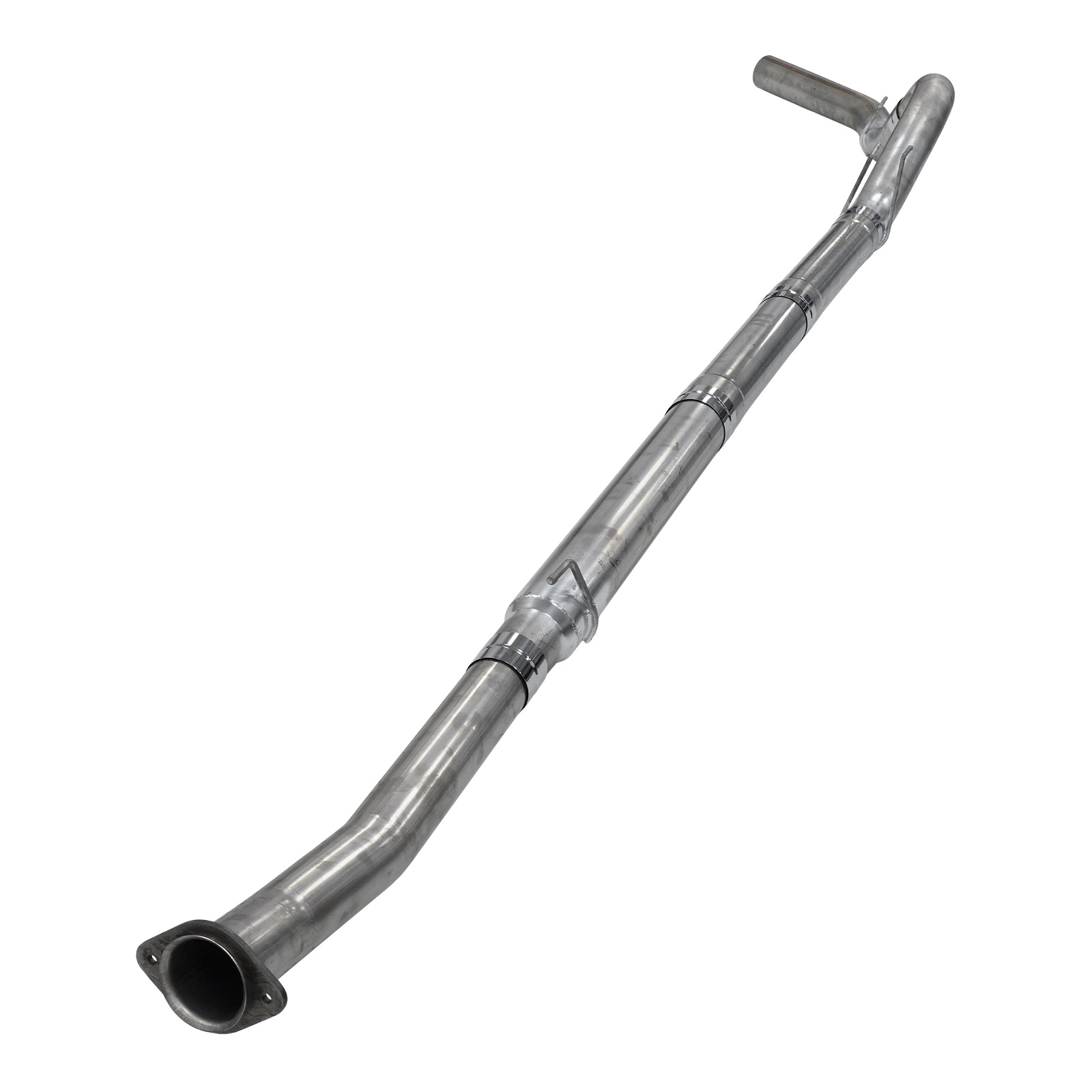
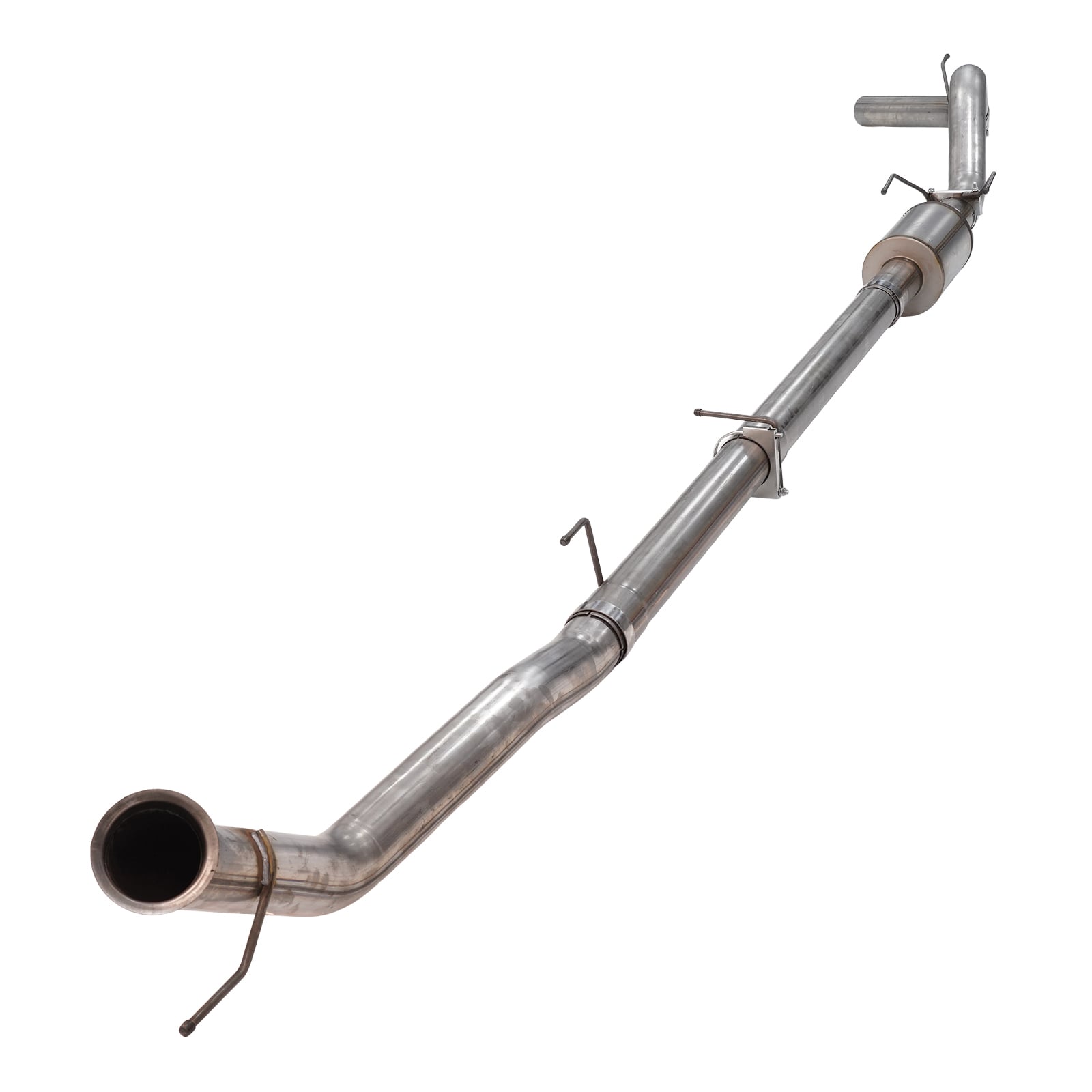
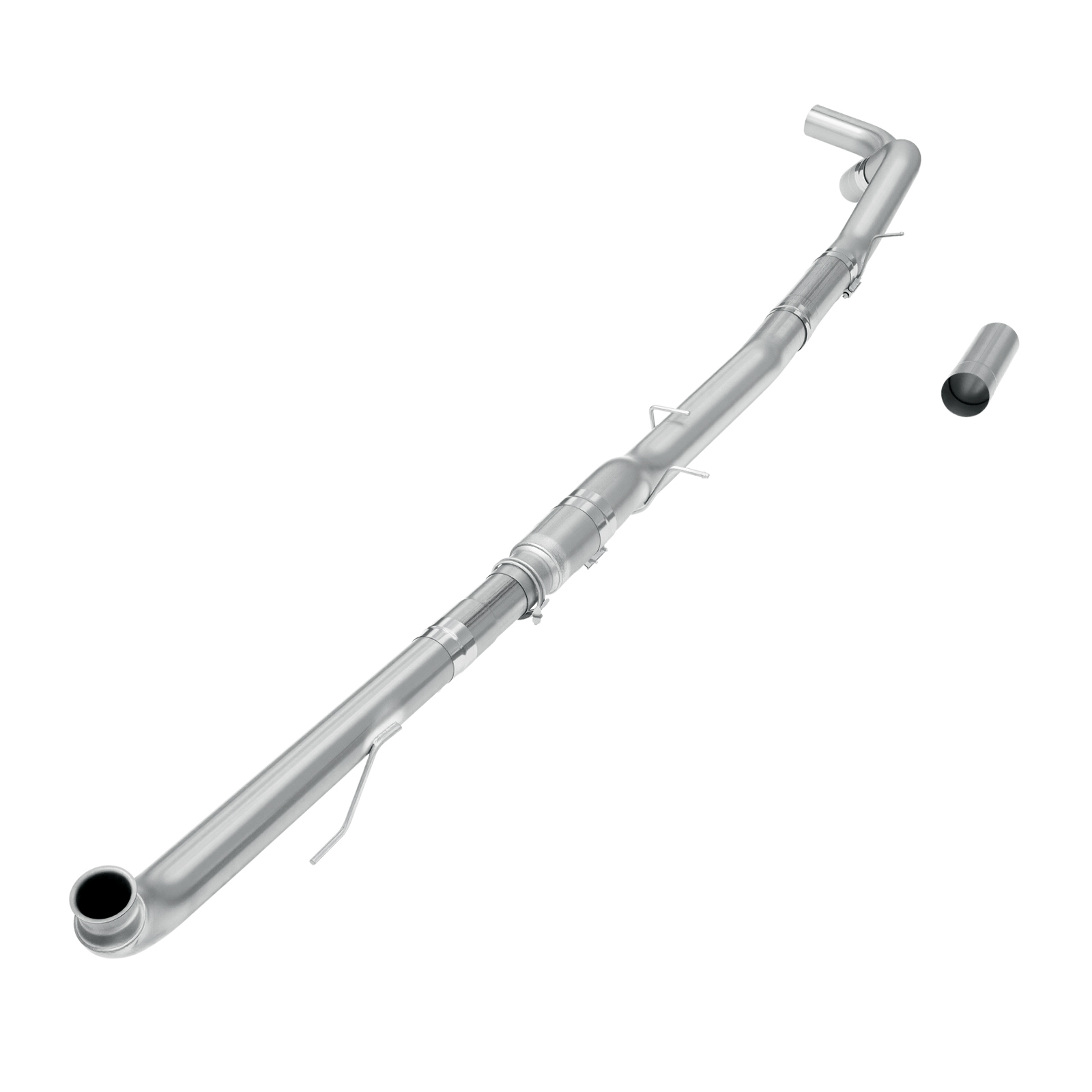
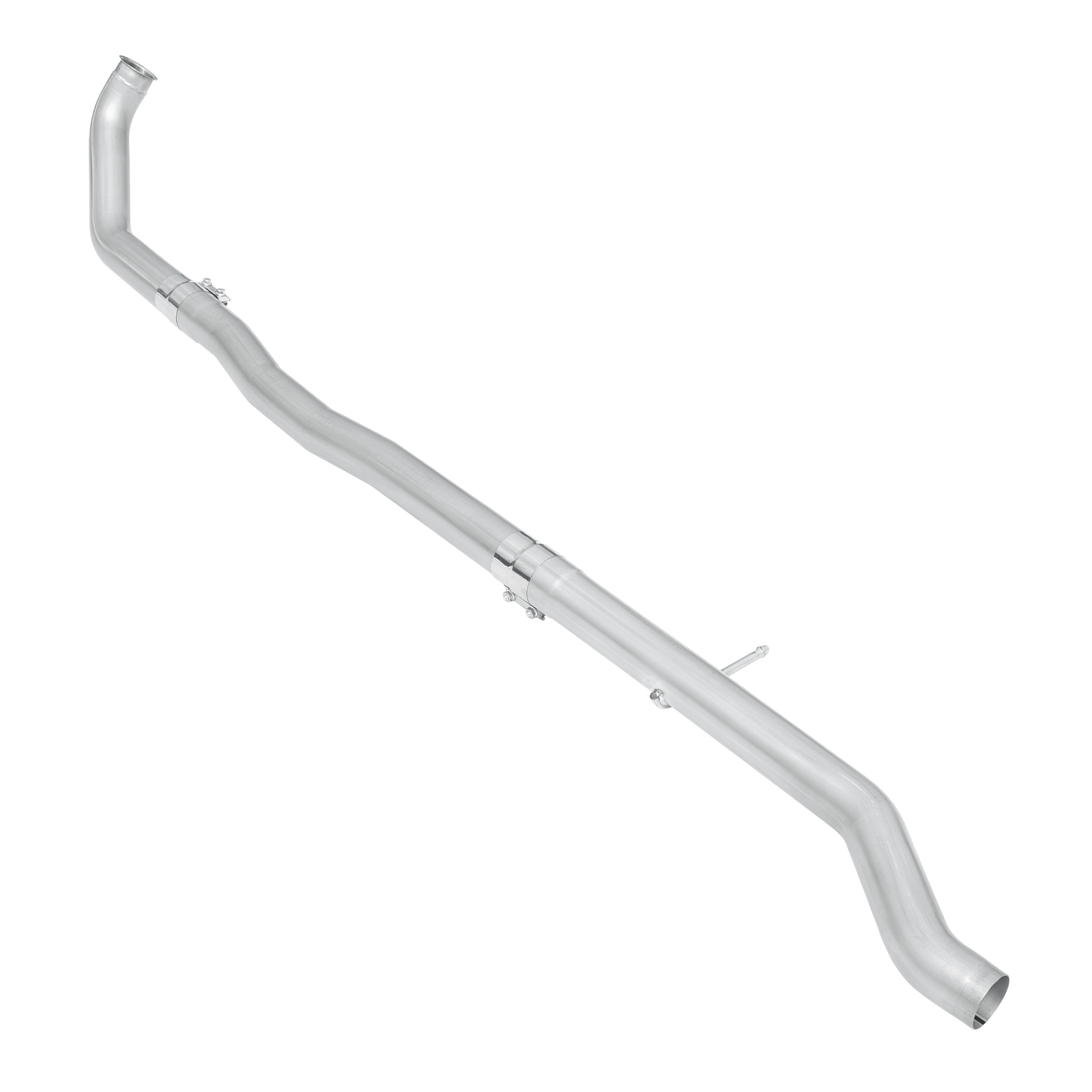
The most frequent companion to an EGR delete. While the EGR kit cleans up the intake, the DPF Delete Pipe uncorks the exhaust, allowing your engine to breathe freely from front to back.
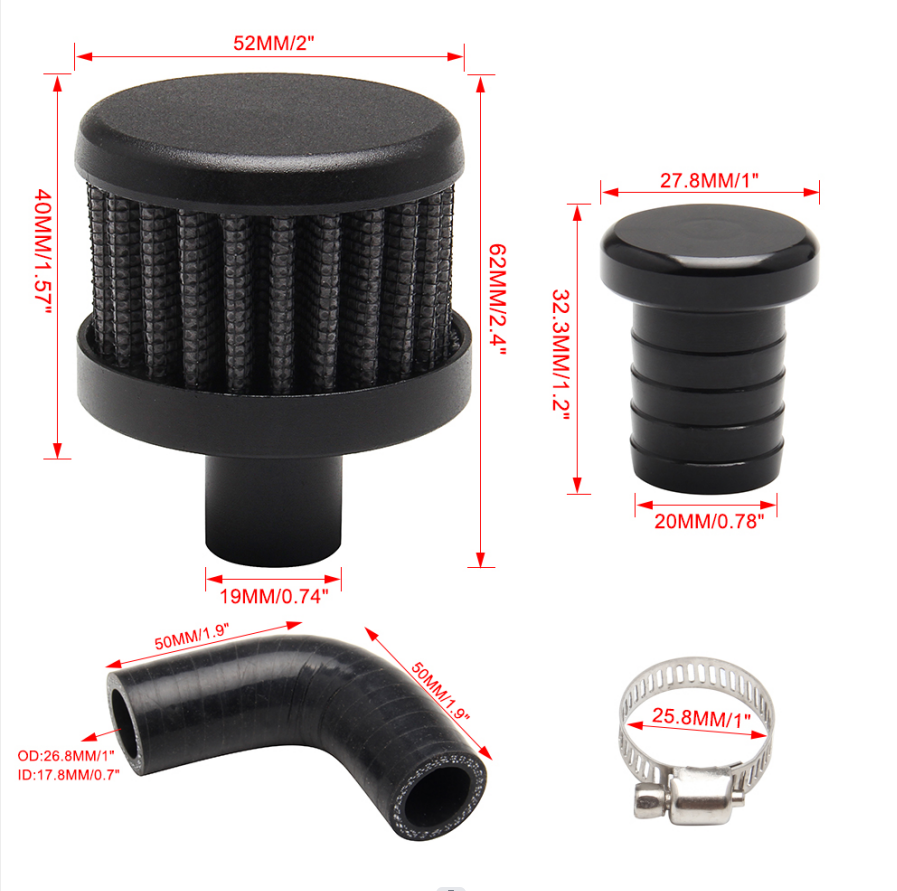
Essential for a "clean" engine bay. Pairing an EGR delete with a CCV / PCV Reroute Kit ensures that oily crankcase vapors stop coating your turbo and intercooler, helping keep your entire intake tract cleaner.
Upgrading your Downpipe along with an EGR delete can help lower Exhaust Gas Temperatures (EGTs) and improve turbo spool-up, making it a common choice for more demanding towing applications.
Crucial Step: Most EGR deletes require a Tuner to recalibrate the ECM and prevent Limp Mode or Check Engine Lights. It acts as the "brain" that coordinates your new hardware.
If you’re looking to handle everything at once, a Diesel Delete Kit combines the EGR delete, DPF pipe, and Tuner into a single, platform-specific package. This is one of the most efficient ways to help ensure component compatibility across your build.
Start by identifying your engine platform (e.g., Powerstroke, Cummins, Duramax). Once identified, confirm your specific model year and engine code (like LML or L5P for Duramax). Always check the fitment notes on the product page before ordering.
In most cases, yes. Removing the factory EGR system without an EGR-friendly Tuner will trigger a Check Engine Light (CEL) and may put your truck into "Limp Mode." Always pair your hardware with the appropriate tuning software.
Block-off plates are basic metal caps used to plug the EGR ports. A Full Delete Kit includes a high-flow mandrel-bent tube and hardware to completely remove the heavy EGR cooler assembly, freeing up engine bay space and preventing future coolant leaks.
Pricing is determined by kit completeness (whether it includes all gaskets and brackets), material quality (304 vs 409 stainless steel), and the engineering complexity required for newer engine platforms (like the 2020+ Powerstroke).
No. These products are strictly for off-road, competition, or racing use only. They are not legal for use on public roads or highways in the United States under EPA regulations.


-69bd23c47de13.jpg)
-69bd23c4a3b68.jpg)
-69bd2417f33d9.jpg)