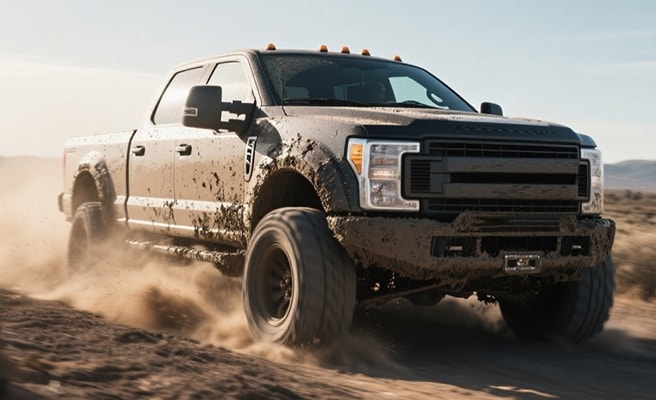

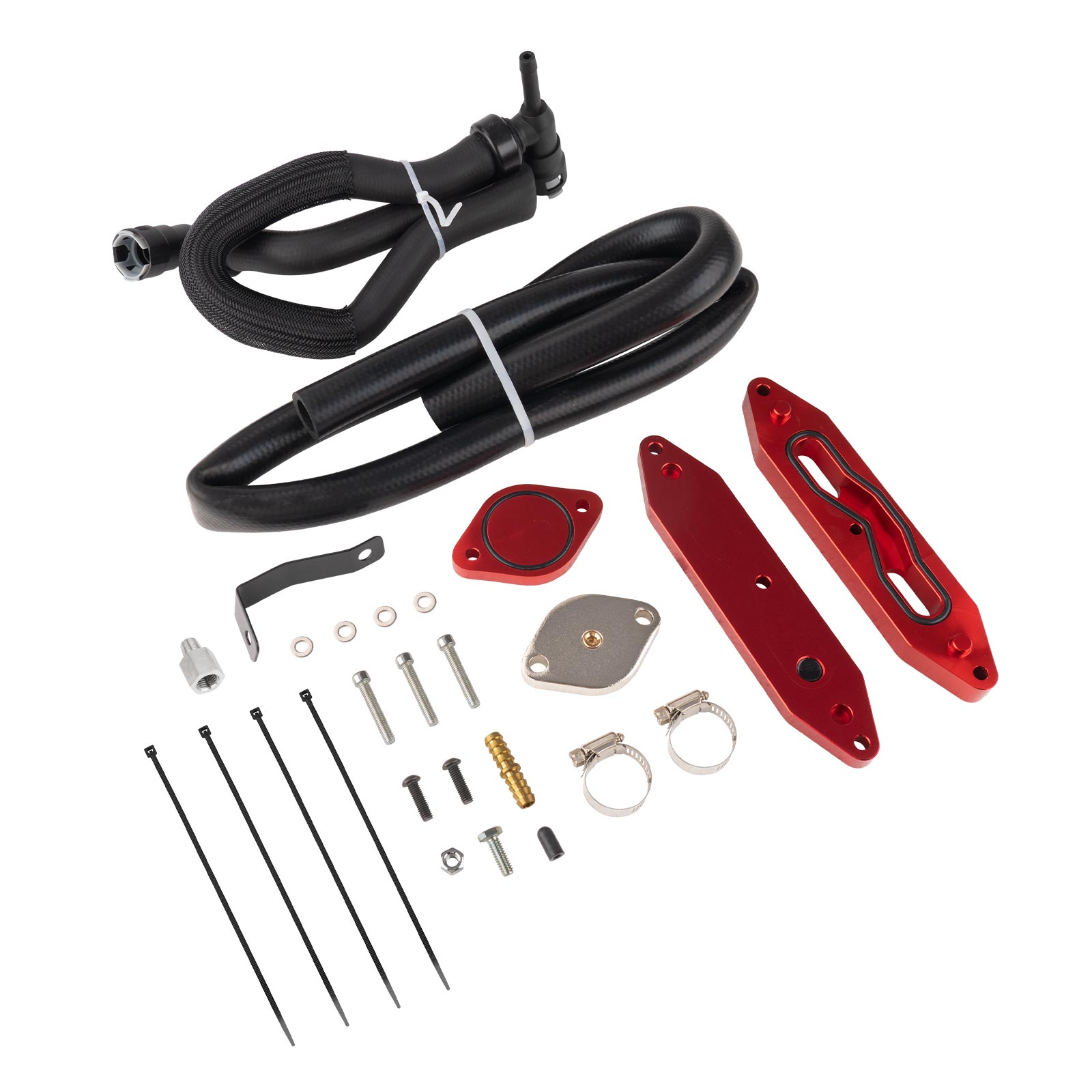
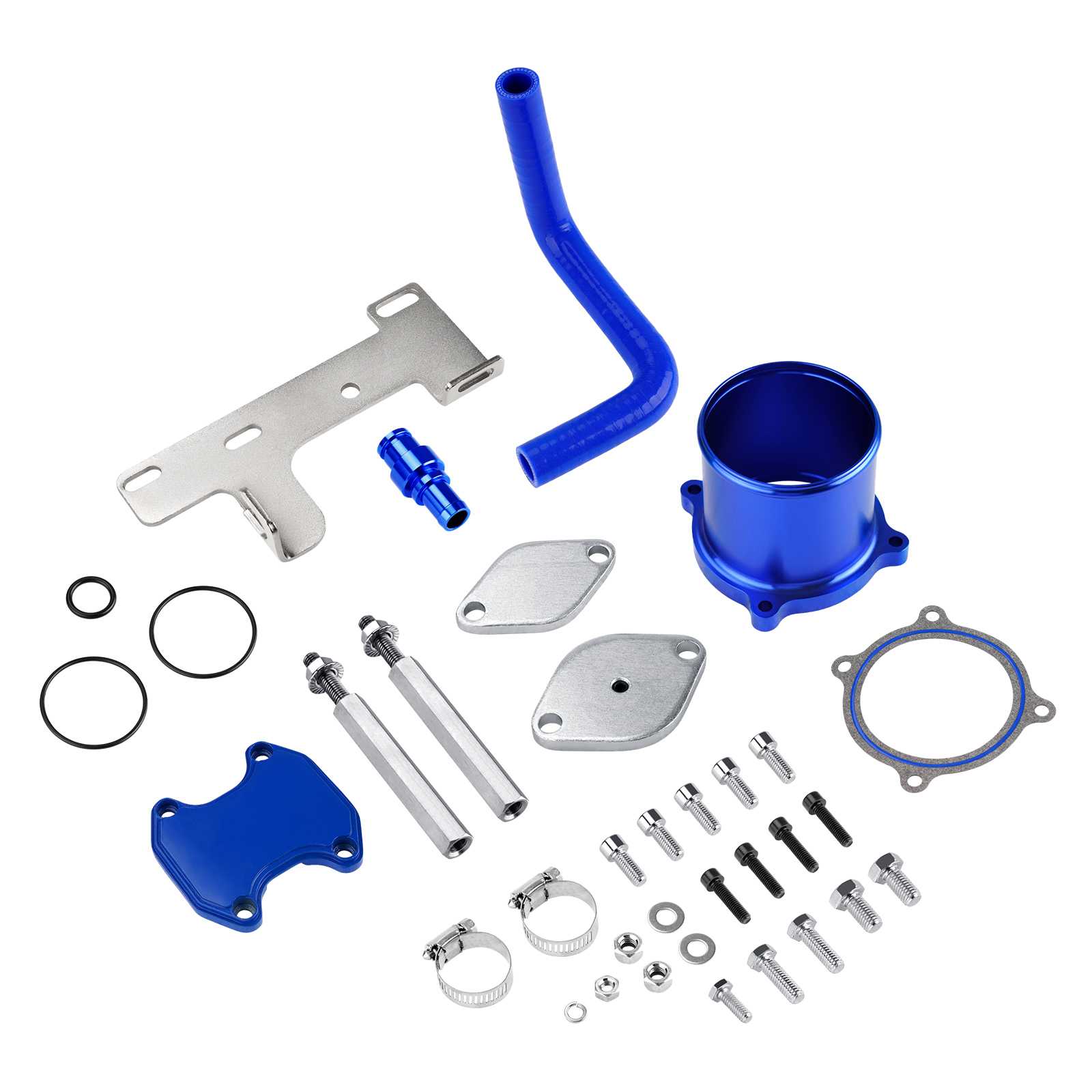
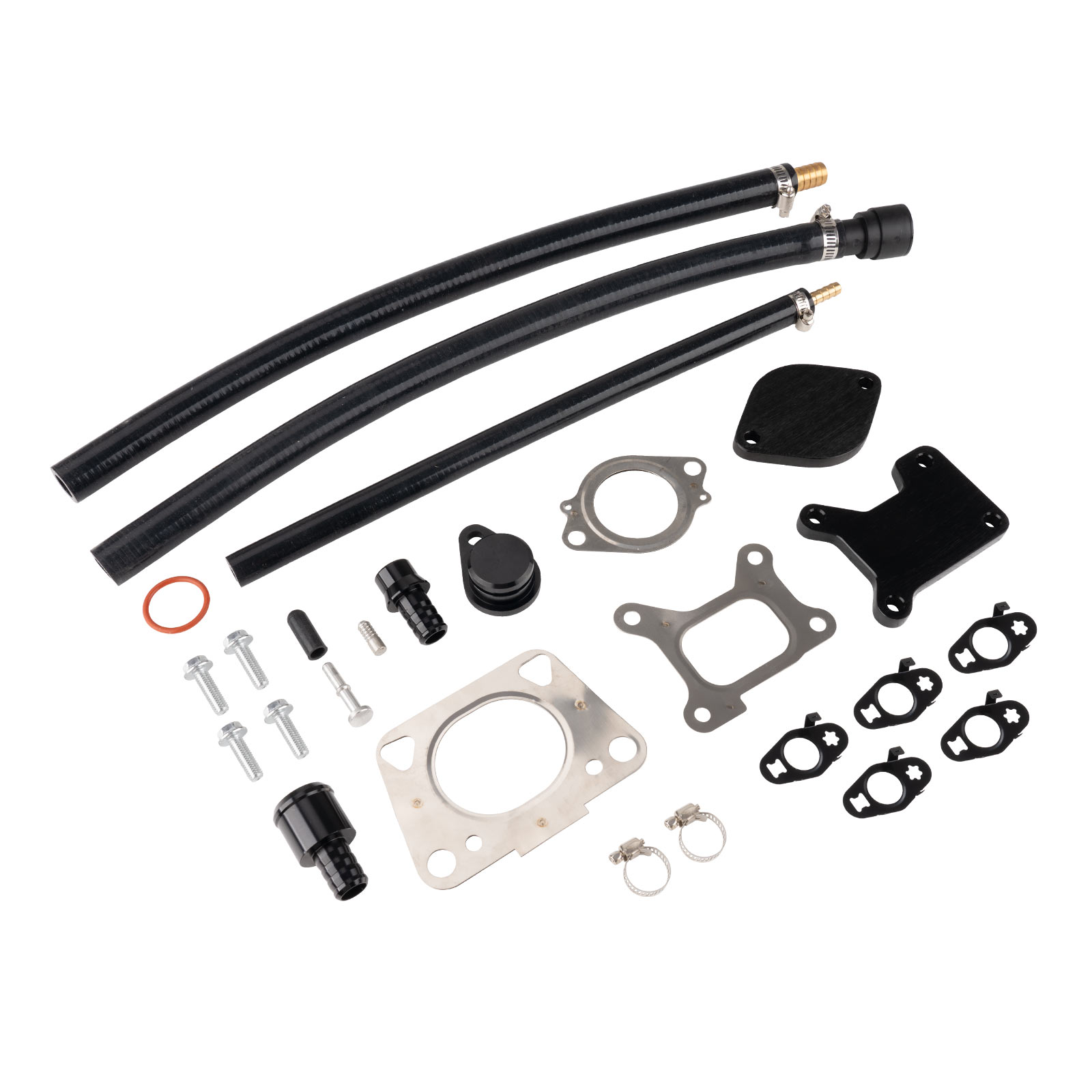
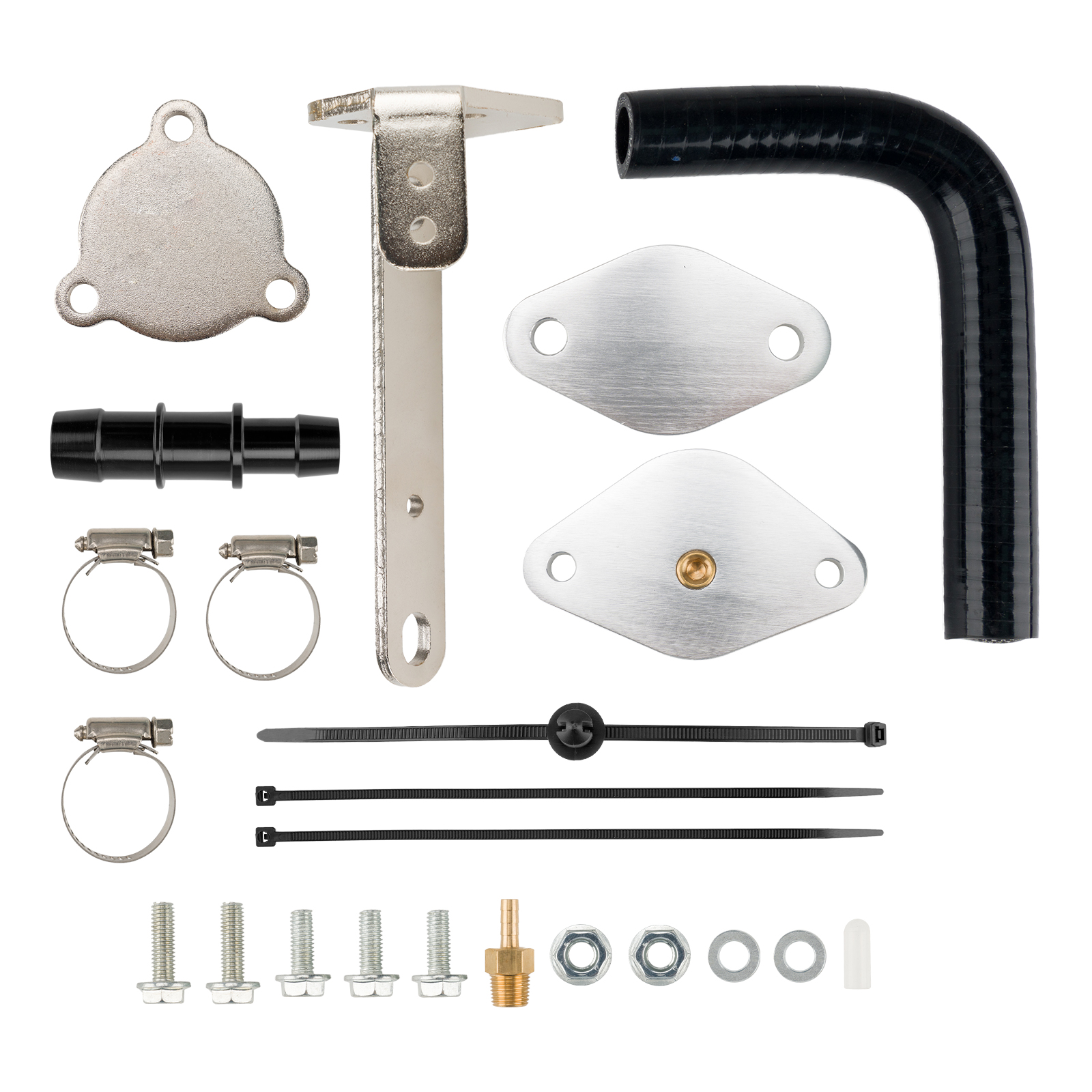
Ford Powerstroke engines have earned a strong reputation for decades of reliable torque output and exceptional durability. However, recurring EGR/DPF issues have frustrated many owners. But don't worry, Vigor Diesel's Powerstroke delete kit is designed to solve these problems and deliver the airflow, power, and reliability a diesel truck should have.
Whether you're driving a powerful 6.0L or 6.4L engine, or the modern 6.7L Powerstroke, every generation of engine can be upgraded for maximum power.
 Check if this fits your vehicle
 Shopping for your {{ item.vehicle.year }} {{ item.vehicle.make }} {{ item.vehicle.model }} {{ item.vehicle.submodel }} {{ item.vehicle.engine }} {{ item.vehicle.trim }}
If This Fit Your {{ item.vehicle.make }} {{ item.vehicle.model }}
Shopping for your {{ item.vehicle.year }} {{ item.vehicle.make }} {{ item.vehicle.model }} {{ item.vehicle.submodel }} {{ item.vehicle.engine }} {{ item.vehicle.trim }}
If This Fit Your {{ item.vehicle.make }} {{ item.vehicle.model }}
 Doesn't fit {{ item.vehicle.year }} {{ item.vehicle.make }} {{ item.vehicle.model }} {{ item.vehicle.submodel }} {{ item.vehicle.engine }} {{ item.vehicle.trim }}
Universal Fit
Doesn't fit {{ item.vehicle.year }} {{ item.vehicle.make }} {{ item.vehicle.model }} {{ item.vehicle.submodel }} {{ item.vehicle.engine }} {{ item.vehicle.trim }}
Universal Fit
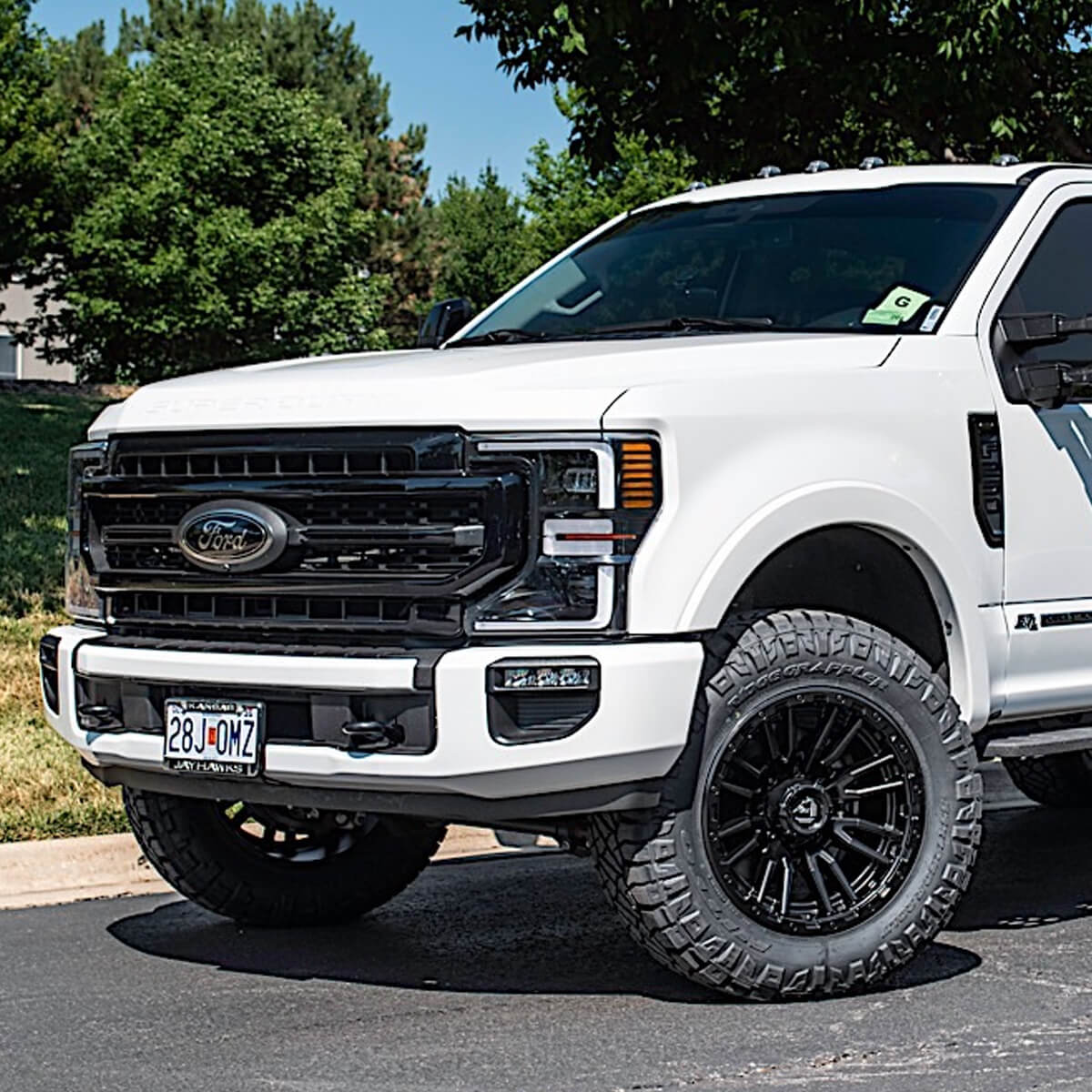
Since 2003, the Ford PowerStroke series—from the 6.0L and 6.4L to the modern 6.7L—has been the benchmark for heavy-duty performance. Known for its high tuning ceiling and V8 architecture, the PowerStroke is the ultimate platform for owners seeking maximum power and improved MPG.
We specialize in high-performance solutions for 2003-2024 PowerStroke engines, designed to bypass factory restrictions and boost overall fuel economy:
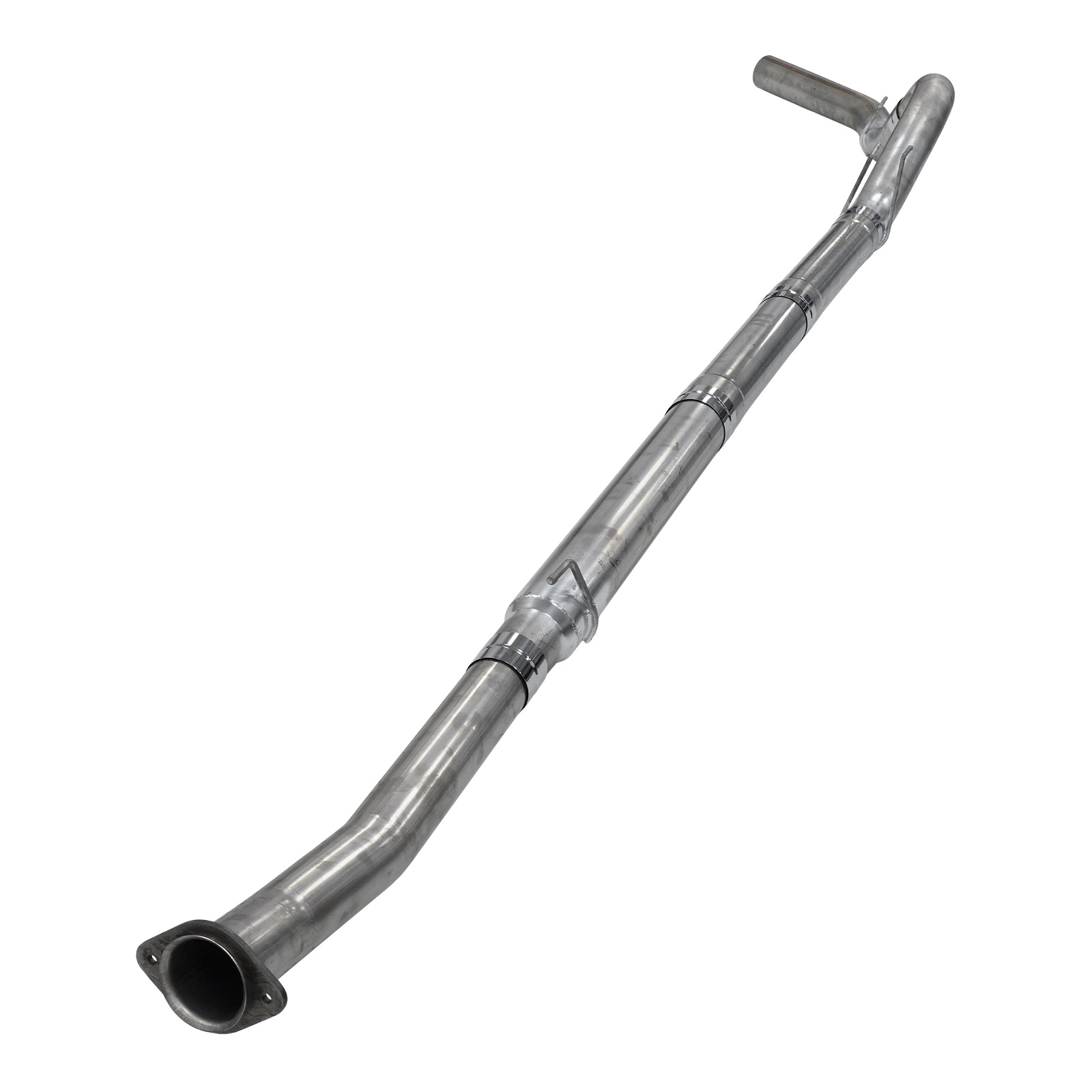
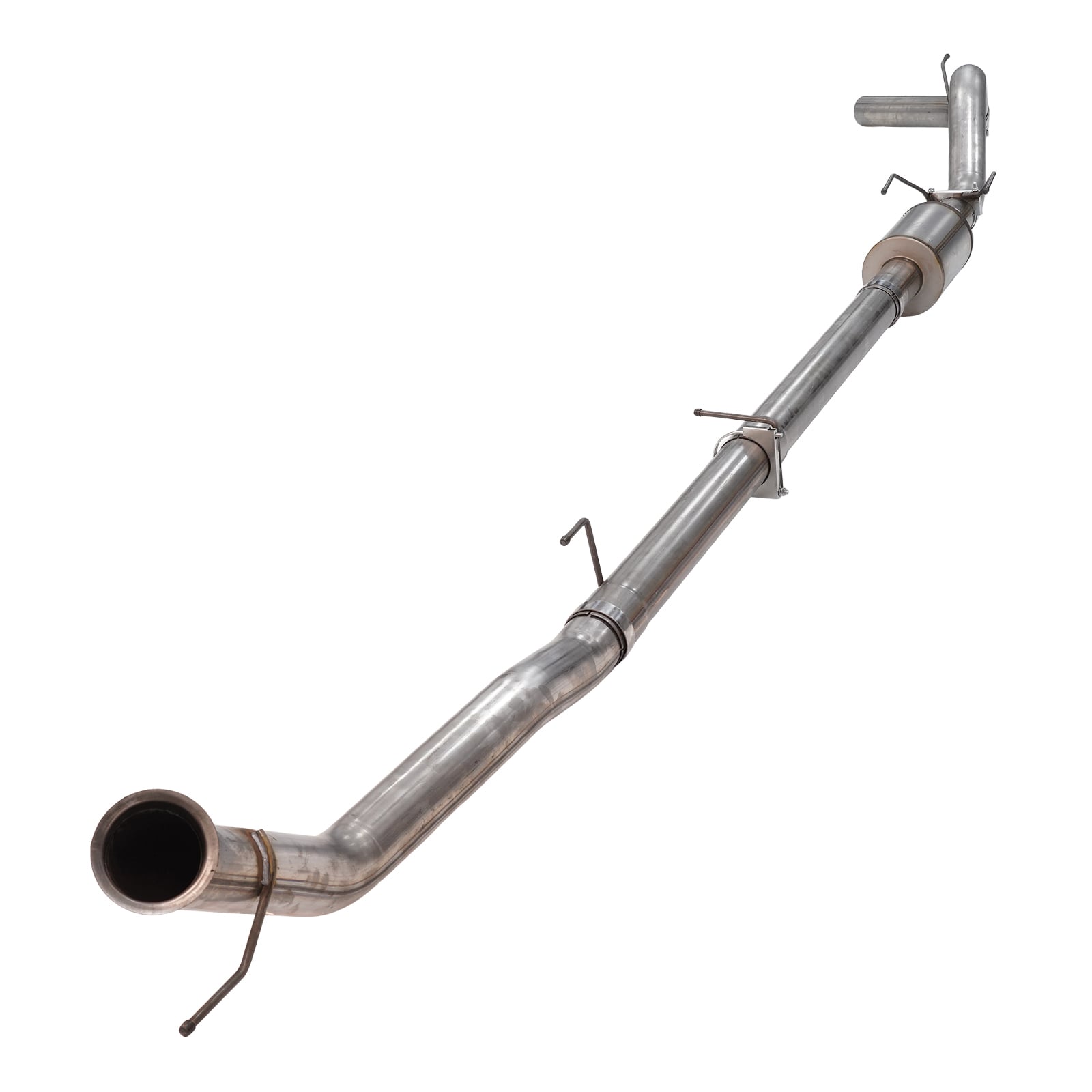
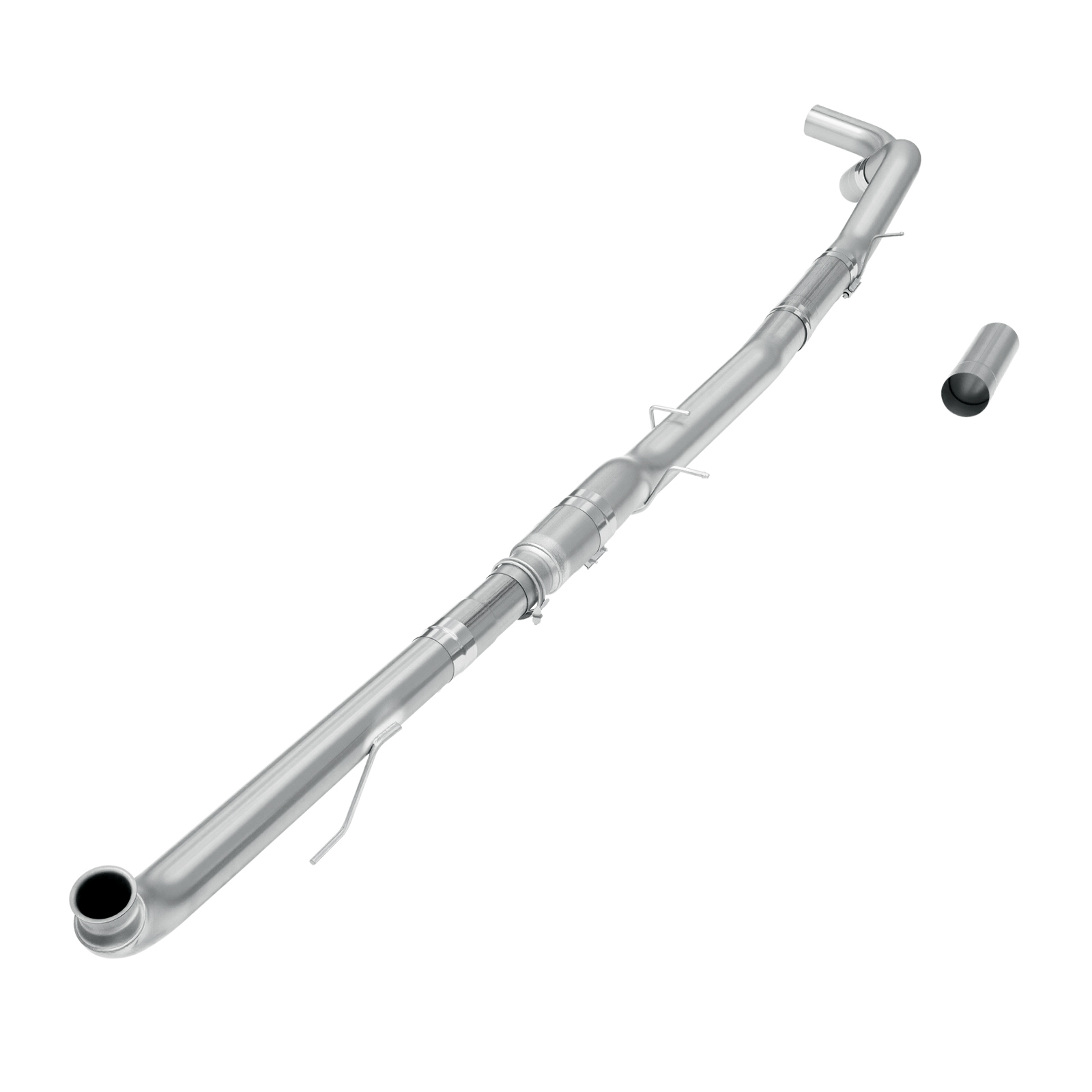
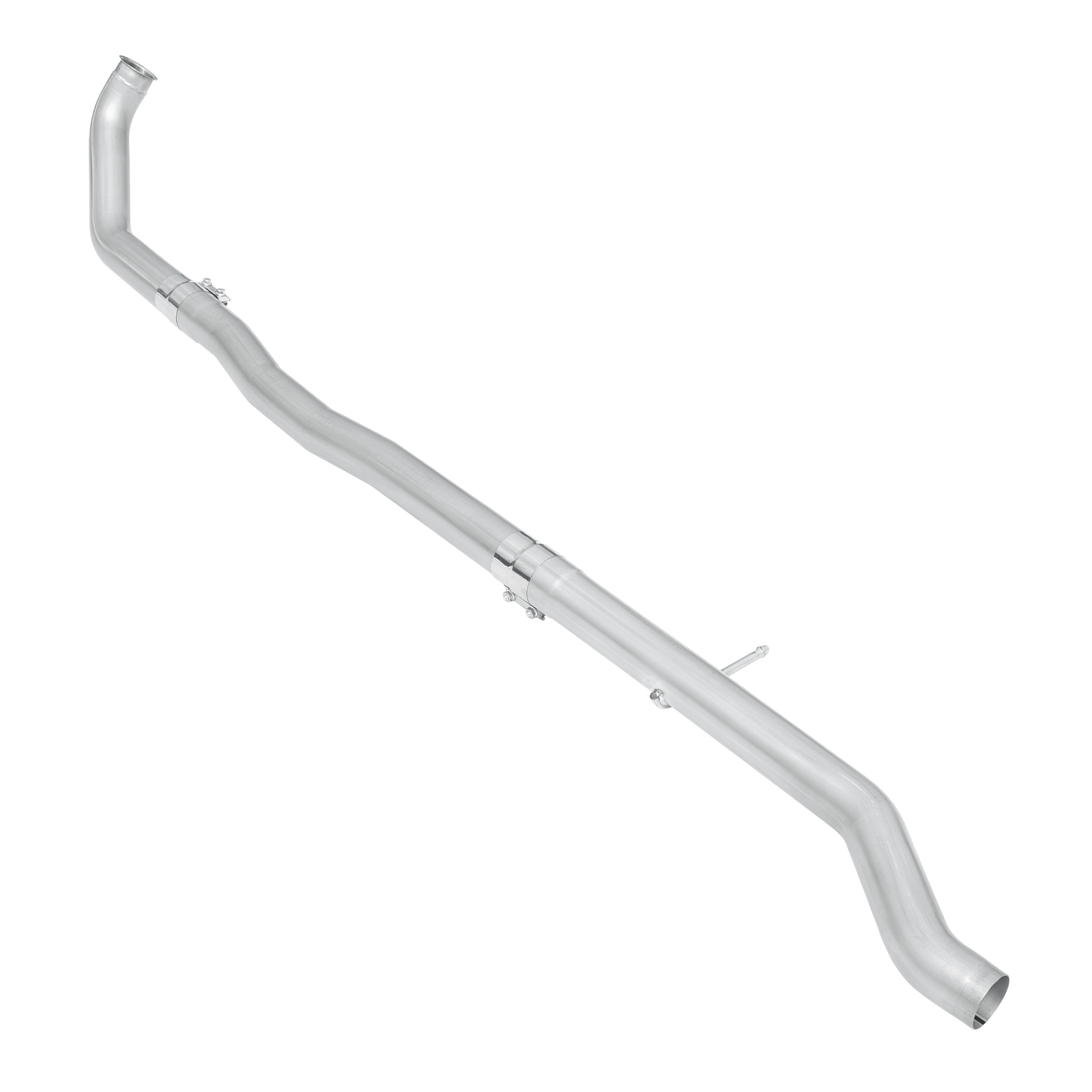
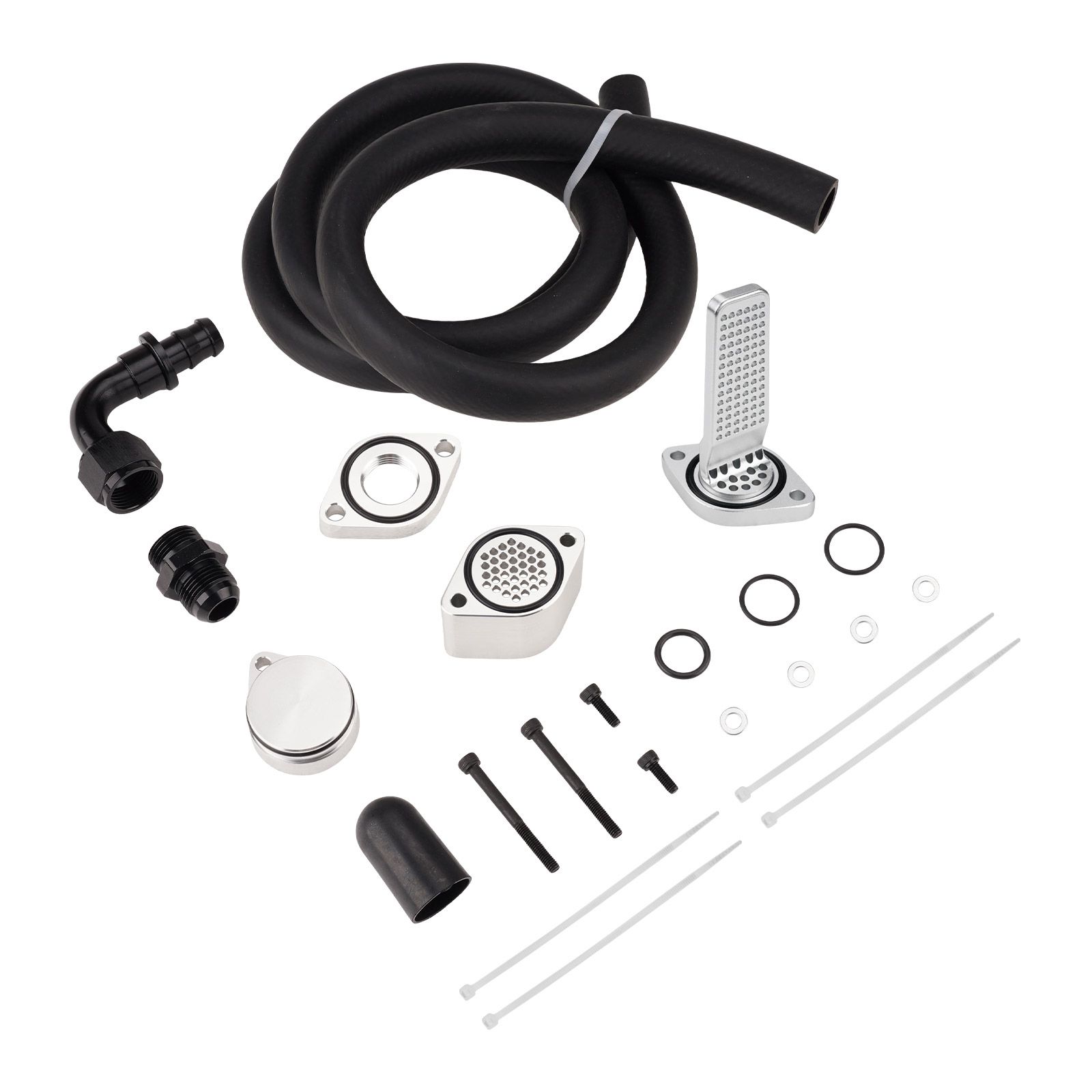
Emission Solutions: High-quality EGR/EGR Cooler and DPF Delete Kits (including Downpipes) to eliminate clogging and reduce exhaust backpressure.
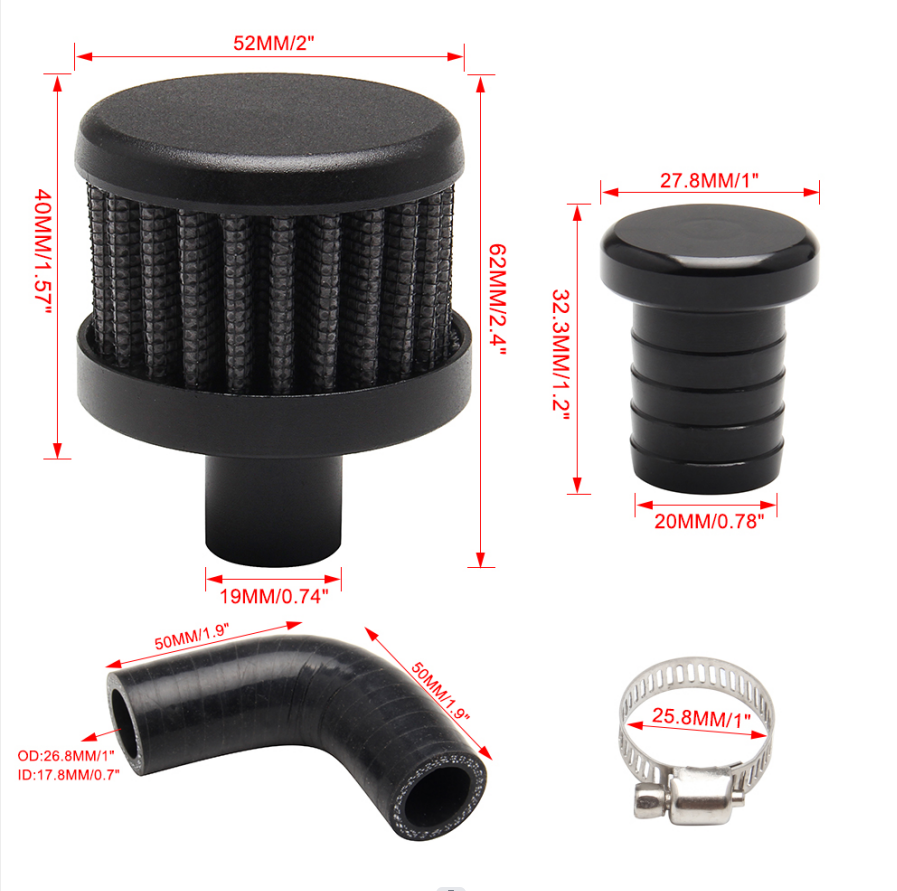
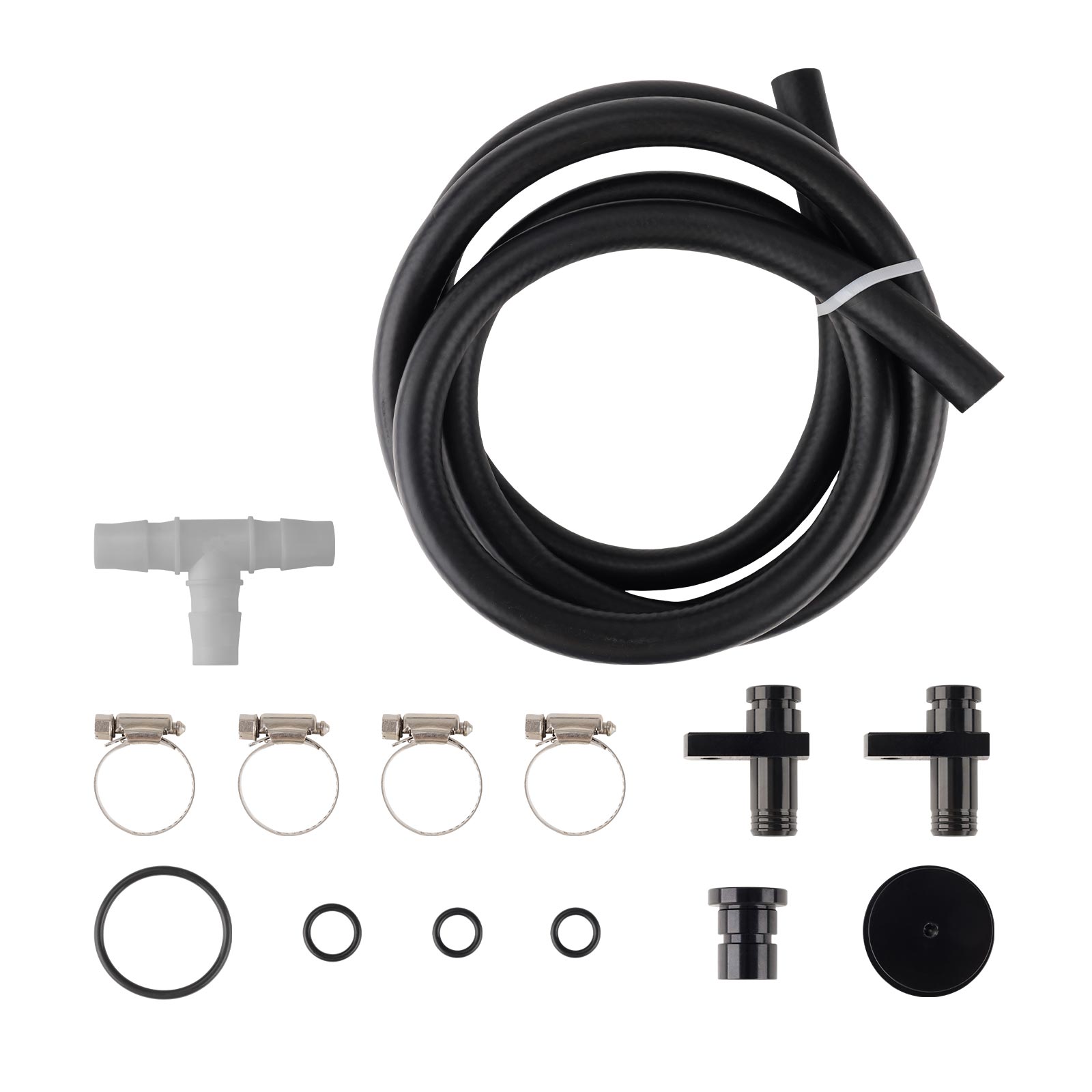
Engine Longevity: CCV Upgrade/Delete kits to prevent carbon buildup and protect your engine’s internal health.
Precision Tuning: Premium Tuners & Performance Chips designed to unlock a broader torque curve, higher RPM power, and significant MPG gains.
Whether you’re looking to enhance towing reliability or achieve million-mile durability, our kits provide the most trusted upgrade path for your Ford Super Duty.
While the PowerStroke series is synonymous with heavy-duty performance, selecting the correct parts requires precise knowledge of your engine's generation and vehicle configuration. From the legendary 6.0L "Bulletproofing" projects to modern 6.7L performance tuning, each model year has specific requirements for EGR, DPF, and CCV systems.
| Year Range | Engine Type | Compatible Models | Key Upgrade Focus |
|---|---|---|---|
| 2003–2007 | 6.0L PowerStroke | F-250 / F-350 / F-450 / F-550 / Excursion / E-Series Vans | Covers Cab & Chassis and SUV models; focuses on "Bulletproofing" (EGR/Oil Cooler solutions). |
| 2008–2010 | 6.4L PowerStroke | F-250 / F-350 / F-450 / F-550 Super Duty | Includes Cab & Chassis; focuses on DPF/EGR deletes to eliminate clogging and boost MPG. |
| 2011–2014 | 6.7L PowerStroke | F-250 / F-350 / F-450 / F-550 Super Duty | First-gen 6.7L platform; comprehensive emission upgrades for both Pickups and Cab & Chassis. |
| 6.7L PowerStroke | F-250 / F-350 / F-450 / F-550 Super Duty | Mid-gen performance boost; optimized EGR and DPF solutions for high-torque towing. | |
| 2020–2024 | 6.7L PowerStroke | F-250 / F-350 / F-450 / F-550 Super Duty | Latest high-output models; advanced tuning for 10-speed transmission Cab & Chassis work trucks. |
The evolution of Ford PowerStroke engines has led to significant differences in architecture and emission systems. Consequently, the ideal upgrade path varies by displacement. For owners of the 6.0L, 6.4L, and 6.7L PowerStroke, specific system enhancements are essential to unlocking peak performance.
The 6.0L is legendary for its tuning potential but is often held back by factory cooling and emission bottlenecks. For this generation, the primary objective is "Bulletproofing" for long-term reliability.
Core Performance Upgrades (High Demand):
EGR Delete Kit / Up-Pipe: Completely eliminates soot buildup and prevents catastrophic engine damage caused by EGR cooler failure.
CCV Reroute Kit: Prevents oil vapors from entering the intake, keeping the turbo and intercooler clean.
Tuner / Performance Chips: Re-calibrates fuel injection logic for smoother power delivery and increased throttle response.
Diesel Delete Kit (with Downpipe): A comprehensive exhaust optimization solution designed to improve cooling efficiency and airflow.
Supporting Upgrades (Lower Frequency): Upgraded Oil Coolers, Turbocharger replacements, and High-Pressure Oil Pump (HPOP) reinforcements.
The 6.4L introduced a complex DPF (Diesel Particulate Filter) system, which significantly restricts the explosive power of its factory twin-turbo setup.
Core Performance Upgrades (High Demand):
DPF / DPF Delete Kit: Removes the most significant exhaust restriction to dramatically improve MPG (Fuel Economy).
EGR Valve & Cooler Delete: Improves intake air quality and reduces overall engine operating temperatures.
Tuner / Performance Chips: Provides precise boost control for the twin-turbo system to unlock hidden horsepower.
Diesel Delete Kit (with Downpipe): A full-scale emission system overhaul for a lightweight and high-efficiency exhaust flow.
Supporting Upgrades (Lower Frequency): Heavy-duty Water Pumps and Intercooler Pipe upgrades.
As Ford’s most advanced diesel platform, the 6.7L offers exceptional factory specs. However, the complex SCR/DEF systems can be prone to failure under heavy-duty use. Modifications focus on maximizing efficiency and mission-critical reliability.
Core Performance Upgrades (High Demand):
DPF / DEF Delete Kit: Optimizes exhaust flow for instantaneous torque response during heavy towing.
EGR Cooler Upgrade: Reduces carbon contamination in the intake manifold, allowing the engine to "breathe" freely.
CCV Catch Can / Upgrade: Since modern VGT turbos are sensitive to oil mist, upgrading the CCV system is vital for turbo protection.
Performance Tuner: Safely maximizes peak torque while monitoring critical Exhaust Gas Temperatures (EGT).
Diesel Delete Kit (with Downpipe): An all-in-one performance package tailored for modern Super Duty trucks.
Supporting Upgrades (Lower Frequency): Cold Air Intakes and Fuel System Safeguards (such as CP4 Bypass Kits).
Choosing the right Ford Super Duty often comes down to understanding the trade-offs between these three iconic Powerstroke generations. While they all share the V8 architecture, their factory limitations and upgrade potentials vary significantly.
The Profile: Known for its "jet-engine" turbo whistle and simple mechanical layout.
The Challenge: High-pressure oil system issues and fragile EGR coolers.
Why Upgrade: For the 6.0L, an EGR Delete and Oil Cooler update aren't just performance mods—they are survival requirements. Once "Bulletproofed," this engine offers incredible value and longevity.
The Profile: The only factory Twin-Turbo Powerstroke, capable of massive horsepower with minimal effort.
The Challenge: The early DPF systems were prone to extreme clogging, leading to fuel dilution and premature engine wear.
Why Upgrade: A 6.4 Powerstroke Delete Kit provides the highest Return on Investment (ROI) of any generation, often yielding 2-5 MPG gains and instant throttle response by uncorking the turbos.
The Profile: Ford’s own in-house design. It is quieter, more refined, and produces mountain-moving torque.
The Challenge: Complex SCR/DEF (Urea) systems and sensitive sensors that can trigger "Limp Mode" over minor electronic glitches.
Why Upgrade: Upgrading the emission system and tuning on a 6.7L focuses on mission-critical reliability. It simplifies the truck for long-distance towing and ensures you aren't stranded by a faulty sensor in the middle of a job.
| Feature | 6.0L Powerstroke | 6.4L Powerstroke | 6.7L Powerstroke |
| Best For | Budget-conscious enthusiasts | High-HP drag racing & sled pulls | Heavy-duty towing & daily work |
| Turbo Type | Single Variable Geometry (VGT) | Sequential Twin-Turbos | Single VGT (GT32/GT37/Modified) |
| Main Weak Point | EGR Cooler & Head Studs | DPF Restriction & Piston Heat | DEF/SCR Sensors & CP4 Pump |
FAQsYes, significantly. One of the primary reasons owners install a DPF/EGR Delete Kit is to eliminate the "Regen" cycle. In a stock 6.7L or 6.4L PowerStroke, the engine injects extra fuel into the exhaust to burn off soot, which wastes a large amount of diesel. By removing these restrictions, most drivers report an increase of 2–5 MPG, depending on their driving habits and tuning levels. "Bulletproofing" refers to replacing the weak factory components that often lead to engine failure. This typically includes installing an EGR Delete or an upgraded EGR cooler, replacing the oil cooler, and adding heavy-duty head studs. These upgrades address the 6.0L's tendency for head gasket leaks and cooling system clogs, transforming it into a high-performance, million-mile engine. Yes, absolutely. If you physically remove the DPF or EGR hardware without a Tuner, your truck’s ECU will immediately trigger "Limp Mode" and display various Error Codes (CEL). A specialized tuner (like Mini Maxx or EZ LYNK) is required to re-program the ECU to recognize the absence of these sensors, ensuring the engine runs smoothly and error-free. Common symptoms include white smoke from the exhaust (burning coolant), unexplained coolant loss, and high oil temperatures. For 6.0L and 6.7L owners, a failing EGR cooler is a ticking time bomb that can lead to hydrolocking the engine. Upgrading to an EGR Delete Kit or a reinforced cooler is the most effective way to prevent these catastrophic repairs. While delete kits reduce the amount of soot entering your oil, high-performance tuning can increase internal heat. We recommend staying with a 5,000 to 7,500-mile oil change interval using high-quality full synthetic diesel oil. Regular oil analysis is also recommended for tuned engines to ensure the oil maintains its viscosity and protection levels under increased horsepower. Set Up Your Vehicle
Get the exact fit for your vehicle
Required Fields*
Currently Shopping For:

{{currentVehicle.year}} {{currentVehicle.make}} {{currentVehicle.model}} {{currentVehicle.submodel}}
{{currentVehicle.engine}} {{currentVehicle.trim}}
No Vehicle Selected
Non-selected Vehicle Models:
|

-69bd23c47de13.jpg)
-69bd23c4a3b68.jpg)
-69bd2417f33d9.jpg)