

If you are driving a 2017–2024 Ford F-250 or F-350 powered by the formidable and mature 6.7 Powerstroke engine, then by 2026, you are likely standing at a true technical and economic crossroads.
This Super Duty still boasts highly competitive 6.7 Powerstroke specs. Whether you drive a 2017 F250, 2018 F250, or a 2019 F250, you can clearly feel that the foundation of this platform remains strong: abundant low-end torque, stable towing, and convincing overall performance under long-haul conditions.
However, by 2026, what owners truly care about is often no longer just "can this truck still run," but rather four more realistic questions: How much warranty is left? Are the maintenance costs for the emission and aftertreatment systems spiraling out of control? Will long-term carbon buildup and oil-gas management hinder 6.7 Powerstroke hp and towing response? If you plan to keep this truck for many more years, how can you maintain the turbo, intake, and exhaust systems at peak efficiency?
2017 Ford F250 to 2022 F250: Segmenting by Model Year to Redefine Your 6.7 Powerstroke Lifecycle
Many articles jump straight into "should you delete" or "should you upgrade," but for 2017–2024 6.7 Powerstroke owners, the more critical question is: What lifecycle stage is your truck currently in?
By 2026, even though they all carry the 6.7 Powerstroke name and belong to the Super Duty family, different model years face entirely different realities. Some are already battling out-of-warranty maintenance costs; some are standing on the edge of the warranty period watching for future trends; and others have just picked up their trucks, focusing on how to keep them in top condition from day one.
2017-2019 F250: The Reality of Out-of-Warranty Repairs and System Aging
If you are still driving a 2017, 2018, or 2019 Ford F250, you likely realize that the biggest headache isn't necessarily a catastrophic engine failure, but rather the vehicle entering a state where "everything still works, but nothing is worry-free."
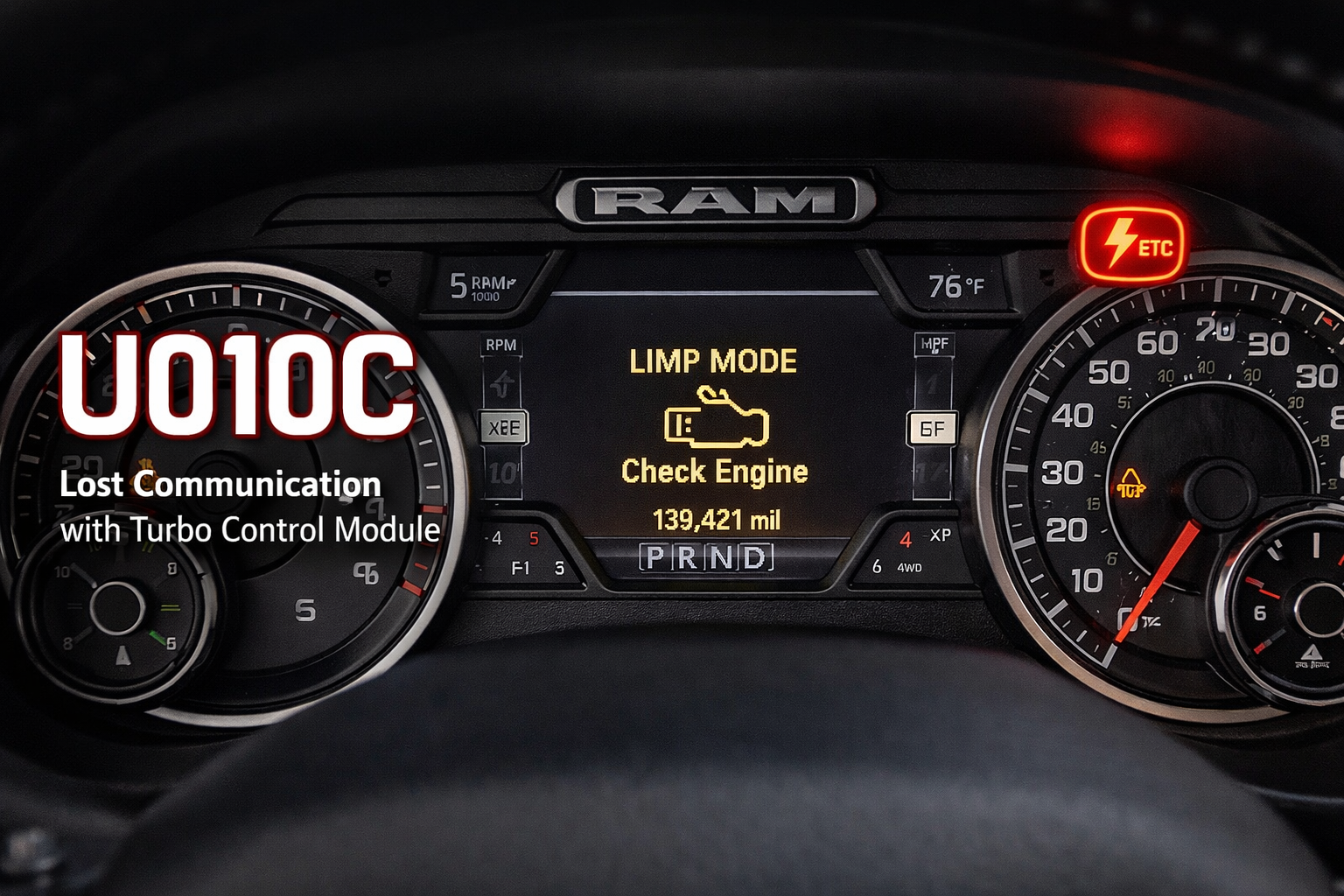
It can still tow, haul, and work, but you'll notice the maintenance rhythm has changed. Fault codes, sensor issues, occasional limp modes, and fluctuating performance—these minor issues don't seem like much individually, but once they become a pattern, they gradually erode your trust in the truck. The most frustrating part is that it’s not completely broken; it just starts feeling unreliable.
2020-2022 F250: "Warranty Edge" Anxiety at the Peak of Power
For the 2020, 2021, and 2022 F250 owners, things aren't quite as blunt. Because the factory performance of these years is already impressive, owners often feel conflicted: the truck is great and doesn't "need" a major change yet, but you know that as mileage increases, potential issues will eventually surface.
The smartest move here is not to act impulsively, but to see clearly. Use data monitoring to track vehicle health, regen frequency, and fault code trends before deciding whether to continue with preventative maintenance or move toward a full delete solution.
2023–2024 6.7 Powerstroke Engine: New Life, Cleanliness, and Tech Experience
For 2023–2024 owners, the logic is different. Your biggest advantage is "newness," but the biggest risk is ignoring preventative maintenance because the truck is new. Problems like intake contamination and turbo carbon buildup don't show up in the first 10,000 miles, but they accumulate. By the time you feel a sluggish response, the "preventative" window has passed.
In short: 2017–2019 owners face out-of-warranty reality; 2020–2022 owners solve decision anxiety; 2023–2024 owners seize the protection window. Segment first, then act.
2021 F250–2024 6.7 Powerstroke: Why Internal Cleanliness and Digital Monitoring are Top Priorities?
The biggest mistake for owners of newer trucks is assuming nothing needs to be done. On the contrary, these trucks should be protected from "silent" issues like intake contamination and heat load changes that will affect long-term driving quality.
Prioritize 6.7 Powerstroke Oil Capacity and Intake Contamination
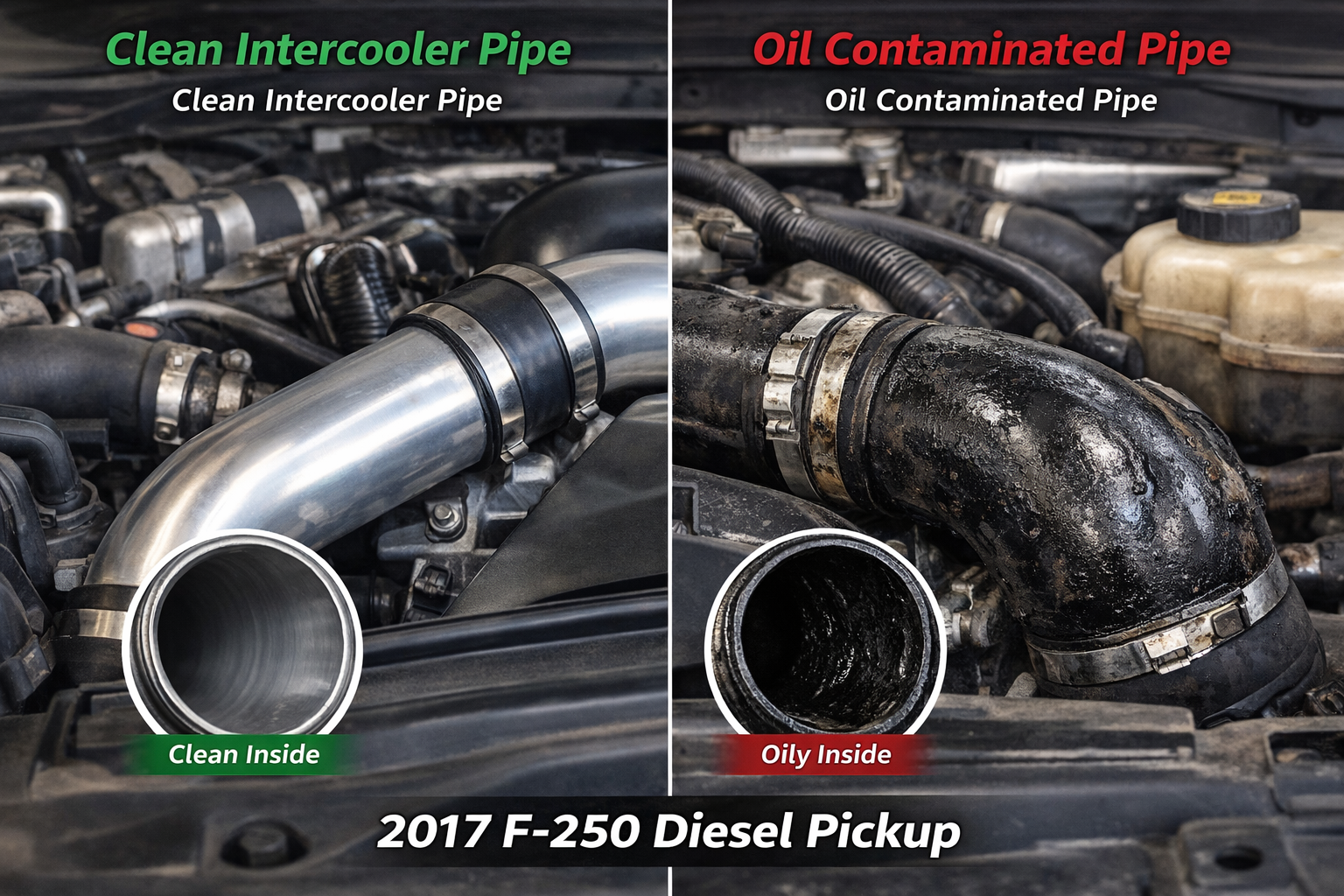
SAE (Society of Automotive Engineers) research indicates that blow-by gases carry significant oil mist into the intake. With a 6.7 Powerstroke oil capacity of 13.0 qt (12.3 L), ignoring oil conditions can lead to reduced fuel economy and performance. Controlling oil mist early preserves that "new truck" responsiveness.
The Defense Logic of CCV Delete and EZ LYNK
A CCV Delete 6.7 Powerstroke kit physically cuts off the path for oil mist to enter the turbo and intercooler. For those under warranty, this is a low-risk "lung cleaning" solution. Paired with EZ LYNK 6.7 Powerstroke, you can monitor EGTs and boost levels on your phone, catching anomalies before they trigger a fault code.
Out of Warranty for 2017–2020 Ford F250? Balancing HP, MPG, and Long-Term Costs
For out-of-warranty owners, the real question is: Can this truck continue to work reliably without frequent interruptions? The cost is no longer just the parts—it's the downtime and lost productivity.
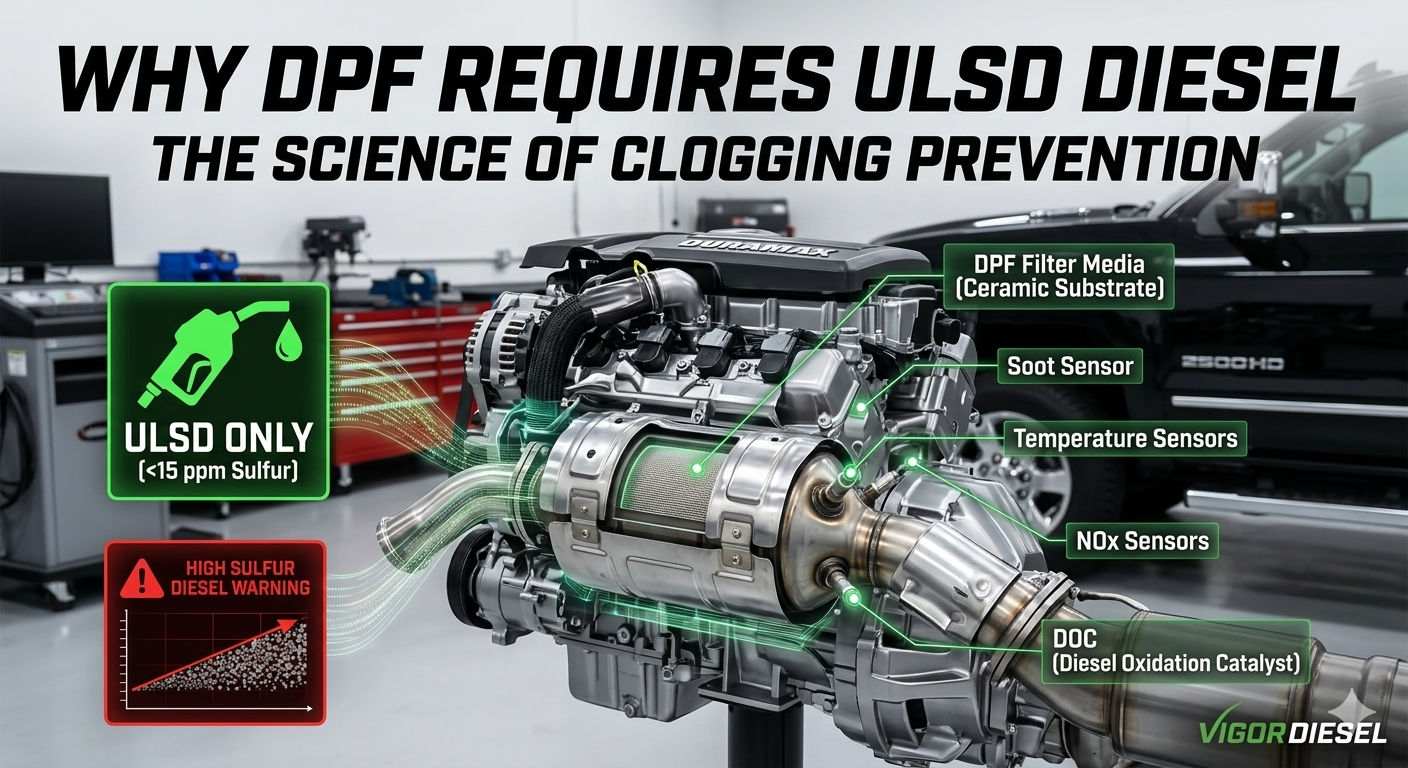
Many owners start looking for a 6.7 Powerstroke delete kit or 6.7 Powerstroke DPF delete kit not just for power, but because the aftertreatment system has become a maintenance burden. For heavy towers, "performance" actually means "effortlessness"—knowing the truck can finish the job without limp modes or soaring EGTs.
Why EZ LYNK is the Must-Know 6.7 Powerstroke Tuner for 2017–2024 Owners?
EZ LYNK connects you with real-time data and technical support. It is more than just a tool to "flash" a truck; it's a platform to see your truck's health clearly. For newer owners, it's a monitoring start point; for out-of-warranty owners, it's a tool to reduce misdiagnosis and increase repair efficiency.
Why Vigor Diesel Emphasizes "Software First, Hardware Second"?
Getting the connection, identification, and files sorted out first reduces rework and anxiety. It ensures the process is stable and prevents the "did I mess this up" feeling during the installation.
2017–2024 Ford F250 / F350 Decision Matrix
| Owner Type (Year) | Core Need | Recommended (Priority) | Core Hardware/Software | Expected ROI |
|---|---|---|---|---|
| 2023–2024 New | Protection | Plan A: Preventative | CCV Delete | Dry intake system, no turbo soot, real-time oil status. |
| 2020–2022 Transition | Decision Support | Plan B: Digital Monitoring | EZ LYNK 6.7 Powerstroke (Deep) | Clear view of DPF/EGR trends to avoid blind repairs. |
| 2017–2019 Out-of-Warranty | Reliability & Performance | Plan C: Efficiency Upgrade | 6.7 Powerstroke Delete Kit(Includes a tuner) | End sensor codes, unlock HP, and improve towing MPG. |
Expert Advice: How to Choose Your Path?
- For New Trucks (23-24): Focus on "Clean Lungs." A CCV Delete kit extends engine life without changing emission logic.
- Approaching 100k Miles (20-22): Focus on "Data." Use EZ LYNK to see exactly how much life is left in your DPF.
- Fully Out of Warranty (17-19): Focus on "The Cure." A high-quality EGR/DPF delete kit is the best investment to bring an old truck back to life.
What stage is your 6.7 Powerstroke in? Leave a comment with your Year + Mileage + Usage, and we will help you find the right starting point.