

Diesel Tech Guide
Why DPF Requires ULSD Diesel
Understanding why modern diesel emissions systems depend on Ultra-Low Sulfur Diesel (ULSD) is critical if you want to protect your truck from costly aftertreatment failures.
Introduction
For every modern diesel pickup owner, that highly visible “Ultra-Low Sulfur Diesel Fuel Only” label on the pump has become a familiar sight. Since 2007, whether it is Ford’s 6.7L Powerstroke, GM’s Duramax, or Chrysler/Ram’s 6.7L Cummins, the heavy-duty pickup industry has gone through a major engineering revolution—and that entire design shift has been built around this ultra-clean fuel.
Most drivers have a vague idea that not using ULSD can affect warranty coverage, but very few truly understand the mechanical cost behind that decision. The requirement for ULSD is not just about complying with emissions laws. It is also the only condition that allows your expensive DPF (Diesel Particulate Filter) to survive long-term. In this in-depth guide, we will explain how sulfur content poisons your exhaust system from the inside out, and why repeated emissions failures often become the trigger that leads some owners to consider off-road-only upgrade paths such as a DPF delete kit.
What Is a DPF on a Diesel Truck?
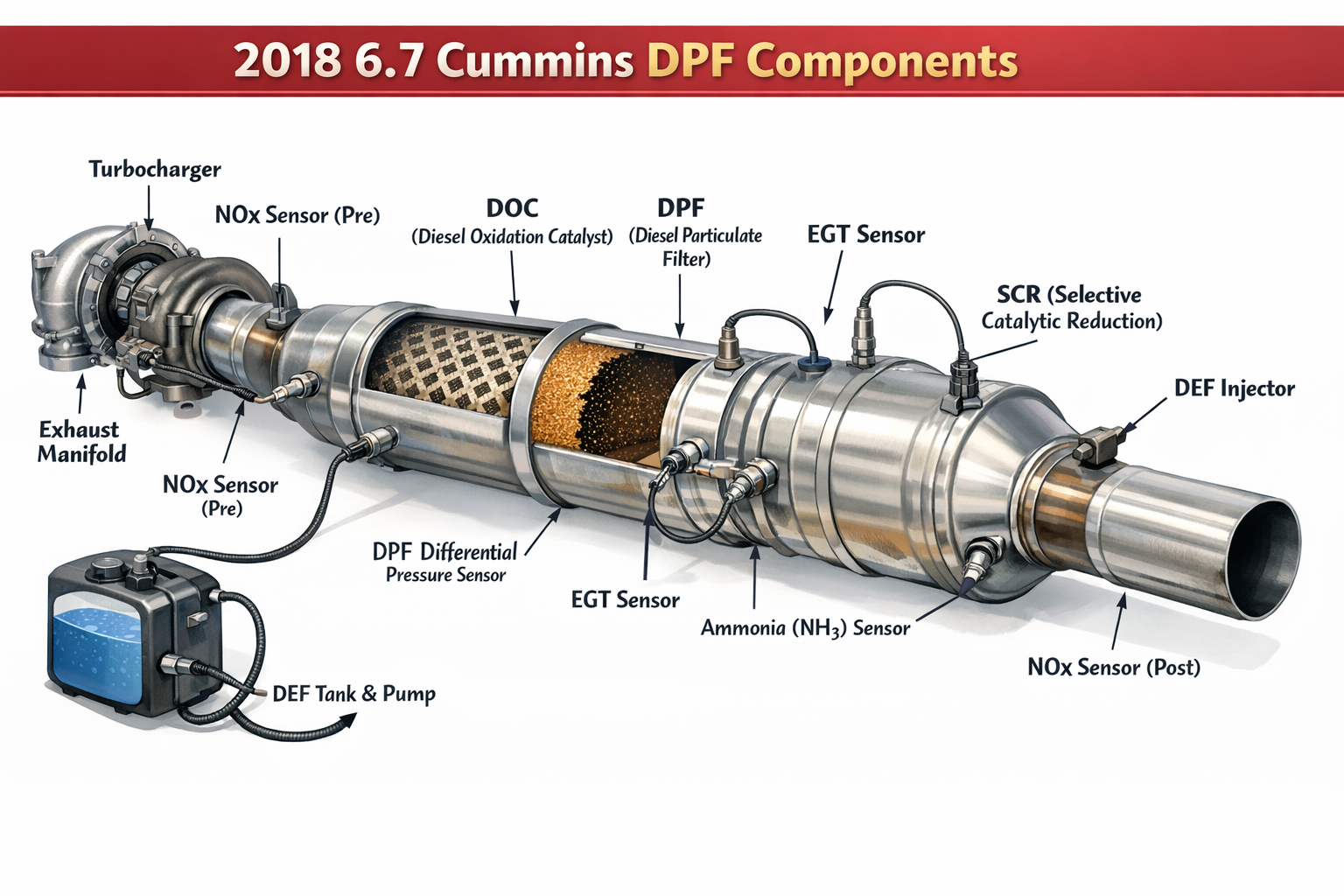
To understand why fuel quality affects vehicle life, you first need to understand what the DPF (Diesel Particulate Filter) actually does. In a modern exhaust aftertreatment system, the DPF serves as a critical gatekeeper. It sits downstream of the exhaust manifold, and its job is simple but essential: to trap soot and microscopic particulate matter—the same black smoke older diesel engines used to push out—before those particles leave the tailpipe.
How Does the DPF Work? (Physical Trapping Mechanism)
Unlike a normal muffler that simply lets gas pass through, the inside of a DPF contains a dense honeycomb-style ceramic filter substrate.
- Capture process: As exhaust gases pass through these tiny ceramic channels, soot particles are physically trapped on the filter walls, while cleaned exhaust gas continues downstream.
- Regeneration process: This trapping process is not unlimited. When the filter approaches saturation, the truck initiates a “regeneration” (regen) cycle. During regen, the ECU injects additional fuel to drastically raise exhaust temperature, converting the trapped soot into tiny amounts of ash through extreme heat.
The DPF’s Sensitive Zone: What It Can Filter, and What It Fears
A healthy DPF can filter out more than 90% of harmful particulate matter in the exhaust stream, allowing a diesel engine to operate with virtually no visible black smoke. However, it is also an extremely delicate and precise component.
Core Technical Note:
Soot: Comes from combustion and can be burned off during high-temperature regeneration.
Ash: Comes from sulfur content and metallic compounds in the fuel, and it is not combustible.
Put simply, soot is temporary waste that can be cleaned out during regen. Ash is permanent buildup. Once ash forms, the only real solutions are physical cleaning or expensive full-unit replacement.
What Is Ultra-Low Sulfur Diesel (ULSD)?
ULSD (Ultra-Low Sulfur Diesel) is the official standard fuel for modern diesel engines and aftertreatment systems. Compared to older diesel fuel, it goes through a much more aggressive desulfurization process during refining.
Definition and Standard of ULSD
In the United States and Canada, the standard for ULSD limits sulfur content to less than 15 ppm (parts per million). By comparison, the older LSD (Low Sulfur Diesel) widely used before 2006 contained up to 500 ppm sulfur. That means ULSD reduced sulfur content by more than 97%.
ULSD vs. Regular Diesel
In addition to drastically lower sulfur content, ULSD also features adjusted cetane characteristics and lubricity properties. Modern diesel engines—such as the 2007+ 6.6L Duramax or 6.7L Cummins—were factory-calibrated around this cleaner fuel. For any truck equipped with a DPF, ULSD is the only proper fuel standard. It is not optional.
To help you clearly understand why a DPF must be paired with this fuel, here is a comparison between ULSD, older LSD, and common off-road high-sulfur diesel:
| Fuel Characteristics | ULSD | Older LSD | Off-Road / Non-Road High-Sulfur Diesel |
|---|---|---|---|
| Maximum Sulfur Content | < 15 ppm | < 500 ppm | > 500 - 3000+ ppm |
| DPF Compatibility | Fully compatible (manufacturer specified) | Can cause permanent blockage | Strictly prohibited |
| SCR System Impact | No chemical damage | Can poison and disable catalyst function | Can trigger immediate system damage and fault codes |
| Particulate Emissions | Very low (virtually invisible) | Noticeable black smoke | Very high pollution output |
| Recommended Use | All 2007+ on-road diesel vehicles | Older pre-2007 mechanical diesel vehicles | Agricultural and mining off-road machinery |
Why Is This 97% Reduction So Important?
As the table shows, ULSD contains more than 97% less sulfur than older fuel. In a basic diesel engine, that difference may only mean a different exhaust smell. But in a modern engine equipped with a DPF, that 15 ppm limit is the line between a functioning ceramic honeycomb and a poisoned one.
Industry Insider Tip:
Many owners try to save a few cents per gallon, or accidentally fill up with agricultural high-sulfur diesel in remote areas. In many cases, expensive DPF warning lights start appearing on the dash within just a few months.
Why Does a DPF Need Ultra-Low Sulfur Diesel?
The DPF system was designed to operate in a low-sulfur environment. Any deviation from that standard creates a chain reaction inside the filter and throughout the aftertreatment system.
Reducing Harmful Deposits: The Difference Between Soot and Ash
Sulfur in fuel turns into sulfates and metallic oxides during combustion. While both may look dark inside the exhaust stream, they are completely different from the DPF’s perspective.
Key Diagnostic Point: What Are You Filling Your DPF With?
Soot: Like firewood in a stove. It can be burned off and turned into gas during regeneration.
Ash: Like rocks in a stove. It is made of sulfur-based and metallic deposits, and it cannot be burned away.
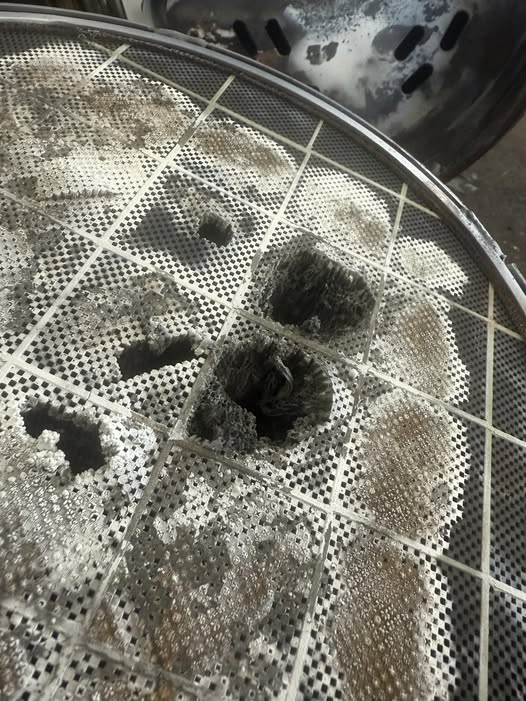
The conclusion is simple: the higher the sulfur content in the fuel, the more ash the system produces. These “rocks” permanently occupy the honeycomb channels inside the DPF. As ash builds up, the effective capacity of the filter shrinks rapidly, eventually leading to total blockage.
ULSD Supports Proper DPF Regeneration
A DPF can only clean itself through precise chemical reactions. High-sulfur fuel does not just create physical waste—it also chemically poisons the upstream DOC (Diesel Oxidation Catalyst).
- Catalyst failure: Sulfur forms a masking layer on the catalyst surface, preventing it from generating enough heat.
- Regen failure: If the DOC cannot help create temperatures above 600°C, soot inside the DPF cannot burn off. The system then falls into a loop of repeated regeneration attempts, failed regens, and error codes.
- Higher backpressure: Exhaust flow becomes restricted, which adds stress to both the engine and turbocharger.
Long-Term Risk: How High-Sulfur Fuel Can Directly Ruin Your DPF System
Using non-compliant fuel can reduce the expected service interval of a DPF from tens of thousands of miles to just a few thousand. Repeated extreme-temperature cleanup attempts often lead to thermal cracking in the ceramic substrate. Because the cost of replacing a full factory emissions system is so high, many owners who go through several “cleaning didn’t work” situations eventually begin researching complete off-road upgrade routes, including a DPF delete kit, to eliminate dependence on highly sensitive emissions hardware.
What Happens If You Do Not Use ULSD in a DPF-Equipped Truck?
Accidentally using high-sulfur fuel in a modern diesel truck equipped with a DPF—such as a 6.7L Powerstroke or LML Duramax—is not just an emissions violation. It can create an immediate poisoning effect on both the engine and the exhaust system. Below are four of the most obvious consequences of ignoring the proper fuel standard.
Is Your Truck Showing These Distress Signals? (Troubleshooting Checklist)
Use the checklist below to see whether your DPF may already be suffering from poor fuel quality:
- Frequent regens: Was your truck previously regenerating every 400–600 miles, but now it starts a regen every 100–200 miles?
- Noticeable power loss: Does boost build slowly, throttle response feel dull, and passing power seem weak?
- Poor fuel economy: Is fuel mileage suddenly down 15–20% because the system is constantly injecting fuel to raise exhaust temperature?
- Dash warnings or limp mode: Are you seeing emissions codes like P242F or P0420, or has the truck entered speed-limiting protection mode?
Chain Reaction: Higher Exhaust Backpressure
When a DPF becomes physically blocked by sulfur-related ash, exhaust flow is severely restricted.
- Result: This backpressure directly affects the turbocharger, increasing turbine load and heat, and can even cause premature turbo failure.
- What you feel while driving: The truck feels sluggish, and throttle response becomes slow and heavy.
- Potential risk: Excessive backpressure increases stress and heat on the turbo vanes, which can lead to early failure of an expensive VGT (Variable Geometry Turbo).
Performance Loss and Poor Fuel Economy
To try to clean out a restricted DPF, the ECU increases fuel delivery to raise exhaust temperatures.
- Efficiency loss: This ongoing fuel compensation noticeably increases fuel consumption.
- Limp mode: If the DPF reaches a critical restriction level and cannot clear through regeneration, the truck may enter limp mode, severely limiting speed and horsepower until service is performed.
SCR Catalyst Poisoning: A Multi-Thousand-Dollar Repair Trap
High-sulfur fuel does not just clog the DPF. It can also chemically poison the SCR (Selective Catalytic Reduction) system. Sulfur reacts with the catalyst and reduces its ability to lower NOx emissions.
Repair Bill Warning:
Cleaning a DPF may cost a few hundred dollars, but once an SCR catalyst is chemically poisoned, replacing the full aftertreatment system typically costs between $3,000 and $5,000.
Because of these repeated repair costs and persistent “can’t fix it” emissions faults, many owners dealing with poor fuel environments or high-mileage failure patterns eventually start researching off-road-use solutions and using a DPF delete kit to completely remove these highly fuel-sensitive components.
Why Are Modern Diesel Emissions Systems Designed Around ULSD?
The DPF does not work alone in the exhaust system. It is one critical part of the full aftertreatment system. That entire system—including the DOC and SCR—was designed and calibrated around the specific chemistry of ULSD.
The DPF Is Only One Piece of the Aftertreatment Chain
In modern trucks such as the L5P Duramax or 6.7L Cummins, exhaust first flows through the DOC, then the DPF, and finally the SCR.
- System cooperation: The DOC uses heat energy from fuel-related reactions to help trigger DPF regeneration.
- Sulfur interference: If sulfur content is too high, it forms a masking layer on the DOC catalyst surface. Once the DOC stops working correctly, the DPF cannot get enough heat to regenerate, causing a system-wide collapse.
How Sensitive the DOC and SCR Are to Sulfur
Beyond physically clogging the DPF, high-sulfur fuel can also create chemical poisoning.
- Catalyst poisoning: Sulfur can react negatively with the DEF process in the SCR system, damaging the expensive precious-metal catalyst that reduces NOx.
- Irreversible damage: This type of chemical damage is often permanent, meaning the catalyst may not recover even after switching back to ULSD.
Why Modern Emissions Calibration Is Inseparable from ULSD
Modern engine control units use fuel mapping and air-fuel calculations that are precisely calibrated around the burn characteristics of ULSD. Non-compliant fuel disrupts that balance and can trigger a cascade of sensor faults. Because the full emissions system is both delicate and extremely expensive, many owners dealing with repeated emissions warning lights and unresolved limp mode issues eventually begin exploring off-road-use solutions. By installing a DPF delete kit, they can avoid many of the fuel-sensitive hardware risks and gain more direct performance in off-road environments.
Does ULSD Cost More?
In some regions—such as Mexico and parts of Central and South America— ULSD may cost slightly more than older high-sulfur diesel because its refining and desulfurization process is more complex. However, for any modern pickup equipped with a DPF, such as a 6.7L Powerstroke, that fuel price difference becomes almost irrelevant when compared to long-term survival cost.
Fuel Price vs. Potential Repair Bill
Run the numbers clearly: do the pennies you save even come close to replacing a DPF?
| Cost Item | Using ULSD (15 ppm) | Using High-Sulfur Fuel (500 ppm+) |
|---|---|---|
| Per-Gallon Difference | + $0.05 - $0.15 (reference estimate) | About $1 - $3 saved per tank |
| Annual Fuel Difference | Roughly $50 - $150 depending on mileage | Theoretical annual savings of around $100 |
| Potential Repair Risk | Long-term DPF health and standard maintenance | DPF failure / SCR poisoning |
| Repair Cost | $0 beyond normal maintenance | $3,000 - $6,000+ |
| Hidden Cost | None | Limp mode, downtime, lost productivity |
The few cents saved by using the wrong fuel will never offset the thousands of dollars that can result from a blocked DPF or a poisoned SCR system.
- Physical failure: Replacing an OEM DPF commonly costs $2,500 to $4,500, not including sensors or labor.
- Downtime risk: For a commercial-use or tow rig, losing one day to limp mode often costs more than the entire yearly fuel price difference.
Common Signs Your DPF System Is Under Excessive Stress — Do Not Ignore Your Truck’s Warning Signals
Even if you consistently use ULSD, your DPF system can still face extreme stress because of fluctuating fuel quality, repeated short city trips that do not allow regen temperature to build, or aging sensors. Recognizing these signs early can prevent irreversible engine or emissions-system damage.
What Is Your Dashboard Telling You? (Core Trouble Code List)
When pressure inside the DPF rises beyond its expected limit, the ECU stores specific fault codes. If you have an OBD-II scanner, watch for the following:
- P242F: Diesel particulate filter restricted by ash accumulation.
- P2463: Excessive soot accumulation in the DPF.
- P0420: Catalyst system efficiency below threshold, possibly pointing to sulfur poisoning in the DOC.
- P2002: Particulate trap efficiency below threshold, often indicating a damaged or cracked DPF substrate.
Common Signs Your DPF System Is Under Excessive Stress — Do Not Ignore Your Truck’s Warning Signals
Even if you consistently use ULSD, your DPF system can still face extreme stress because of fluctuating fuel quality, repeated short city trips that do not allow regen temperature to build, or aging sensors. Recognizing these signs early can prevent irreversible engine or emissions-system damage.
What Is Your Dashboard Telling You? (Core Trouble Code List)
When pressure inside the DPF rises beyond its expected limit, the ECU stores specific fault codes. If you have an OBD-II scanner, watch for the following:
- P242F: Diesel particulate filter restricted by ash accumulation.
- P2463: Excessive soot accumulation in the DPF.
- P0420: Catalyst system efficiency below threshold, possibly pointing to sulfur poisoning in the DOC.
- P2002: Particulate trap efficiency below threshold, often indicating a damaged or cracked DPF substrate.
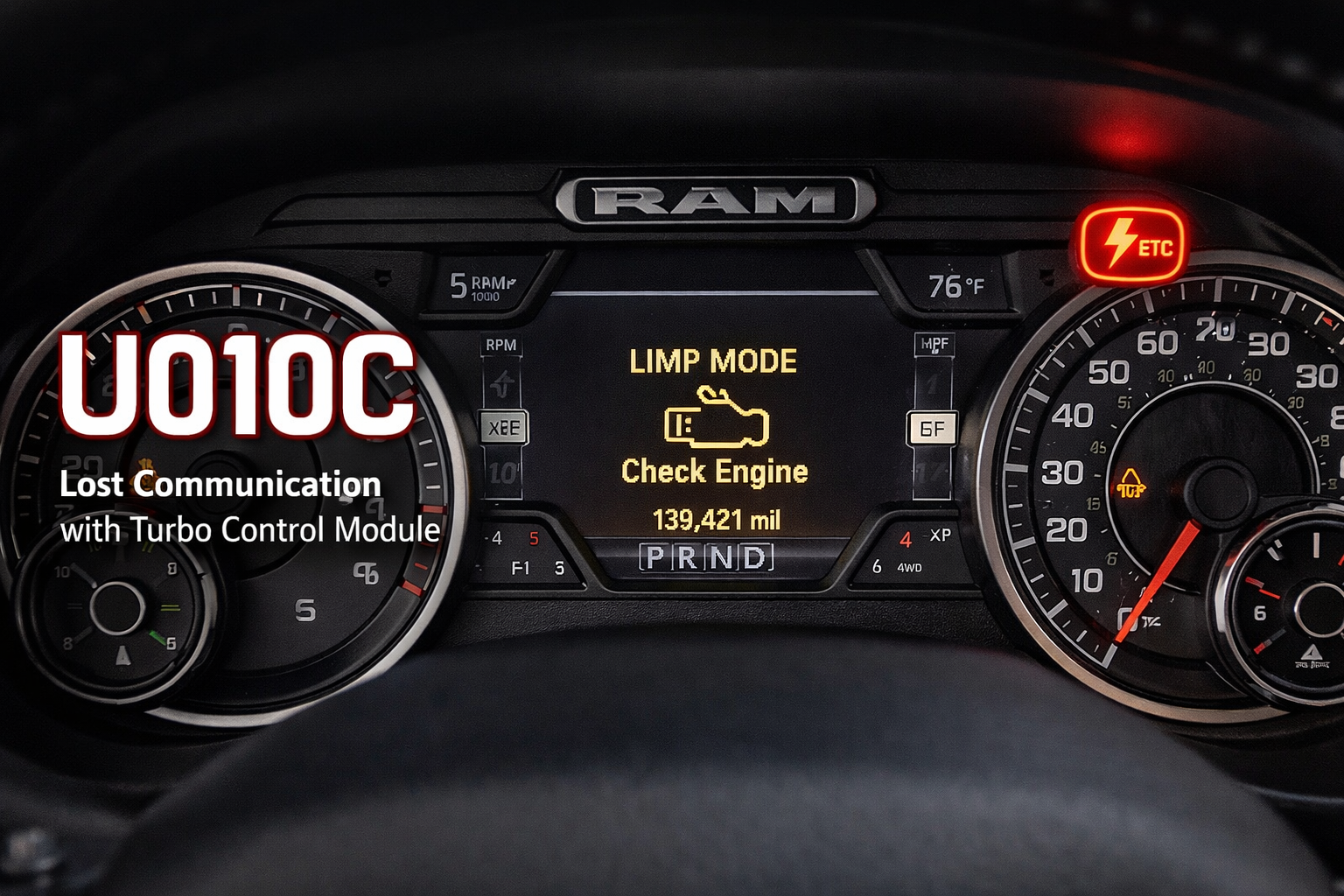
⚠️ Critical Warning for 6.7L Cummins Owners: The U010C Link
If your 6.7L Cummins triggers a U010C (Lost Communication with Turbocharger Control Module) code alongside DPF warnings, your exhaust issues have reached a dangerous tipping point.
The Mechanical Reality:
When a DPF becomes severely clogged due to high-sulfur fuel (Non-ULSD), extreme exhaust backpressure and heat are trapped directly at the turbocharger. This intense heat soak often "cooks" the internal circuit board of the VGT Turbo Actuator, causing the ECM to lose communication and forcing the truck into immediate Limp Mode.
- Financial Risk: Ignoring DPF stress can lead to an additional $800 - $1,200 repair bill for a new turbo actuator.
- Expert Insight: For off-road enthusiasts, removing the DPF restriction is the most effective way to drop EGTs (Exhaust Gas Temperatures) and prevent the premature death of your turbo electronics.
What You Can Feel While Driving
Beyond fault codes, your truck will often show obvious real-world symptoms of a stressed or failing DPF system:
- Frequent regen cycles: Normally, a truck may regen every 400–600 miles. If it is now trying to regen every 100 miles or less, ash has likely consumed much of the filter’s usable space.
- Turbo lag and power loss: Higher exhaust backpressure is like stuffing a cork in the tailpipe. The engine must work harder to push out exhaust, reducing both acceleration and fuel economy.
- Unusually high exhaust temperature: Because the system keeps attempting forced regeneration, the turbo and exhaust manifold remain at extreme temperature for extended periods, speeding up oil degradation and shortening turbo life.
Why Repair Often Only Treats the Symptom, Not the Cause
Many owners respond to these problems with forced regeneration or chemical cleaning. However, if the restriction is caused by physical ash buildup from high-sulfur fuel, those methods often provide limited results.
Performance Upgrade Logic:
Faced with repeated exhaust-system warning lights and rising maintenance costs, many owners who prioritize reliability start looking into off-road-use solutions. Installing a DPF delete kit removes those vulnerable sensors and restriction points, eliminates the risk of limp mode, and can significantly free up the engine’s restricted horsepower and torque in off-road applications.
Which Diesel Trucks Need ULSD?
Put simply, any modern diesel truck equipped with a DPF must use ULSD. In the U.S. and Canada, that includes the vast majority of medium-duty and heavy-duty diesel pickups built after 2007.
Main Engine Platforms Affected
Below are several of the most common platforms that rely heavily on ULSD:
- 6.6L Duramax (GM/Chevy): Starting with the 2007 LMM, followed by the LML (2011–2016) and later the L5P (2017–present), all of them require ULSD.
- 6.7L Cummins (Ram): Since replacing the 5.9L in 2007.5, the 6.7L Cummins has remained deeply tied to DPF-based emissions equipment. Its EGR and filtration systems have very little tolerance for sulfur contamination.
- 6.7L Powerstroke (Ford): Since Ford introduced this in-house “Scorpion” engine in 2011, it has been calibrated entirely around ULSD and DEF. Any fuel contamination can quickly trigger warning lights and faults.
How to Tell If Your Truck Requires ULSD
If you are not sure about your truck’s exact setup, use these simple checks:
- Fuel door decal: Open the fuel door and look for a sticker that says “Ultra Low Sulfur Diesel Fuel Only.”
- Instrument cluster menu: Look for menu items such as “Exhaust Filter % Full” or “DPF Soot Level.”
- Tailpipe check: A truck equipped with a factory DPF usually has a very clean tailpipe. If the inside of the tip stays nearly spotless, the truck almost certainly requires ULSD.
OEM Warranty vs. Long-Term Reliability
For trucks still under warranty, using non-compliant fuel can void emissions-system coverage. But for owners of higher-mileage trucks that are already out of warranty and dealing with repeated DPF blockages or recurring sensor failures, the situation becomes more complicated.
Industry Insight:
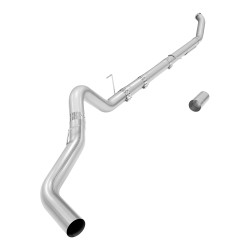
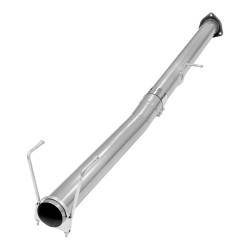
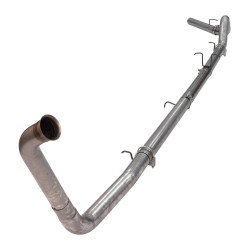
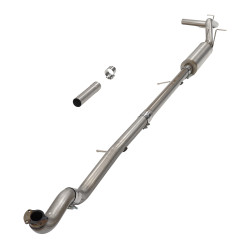
Once repair costs start climbing into the thousands, many owners look for more cost-effective off-road-use solutions. By installing a DPF delete kit, they can bypass strict fuel-quality dependency and let the engine deliver the reliability and performance it was capable of in unrestricted off-road environments.
Conclusion: Protect Your DPF One Tank at a Time
DPF systems must use ULSD because these precision aftertreatment components were specifically engineered for a low-sulfur environment. ULSD helps reduce harmful deposits, supports proper regeneration cycles, and protects your 6.6L Duramax, 6.7L Cummins, or 6.7L Powerstroke from expensive repair situations.
Using the wrong fuel can lead to frequent regens, higher backpressure, and reduced engine performance. While some owners dealing with repeated emissions failures eventually begin researching off-road solutions such as a DPF delete kit, the core conclusion is very clear: ULSD is the only fuel modern DPF-equipped trucks were built to survive on.
Share your experience with us:
Has your truck recently started going through frequent regens? Or are you considering moving away from emissions-system maintenance and toward a more complete off-road performance solution?
If you have questions about DPF maintenance or want to learn more about off-road-use solutions, leave a comment below or contact our technical team directly.