

"How durable is this heavy-duty diesel engine?" This comes to the mind of every Ford Super Duty owner at some point. Since its debut in 2011, the 6.7 Powerstroke has built a reputation for strong performance, solid towing capability, and long-term reliability when properly maintained.
But reputation alone doesn't answer the real concern: how long does a 6.7 Powerstroke last in the real world? With proper maintenance, most 6.7 Powerstroke engines can last 300,000 to 500,000 miles, while high-mileage engines can exceed 600,000 miles. This article focuses on 6.7 Powerstroke life expectancy, its high-mileage performance, and tips for extending engine life.

What Is the 6.7 Powerstroke Life Expectancy?
From the factory standpoint, Ford does not publish a fixed mileage limit. However, Ford's internal durability testing aligns with an engine service life of roughly 200,000–250,000 miles under standard duty cycles. That's the conservative baseline.
How Long Will a 6.7 Powerstroke Last Based on Annual Mileage?
| Annual Mileage | Estimated Lifespan |
| 12,000-15,000 miles | 15-20+ years |
| 20,000-25,000 miles | 10-15 years |
| 30,000+ miles | 7-10 years |
Highest Mileage 6.7 Powerstroke Examples (Real-World Data)
On forums like PowerStroke.org and other diesel communities, well-maintained trucks regularly exceed 300,000 miles, with many documented cases crossing 400,000–500,000 miles without engine rebuilds.
Some of the highest mileage 6.7 Powerstroke examples reported online have surpassed 600,000 miles, primarily in highway-driven fleet or towing applications with strict maintenance schedules.
6.7 Powerstroke Lifespan Compared to Other Powerstroke Engines
| Engine | Typical Lifespan |
| 7.3L Powerstroke | 400k-600k miles |
| 6.0L Powerstroke | 250k-350k miles |
| 6.4L Powerstroke | 200k-300k miles |
| 6.7 Powerstroke | 300k-500k+ miles |
By modern emissions-era standards, the 6.7 Powerstroke life expectancy ranks near the top.
Factors That Impact 6.7 Powerstroke Longevity
Not every truck reaches high mileage, and the reasons are predictable.
1. Maintenance Habits (Most Important Factor)
Oil and filter changes cannot be ignored. Old oil wears turbos, bearings, and valvetrain faster, especially with soot buildup from diesel combustion. Skipped service intervals are one of the fastest ways engine wear accelerates over time.
2. Operating Conditions
Heavy towing, short trips, excessive idling, and stop-and-go driving all increase wear. Highway cruising at steady RPM is where high mileage 6.7 Powerstroke engines thrive.
3. Emission System Status
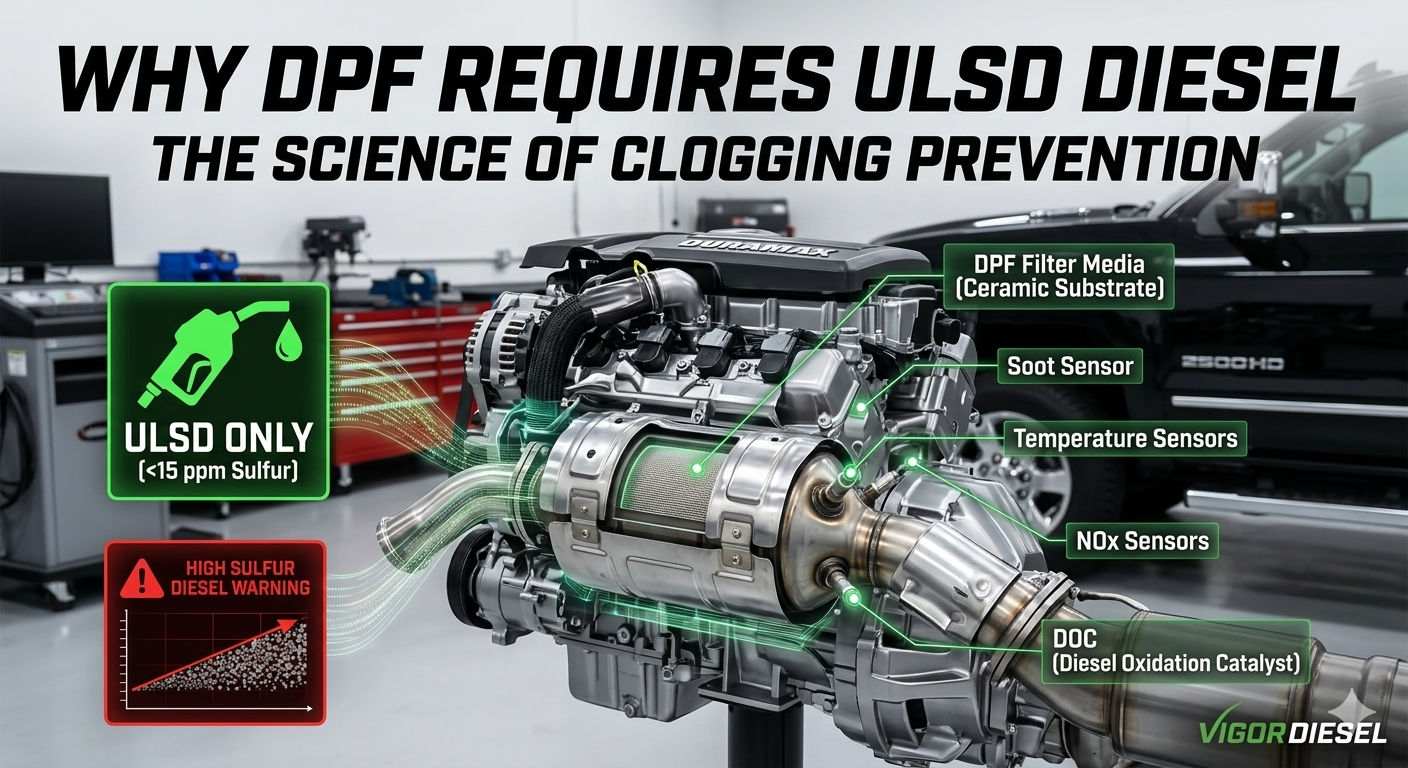
The original equipment manufacturer's diesel particulate filter (DPF) and exhaust gas recirculation (EGR) system introduce heat and soot into the oil system. In the long run, this stress can impair engine reliability.
4. Year and Model Improvements
Early 2011–2014 models saw issues with turbo failures and CP4 fuel pumps. Improvements from 2015 onward, and again after 2020, significantly improved reliability in fuel, turbo, and cooling systems.
How to Maximize Your 6.7 Powerstroke's Lifespan (Proven Tips)
Extending life expectancy isn't complicated—but it does require discipline.
1. Oil, Viscosity, and Change Intervals
Use diesel oil meeting Ford WSS-M2C171-F1 specs. Stick to 7,500–10,000-mile oil changes for working trucks, even if the oil life monitor says otherwise.
2. The Gold Standard for Filters
Cheap filters cost engines. High-quality oil, fuel, and air filters protect injectors, turbos, and cylinder walls over the long haul.
3. Proactive System Monitoring
Watch coolant temps, fuel pressure, and regen frequency. Upgraded cooling components and fuel filtration systems pay dividends at high mileage.
4. Emissions Modifications
For off-road or competition-only applications, some owners choose EGR delete and DPF delete setups to reduce soot accumulation and exhaust heat. However, these modifications are not legal for on-road use in many regions and may impact emissions compliance. Always verify local regulations before proceeding.
5. Driving Habits
Avoid excessive idling, let the engine warm properly, and don't shut down immediately after hard towing. Over hundreds of thousands of miles, consistent driving habits can have a measurable impact on engine longevity.
6.7 Powerstroke vs. Competitors: Lifespan Comparison
While all three are modern 6.7L diesels, their real-world durability and high-mileage performance can differ significantly.
| Engine | Average Lifespan |
| 6.7 Powerstroke | 300k-500k+ miles |
| 6.7 Cummins | 350k-600k miles |
| 6.7 Duramax (LML/L5P) | 300k-500k miles |
Overall, the 6.7 Powerstroke delivers competitive lifespan while balancing towing capability and reliability.
FAQs about 6.7 Powerstroke Life Expectancy
- 2015: ~300,000–400,000+ miles (second-generation improvements)
- 2017: Similar to 2015, often reliable toward the higher end of that range.
- 2020: ~400,000–500,000+ miles (third-generation refinements)
Conclusion
The 6.7 Powerstroke life expectancy comfortably sits between 300,000 and 500,000 miles, with even higher mileage possible under the right conditions. Maintenance quality, driving habits, and proper system monitoring matter more than the badge on the grille.
Treat it right, and a 6.7 Powerstroke isn't just a workhorse—it's a long-term investment. Have real-world experience or high-mileage stories? Share with us in the comments!