

For many owners of the 6.7L Powerstroke engine, the increase in fuel consumption seems to happen gradually—until one day, the problem becomes undeniable. You might find yourself needing to refuel more frequently, watching your average fuel consumption drop, or wondering why it's decreasing so quickly.
This guide details what excessive fuel consumption in modern diesel engines really means, the most common causes of poor fuel economy , how to pinpoint the root cause, and what measures can effectively improve fuel efficiency.
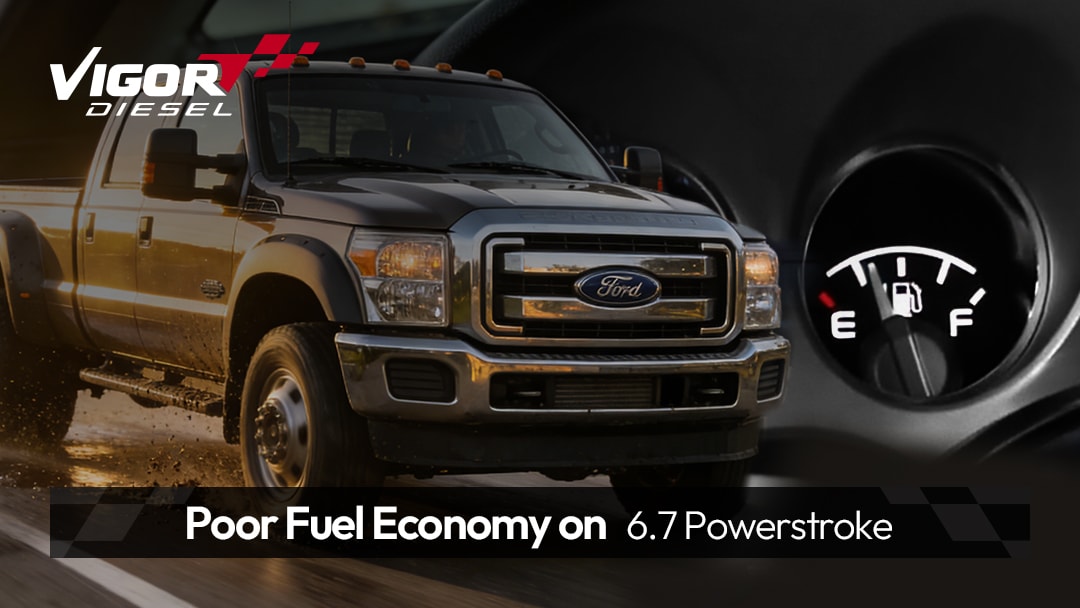
What Is Poor Fuel Economy?
Meaning of Poor Fuel Economy
Poor fuel economy, also known as bad fuel consumption or low MPG, refers to a significant increase in fuel consumption under the same driving conditions.
What Are the Standards for Poor Fuel Economy in a 6.7 Powerstroke Engine?
While MPG varies depending on driving style, load, and model year, typical fuel consumption for most stock 6.7 Powerstroke trucks is as follows:
- Highway: Approx. 17–20 MPG
- City: Approx. 13–16 MPG
- Trailer: Approx. 8–12 MPG (depending on load)
If your fuel consumption is consistently below the above range or 3–5 mpg (your own benchmark), it may indicate poor fuel economy, high fuel consumption, or low fuel efficiency.
Common Symptoms of Poor Fuel Economy in a 6.7 Powerstroke
High fuel consumption is often accompanied by other symptoms, including:
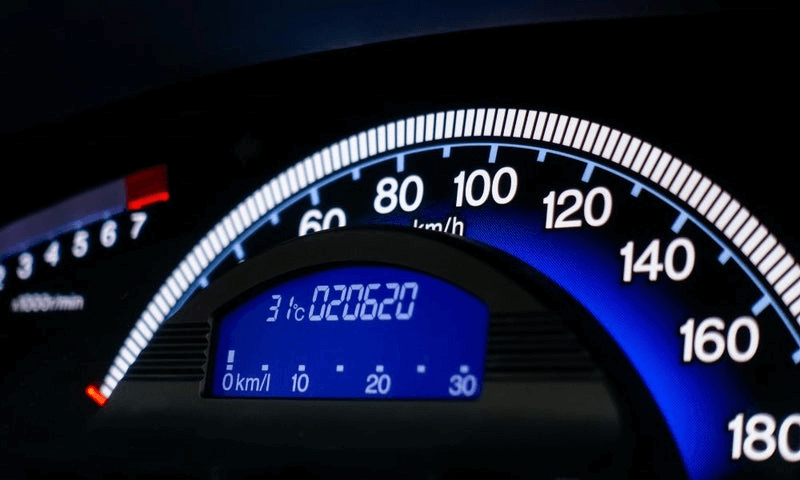
- Lower than usual mileage per gallon;
- Increased fuel consumption despite unchanged driving habits;
- Increased refueling frequency;
- Decreased mileage per tank of gas;
- Fuel consumption decreasing week by week;
- Average fuel consumption displayed on the trip computer showing a continuous decrease;
- Slow throttle response or decreased power;
- Increased black smoke from the exhaust pipe;
- Unstable idling or abnormal engine noise;
- More frequent or longer DPF regeneration;
It is worth noting that increased fuel consumption may not trigger fault codes or the engine malfunction light, making it easily overlooked.
What Causes Poor Fuel Economy on a 6.7 Powerstroke?
1. Driving Habits & Operating Conditions
Even a healthy engine will lose MPG under certain conditions:
- Sustained speeds above 70 mph
- Heavy towing or overloading
- Frequent short trips (engine never fully warms up)
- Excessive idling
Short trips are especially problematic because they increase DPF regeneration frequency, which consumes additional fuel.
2. Air & Fuel System Restrictions
Efficient combustion depends on proper airflow and fuel delivery. Any restriction can increase fuel usage:
- Dirty air filter
- Clogged fuel filter
- Boost leaks or intercooler leaks
- Faulty MAP or airflow sensors
- Low fuel rail pressure
When airflow or fuel pressure becomes unstable, the engine compensates by injecting more fuel, reducing efficiency.
3. Cooling System & Injector Issues
The 6.7L Powerstroke is sensitive to operating temperature and injection quality:
- Stuck-open thermostat (engine runs cold)
- Worn or imbalanced injectors
- Excessive injector return fuel
Running below optimal temperature forces the engine to stay in a richer fueling strategy, increasing consumption.
4. Emissions System & Regeneration Cycles
On modern 6.7L trucks, emissions systems are one of the most common causes of poor fuel economy.
- Frequent DPF regeneration
- Excessive soot buildup
- Faulty NOx sensors
- DEF system inefficiencies
During active regeneration, extra fuel is injected to raise exhaust temperatures. If regens occur too often, average MPG can drop significantly—especially in city driving.
How to Fix Poor Fuel Economy on a 6.7 Powerstroke
Step 1: Diagnose the Problem First
Don't blindly replace parts. First, you need to manually calculate the actual fuel consumption (MPG). Additionally, even if the engine malfunction indicator light is not illuminated, use an OBD-II scanner to check stored fault codes and view real-time data.
Step 2: Basic Repair (Low Cost, Easy to Do Yourself)
Start with the basics.
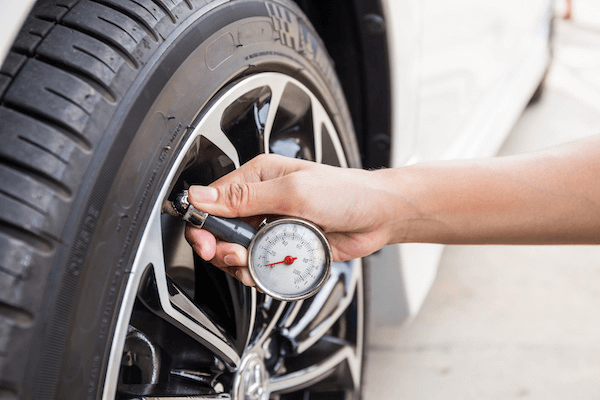
- Replace the air filter and fuel filter.
- Check tire pressure and wheel alignment.
- Reduce idling time.
- Use manufacturer-recommended engine oil.
These steps alone can significantly improve the problem of excessive fuel consumption.
Step 3: Emissions System Repair (Critical for the 6.7L Powerstroke Engine)
The emissions system is one of the main causes of high fuel consumption in diesel vehicles, especially including:
- Frequent DPF regeneration requires post-injection, which increases fuel consumption.
- The EGR system recirculates exhaust gases into the intake airflow, thus reducing combustion efficiency.
For drivers troubled by these systems, there is a permanent solution. A high-quality EGR and DPF delete kit can remove these restrictive components, allowing the engine to breathe freely and operate at its designed efficiency. (Note: Modifying emissions equipment may violate federal and local laws. Vigor Diesel products are for off-road and racing use only.)
Step 4: Professional Engine Repair (Serious Issues)
If basic repairs fail to resolve the issue, there may be a deeper problem. Seek assistance from a trusted diesel engine mechanic for the following checks:
- Professional diagnostics of faulty sensors (oxygen sensor, flow meter).
- Fuel system testing, including injector balancing and high-pressure fuel pump output.
- Turbocharger leak or wear inspection.
Preventive Maintenance to Avoid Excessive Fuel Consumption
Preventing excessive fuel consumption is much easier than fixing it. Follow the maintenance schedule outlined in the manufacturer's guidelines, including:
- Every 10,000-15,000 miles: Replace the engine air filter and fuel filter.
- Every 5,000-7,500 miles: Change the engine oil and oil filter, using genuine factory-specified oil.
- Every tire rotation (approximately 5,000-7,500 miles): Check and adjust tire pressure. Perform a four-wheel alignment annually, or if the vehicle is found to be pulling to one side.
- Regularly: Use a fuel additive containing a fuel cleaner to keep the fuel injectors clean. Regularly drive the truck on the highway for at least 30 minutes continuously to allow the DPF to complete a full regeneration cycle.
FAQs About 6.7 Powerstroke Poor Fuel Economy
Conclusion
High fuel consumption in the 6.7-liter Powerstroke engine is a common problem, but not unavoidable. It is often caused by improper maintenance, poor driving habits, or an inefficient emissions system.
It is recommended to start with basic maintenance, but if you have found that the root cause lies in limitations of the DPF and EGR systems, then you may consider Vigor Diesel's solutions. If necessary, schedule a diagnostic check at a diesel engine repair shop.