

Fixing a P2002 code on 6.7 Powerstroke can cost as little as $150 or climb past $4,000 if the Diesel Particulate Filter needs replacement. That wide cost range is why Ford P2002 warnings worry Super Duty owners.
But don't worry, this guide will explain the meaning of the DTC P2002 fault code, whether it's safe to drive, common symptoms and causes, diagnostic methods, repair options, cost estimates, affected Ford models, and preventative tips.
- P2002 indicates reduced Diesel Particulate Filter Efficiency Below Threshold Bank 1.
- Common on Ford 6.7L Powerstroke diesel engines.
- Often caused by soot buildup or failed regeneration.
- Ignoring it can lead to limp mode and high repair costs.
- Early diagnosis can prevent DPF replacement.
What Does P2002 Mean?
P2002 code means Diesel Particulate Filter Efficiency Below Threshold (Bank 1).
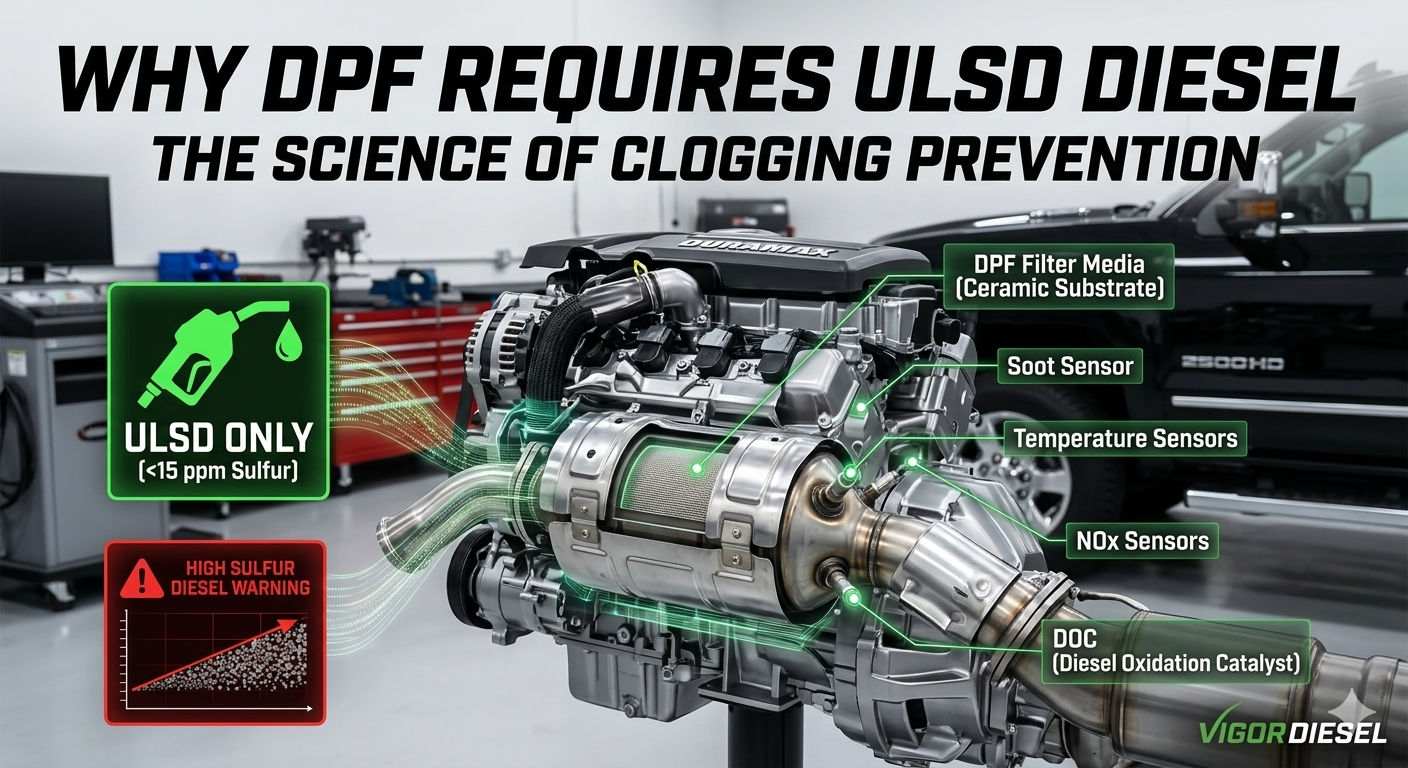
The function of the diesel particulate filter (DPF) is to capture and remove particulate matter from diesel engine emissions. The powertrain control module (PCM) monitors the exhaust pressure changes before and after the DPF in real time to determine its efficiency. When the DPF's particulate filtration efficiency is detected to be below a set threshold, Ford fault code P2002 is triggered. On the 6.7L Powerstroke engine, this is typically caused by excessive soot load or frequent short-distance driving.
Common Symptoms of P2002 Code on 6.7 Powerstroke
The Check Engine Light (CEL) lights up when a P2002 Ford code is detected. Other symptoms may include:
- Reduced engine power
- Poor fuel economy
- Frequent regeneration cycles
- Failed or incomplete regeneration
- Elevated exhaust temperatures
- Failed emissions test
In the early stages, symptoms are often mild. Many owners report normal driving with only a CEL. If ignored, the truck may enter reduced power or limp mode to protect the exhaust system.
Possible Causes of 6.7 Powerstroke P2002 Code
Several issues can trigger this Ford code P2002:
- Excessive soot buildup in the DPF: Prevents proper filtration and regeneration.
- Incomplete regeneration cycles: Common with short trips or frequent engine shutoffs.
- Faulty DPF differential pressure sensor: Sends incorrect efficiency data to the PCM.
- Blocked or cracked sensor hoses: Skews pressure readings.
- Exhaust leaks upstream of the DPF: Alters temperature and pressure measurements.
- Failed exhaust temperature sensors: Disrupt regeneration control logic.
- Outdated PCM calibration: Misinterprets normal DPF performance.
How to Diagnose P2002 on 6.7 Powerstroke
Diagnosing DTC P2002 code on 6.7 Powerstroke starts with checking sensor data, regen history, and exhaust flow.
Tools needed: OBD-II scanner with live data, multimeter, and service manual.
- Step 1: Scan for P2002 and related DPF or exhaust codes.
- Step 2: Review freeze-frame data for exhaust temperature and regen history.
- Step 3: Check whether regenerations are completing successfully.
- Step 4: Inspect the differential pressure sensor and hoses for blockage or damage.
- Step 5: Look for exhaust leaks before the DPF.
- Step 6: Verify exhaust temperature sensor readings.
- Step 7: Perform a forced regeneration if soot loading allows.
DIY diagnosis is possible for sensor checks. Forced regens and PCM updates typically require professional equipment.
Repair Solutions for P2002 on 6.7 Powerstroke
Start with the least expensive fixes for Ford code P2002:
1. Forced DPF regeneration
Burns off excess soot if the filter is still serviceable.
2. Replace the DPF pressure sensor or hoses
Restores accurate exhaust pressure readings.
3. Repair exhaust leaks
Prevents false efficiency calculations.
4. Professional DPF cleaning
Removes ash and soot when regeneration alone fails.
5. DPF replacement
Required when the filter reaches its service limit.
6. Long-term solution: DPF delete (off-road use)
Where emissions laws allow, a Vigor Diesel Powerstroke DPF Delete Pipe removes the restriction and permanently prevents DPF efficiency faults.
Note: DPF delete pipes and similar exhaust modifications are meant for off-road or non-emissions-controlled use only and may not be legal for street-driven vehicles. Always verify local emissions regulations before installation.
Vehicles Commonly Affected by P2002 Code
P2002 appears more often on certain Powerstroke models than others.
| Make | Model | Years | Notes |
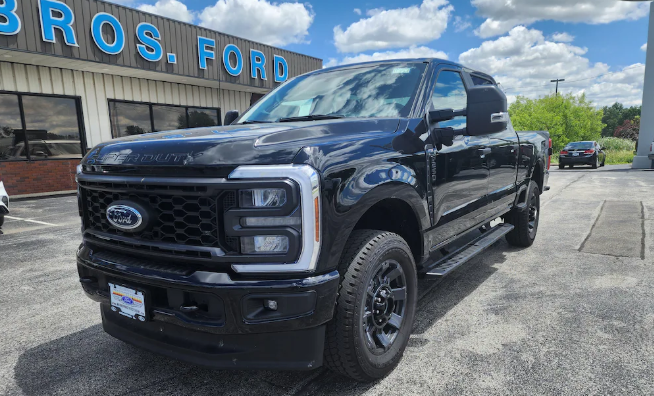
| Ford | F-250 Super Duty | 2011-2022 | High incidence in city-driven trucks |
| Ford | F-350 Super Duty | 2011-2022 | Common during towing use |
| Ford | F-450/F-550 | 2011-2022 | Heavy-duty soot loading |
Trend: Trucks that idle often or make short trips are more prone to Ford DTC P2002.
Repair Cost Estimate for P2002 Fault Code
Repair costs for P2002 Ford depend on whether the issue is a sensor fault or a clogged DPF.
| Repair Item | Estimated Cost |
| Diagnostic scan | $100-$150 |
| DPF differential pressure sensor development | $200-$350 |
| Forced regeneration | $150-$300 |
| DPF cleaning | $400-$800 |
| DPF replacement | $2,000-$4,000+ |
In the long run, a delete kit can reduce repeated DPF maintenance, but it's intended for off-road use and may not be legal on public roads.
Prevention Tips for P2002
Good driving habits and regular maintenance can help prevent repeated Ford code P2002 on the 6.7 Powerstroke.
- Allow regenerations to complete: Interrupting regen leads to soot accumulation.
- Avoid constant short trips: Longer drives support passive regeneration.
- Use high-quality diesel fuel: Reduces particulate production.
- Inspect sensors and hoses regularly: Prevents false DPF efficiency readings.
- Address warning lights early: Early repairs reduce long-term costs.
For off-road applications, DPF delete systems can permanently eliminate repeated DPF-related faults.
FAQs About P2002 Code on 6.7 Powerstroke
Conclusion
The P2002 code on a 6.7 Powerstroke usually starts small. You might not feel anything wrong at first. Let it linger, though, and regenerations fail, power drops, and repairs get expensive fast. Checking sensors, leaks, and regen cycles early can save you a lot of stress and cash.
If Ford P2002 keeps coming back, call a diesel tech sooner rather than later. Keep this guide handy, don’t ignore warning lights, and where legal, try Vigor Diesel’s exhaust upgrades to finally stop recurring DPF headaches for good.