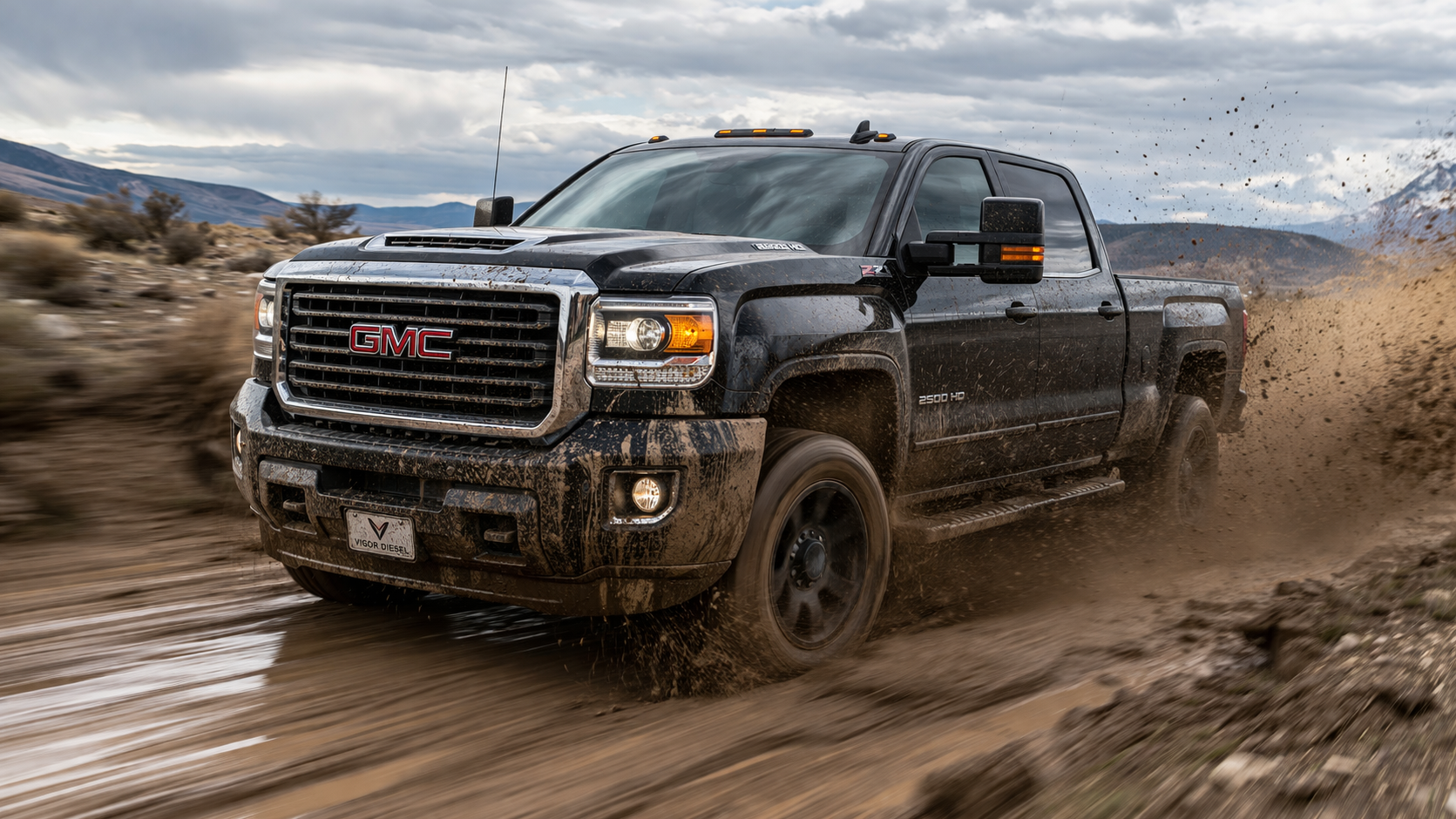


The 6.6L LMM Duramax engine (2007.5–2010) is known for strong torque and long-term durability. However, LMM Duramax problems—especially DPF clogging, EGR buildup, and low fuel rail pressure—are common concerns for owners. Whether you drive a 2007, 2008, 2009, or 2010 model, understanding these Duramax LMM problems is essential for maintaining reliability.
Understanding the Duramax LMM Engine
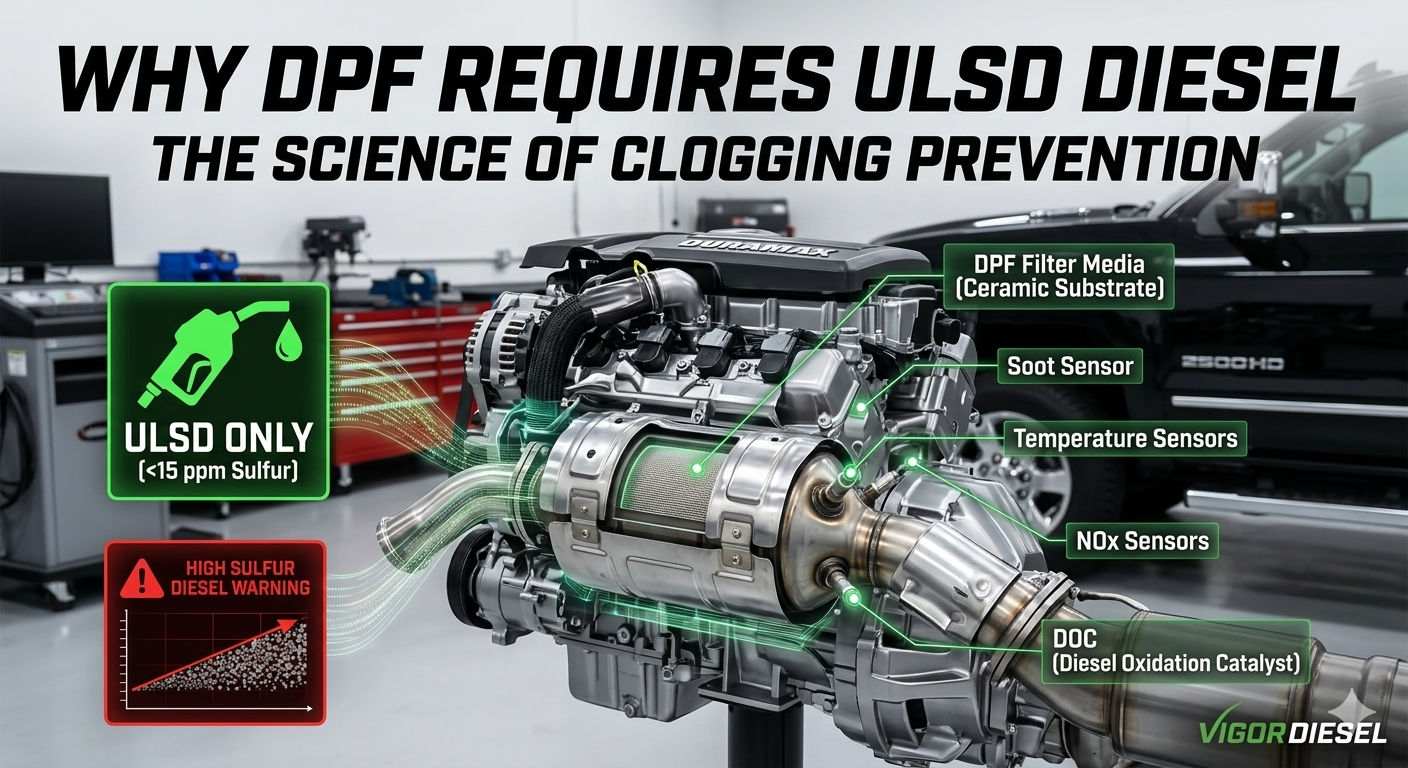
Before delving into the specific issues with the Duramax LMM engine, it's helpful to understand its place within the Duramax lineup. The LMM engine is mechanically very similar to the highly regarded LBZ engine, sharing the same powerful underbody structure and reliable Bosch CP3 fuel pump. The key difference lies in the addition of a diesel particulate filter (DPF) in the exhaust system to meet 2007 emissions standards. This single component is the root cause of many problems with the 2008 and later Duramax LMM engines.
Engine Specifications
- Engine Code: LMM Duramax
- Model Years: 2007.5 – 2010
- Displacement: 6.6L V8 Turbo Diesel
- Fuel System: Bosch Common-Rail Direct Injection with CP3 Pump
- Emissions Equipment: Exhaust Gas Recirculation (EGR) and Diesel Particulate Filter (DPF)
- Horsepower: ~365 hp
- Torque: ~660 lb-ft
6 Common LMM Duramax Problems
The following are the most common problems found in 2007-2010 LMM Duramax models, based on owner reports and repair records.
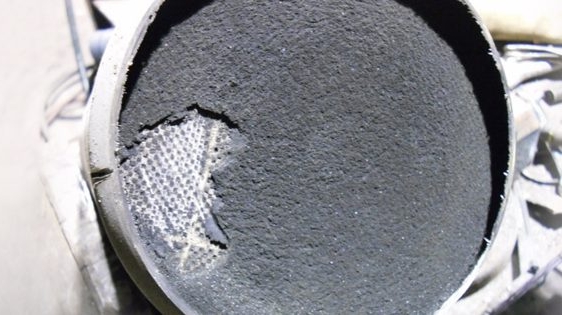
1. Clogged Diesel Particulate Filter (DPF)
This is one of the most common issues with the 6.6-liter LMM Duramax engine.
Symptoms:
- Frequent regeneration cycles
- High exhaust temperature
- Increased fuel consumption
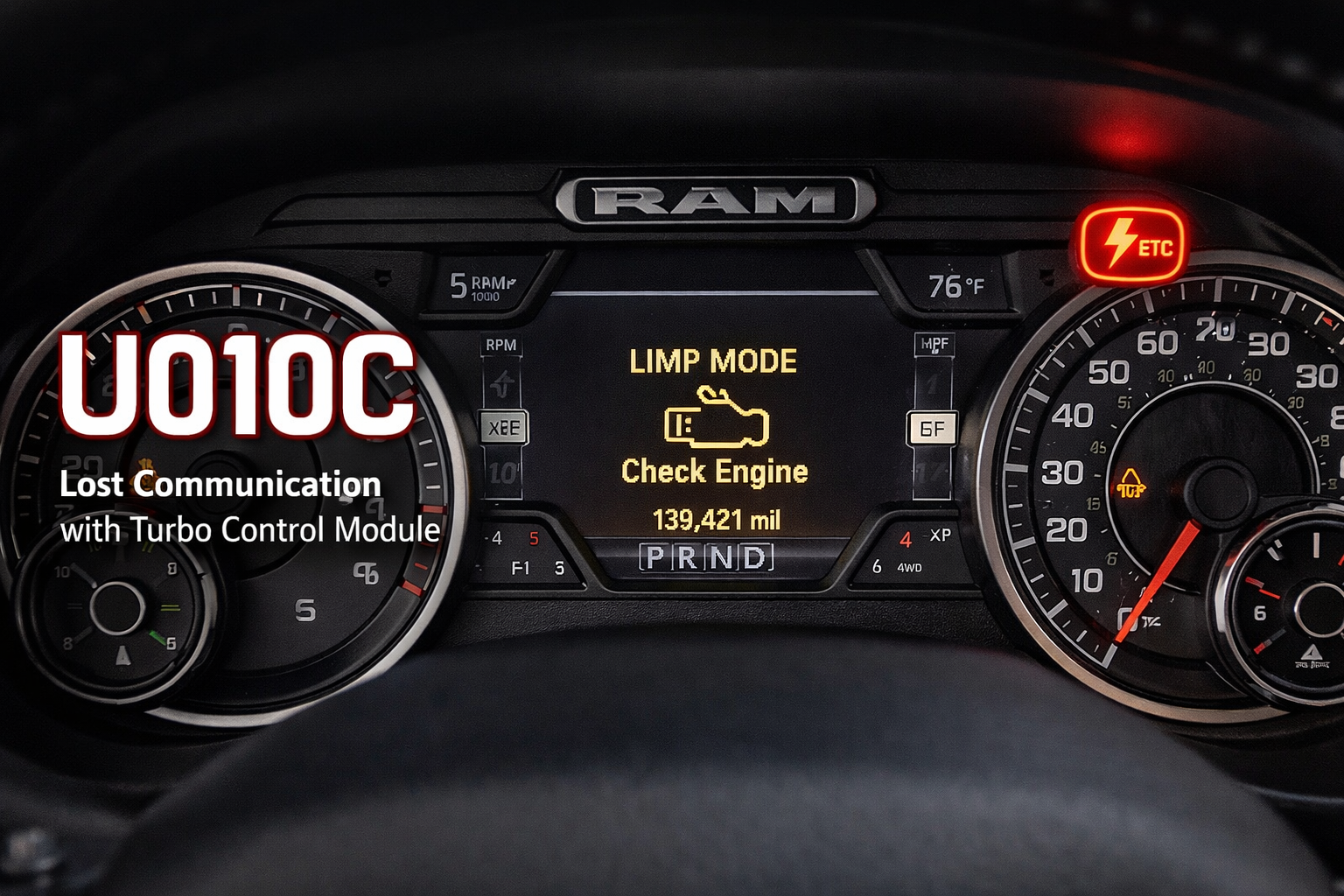
- Limp mode
- "Exhaust system inspection" warning
Causes: Short drives, prolonged idling, and heavy towing can hinder complete DPF regeneration. Over time, the DPF gradually becomes clogged, causing problems in the LMM Duramax engine.
Solutions:
- Extend highway driving mileage to promote passive regeneration.
- Replace the DPF (expensive, but only a temporary solution).
- Install a Vigor Diesel DPF delete kit (off-road only) to permanently resolve the problem.
2. EGR Valve and Cooler Carbon Deposits
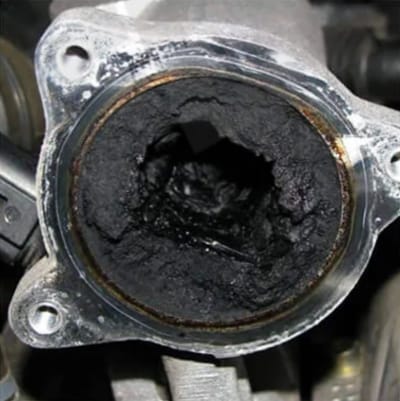
This is another very common LMM Duramax problem.
Symptoms:
- Unstable idling
- Engine malfunction light illuminated
- Slow throttle response
- Black carbon buildup in the intake manifold
Cause: The EGR system recirculates exhaust gases into the intake manifold. Over time, this buildup produces carbon deposits, restricting airflow and increasing intake temperature.
Solutions:
- Clean EGR components (frequent cleaning required).
- Replace the faulty cooler/valve.
- Use the Vigor Diesel EGR delete kit (off-road use only) to remove carbon deposits.
3. Low Fuel Rail Pressure (P0087)
The Bosch CP3 injection pump on LMM models is far more reliable than the CP4 injection pump on later LML models. However, it is not immune to failure, especially with contaminated fuel or excessive mileage. This problem is often associated with the troublesome P0087 fault code.
Symptoms:
- Decreased power under load
- Limp mode during acceleration
- Poor traction
- P0087 fault code
Causes: Degraded CP3 injection pump performance, clogged fuel filter, fuel line leaks, or a faulty fuel pressure regulator.
Solutions:
- Replace the fuel filter regularly
- Check for air leaks in the fuel lines
- Upgrade fuel system components
- Test the health of the CP3 injection pump
4. Glow Plug Failure (Common in Early 2007 Models)
Early LMM models, especially the 2007 LMM Duramax, are known for glow plug problems. These glow plugs are often referred to as "hot plugs" because they are prone to overheating and expansion.
Symptoms:
- Difficulty starting cold
- White/gray smoke during startup
- Glow plug-related fault codes
- Glow plug expansion, sticking
Causes: Factory ECM calibration, glow plug control module (GPCM) failure, or electrical problem.
Solutions:
- Replace the faulty glow plug
- Update the ECM software to the latest calibration version
- Test and replace the glow plug control module (GPCM)
5. Transmission Cooling Hose Leak
While not strictly an engine problem, this is a notorious issue plaguing these trucks.
Symptoms:
- Reddish transmission fluid stains
- Transmission overheating
- Slippage or jerking during shifts
Causes: Original factory hoses aging near the hot exhaust pipe; high-load traction exacerbates the leak.
Solutions:
- Replace with upgraded braided hoses
- Inspect and rearrange the hoses away from heat sources.
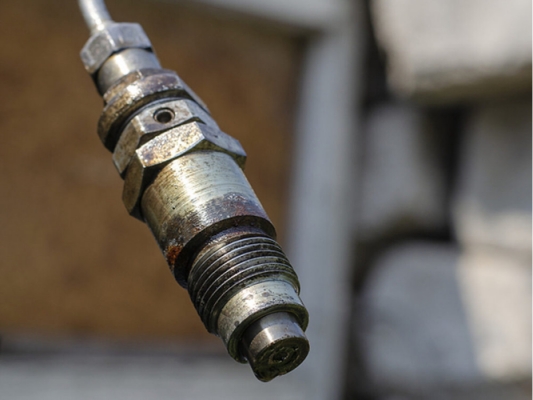
6. LMM Duramax Injector Issues
While injector failure is not as common in LMM engines as it was in the earlier LB7 engines, it can still occur at high mileage.
Symptoms:
- Unstable idling
- Smoke upon starting
- Misfire
- Poor fuel atomization
Causes: Fuel contamination, low fuel rail pressure, or wear due to excessive mileage.
Solutions:
- Test injector balance
- Use fuel additives
- Replace the faulty injector
Which Year LMM Duramax to Avoid?
- 2007 LMM Duramax: Some issues with early glow plugs and ECM calibration.
- 2008 LMM Duramax: Higher reliability, but DPF/EGR is still prone to failure.
- 2009 LMM Duramax: Improved performance, stable operation.
- 2010 LMM Duramax: The most complete model in the LMM series.
Overall, there's no need to completely avoid buying any particular year's model. No year's model is truly "bad"—LMM Duramax problems are almost entirely related to the emissions system, not core engine components.
Inspecting a Used LMM Duramax (Buying Guide)
If you're considering a 2007.5–2010 truck like the Chevrolet Silverado 2500HD or GMC Sierra 2500HD, a quick but thorough inspection can help you avoid costly LMM Duramax problems.
Engine & Cooling System
- Check for excessive blow-by (heavy smoke from oil cap at idle).
- Look for coolant leaks or milky residue (possible head gasket issue).
- Scan injector balance rates (ideal: -4 to +4 mm³).
- Watch for codes like P0087 or P1093.
DPF & Emissions
- Ask if the DPF has been serviced.
- Check for frequent regen or exhaust warning lights.
Transmission (Allison 1000)
- Smooth shifting with no slipping or limp mode.
- Fluid should be clean and red, not burnt.
Frame & Suspension
- Inspect for structural rust.
- Check front-end components for wear.
A well-maintained, mostly stock truck with service records is far safer than a heavily modified one with unknown history.
How to Prevent LMM Duramax Problems
Preventative maintenance is the most effective way to ensure the life of your 6.6L LMM engine and avoid the most common Duramax LMM problems.
1. Develop Good Driving Habits
- Frequent highway driving helps with DPF passive regeneration.
- Avoid prolonged idling.
2. Strictly Adhere to the Maintenance Schedule
- Change your engine oil every 5,000 miles, using high-quality oil that meets CJ-4 or CK-4 standards.
- Change your fuel filter every 10,000 to 15,000 miles.
- Regularly check all fluid levels, including coolant, transmission fluid, and differential fluid.
3. Perform Proactive Inspections
- Use scanning tools to check for pending or historical fault codes.
- Monitor the frequency of truck regeneration.
- Regularly inspect the transmission cooling lines, radiator, and all hoses for leaks or signs of wear.
Frequently Asked Questions About LMM Duramax Problems
Conclusion
The 6.6-liter LMM Duramax engine is a powerful and practical engine, but its problems almost entirely stem from the DPF and EGR systems. Whether you drive a 2007, 2008, 2009, or 2010 model, addressing emissions restrictions is the best way to improve reliability, power, and lifespan.
For off-road use, Vigor Diesel offers a proven DPF and EGR removal kit that eliminates the root cause, lowers exhaust gas temperature (EGT), improves fuel economy, and completely resolves most common LMM Duramax issues.
Legal Notice: Modifying the DPF/EGR system for on-road driving may violate local emissions regulations. This content is for educational and off-road racing purposes only. Always comply with vehicle emissions regulations in your area.