

The Love-Hate Relationship with the 6.4L Powerstroke
If we are talking about the 6.4 Powerstroke years, the answer is clear: 2008 to 2010. For many Ford Super Duty owners, these three years represent an extreme paradox—top-tier performance trapped within a cycle of mechanical failure.
The King of Torque: Why the 6.4L Is So Captivating
At its launch, the 6.4L Powerstroke specs were revolutionary. It was Ford’s first pickup engine to feature a factory Compound Turbo (sequential turbo) setup, delivering 350 HP and a massive 650 lb-ft of torque. Whether you drive a 2008 F250, a 2009 F250, or a 2010 F250, a healthy 6.4L offers an incredible driving experience:
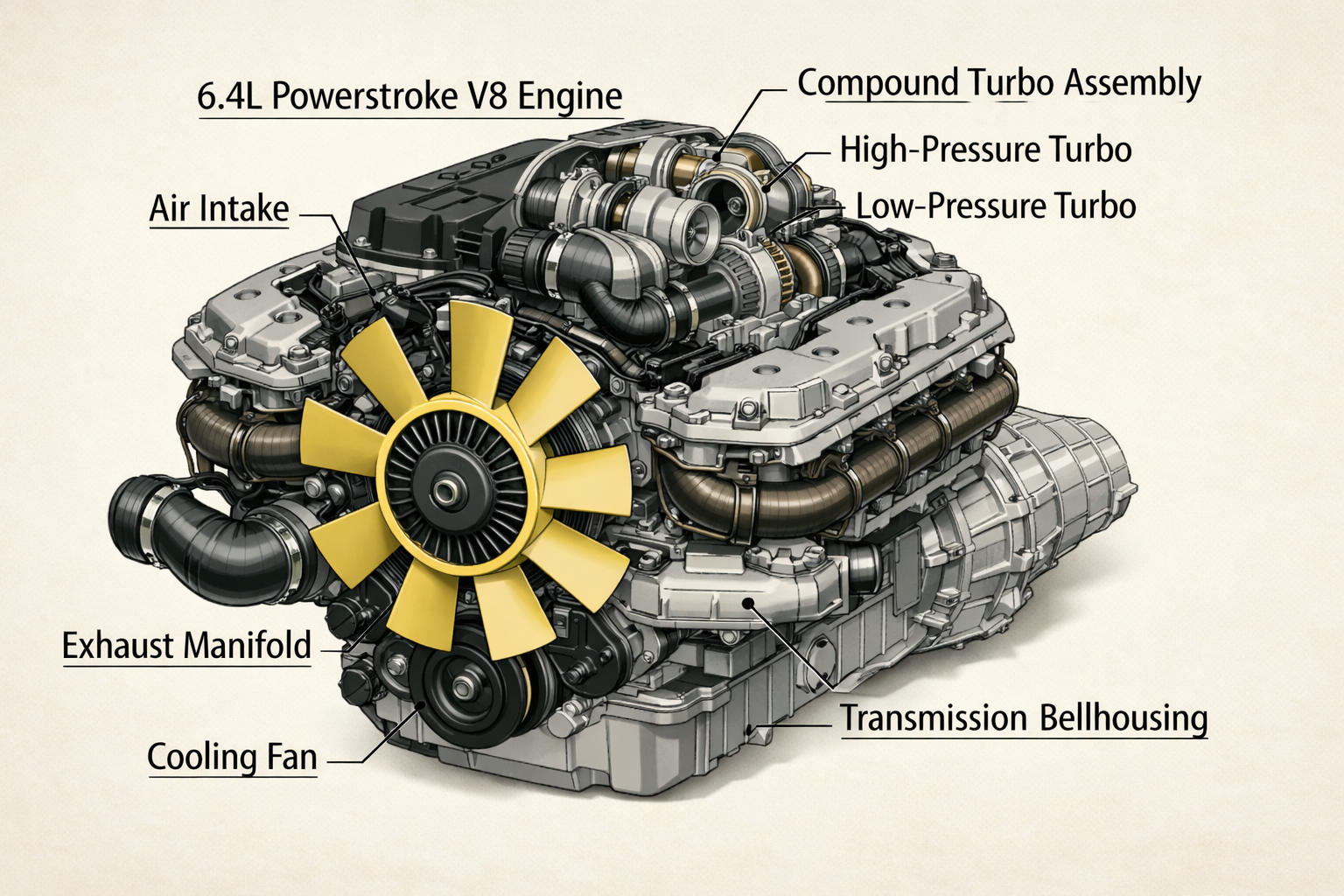
- Rapid Low-End Response: The small high-pressure turbo builds boost instantly to eliminate lag.
- Consistent Top-End Power: The large low-pressure turbo provides sustained thrust for heavy towing.
- Sports-Car Acceleration: It turned heavy-duty trucks into high-performance machines, still regarded today as one of the best-driving Powerstrokes ever made.
The Tragedy: A Powerhouse Strangled by Emissions
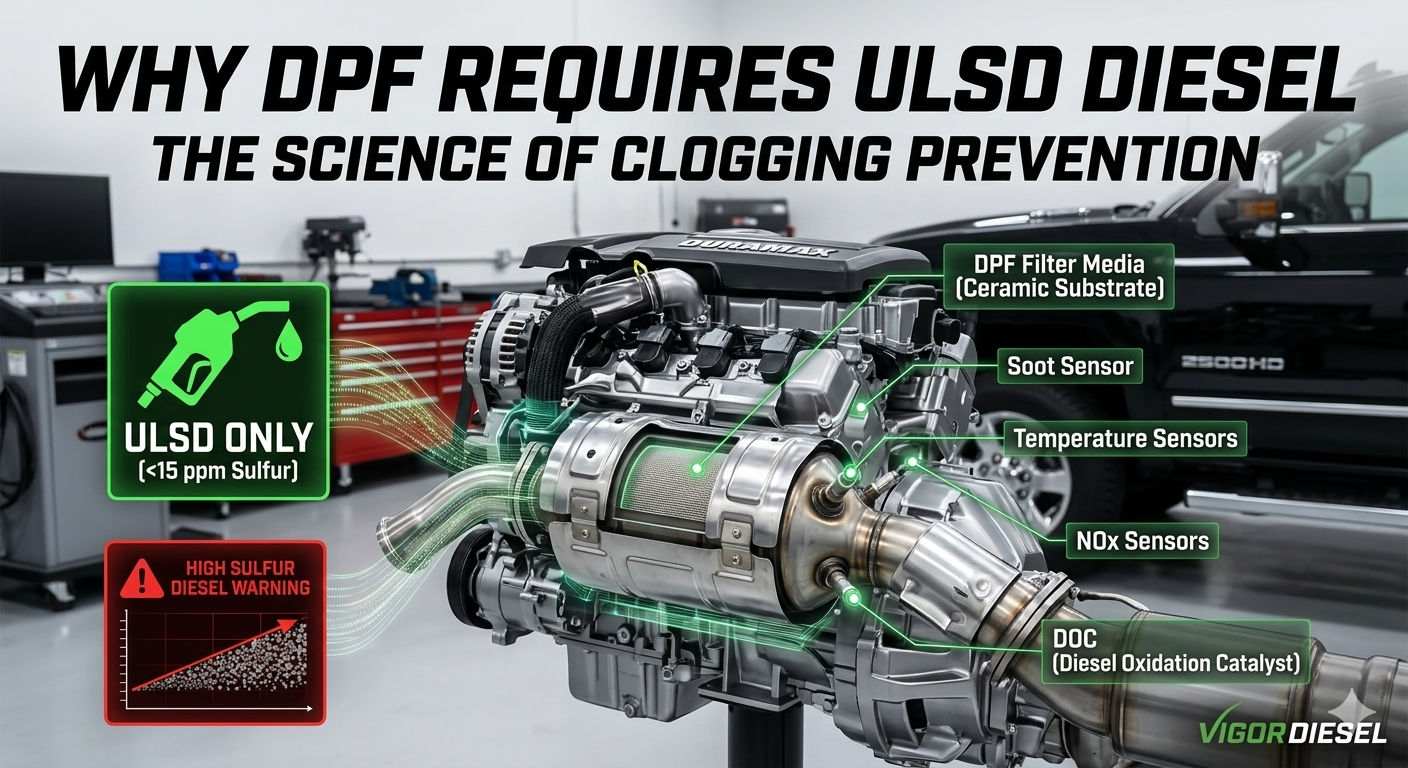
The "hate" for the 6.4L stems entirely from Ford’s first-generation DPF (Diesel Particulate Filter) and EGR (Exhaust Gas Recirculation) systems. This engine isn't inherently bad; it’s like a strong heart trapped in a failing ventilator. The emissions hardware caused:
- Extreme Heat Stress: Frequent Regen cycles lead to excessive heat in the rear cylinders.
- Fuel Dilution: Extra diesel injection for cleaning the DPF often ends up in the engine oil.
- The Reliability Paradox: The harder you work the truck, the faster the emissions components fail.
Why the 2008–2010 F-250 Emissions System Is a "Ticking Time Bomb"
For 2008, 2009, 2010 F-250 6.4 diesel owners, the emissions system creates a chain reaction of failures. It’s a "self-destructive" cycle that worsens as you cross the 80,000 to 120,000-mile mark.
1️⃣ DPF: The Regen Cycle from Hell
According to Ford’s technical specs, active regeneration should occur every 100–600 miles. However, as the DPF ages, this interval often drops to every 50–100 miles.
The true cost is high. Each regen causes fuel economy to plummet by 2–5 MPG and subjects the exhaust system to extreme thermal stress. Short trips and excessive idling accelerate DPF clogging, leading to repair bills between $2,000 and $4,500.
2️⃣ Fuel Dilution: When Diesel Destroys Your Oil
This is the 6.4L’s most notorious flaw. During regen, fuel is injected during the exhaust stroke. Not all of it reaches the DPF; some slips past the piston rings and into the crankcase.
Many owners discover their oil level is increasing—a sign that diesel is diluting the oil. Even with a massive 6.4 Powerstroke oil capacity of 15 quarts, diesel contamination destroys lubricity, leading to catastrophic bearing wear or engine seizure.
3️⃣ EGR Cooler Failure: High-Temperature Risks
In the list of 6.4 Powerstroke problems, EGR cooler failure is always in the top three. High-pressure heat loads cause the cooler to crack, leading to coolant loss, white smoke, and carbon buildup in the intake. If left unchecked, this leads to warped cylinder heads and total engine failure.
The Ultimate Solution—Why Do You Need a 6.4 Powerstroke Delete Kit and Tuner Together?
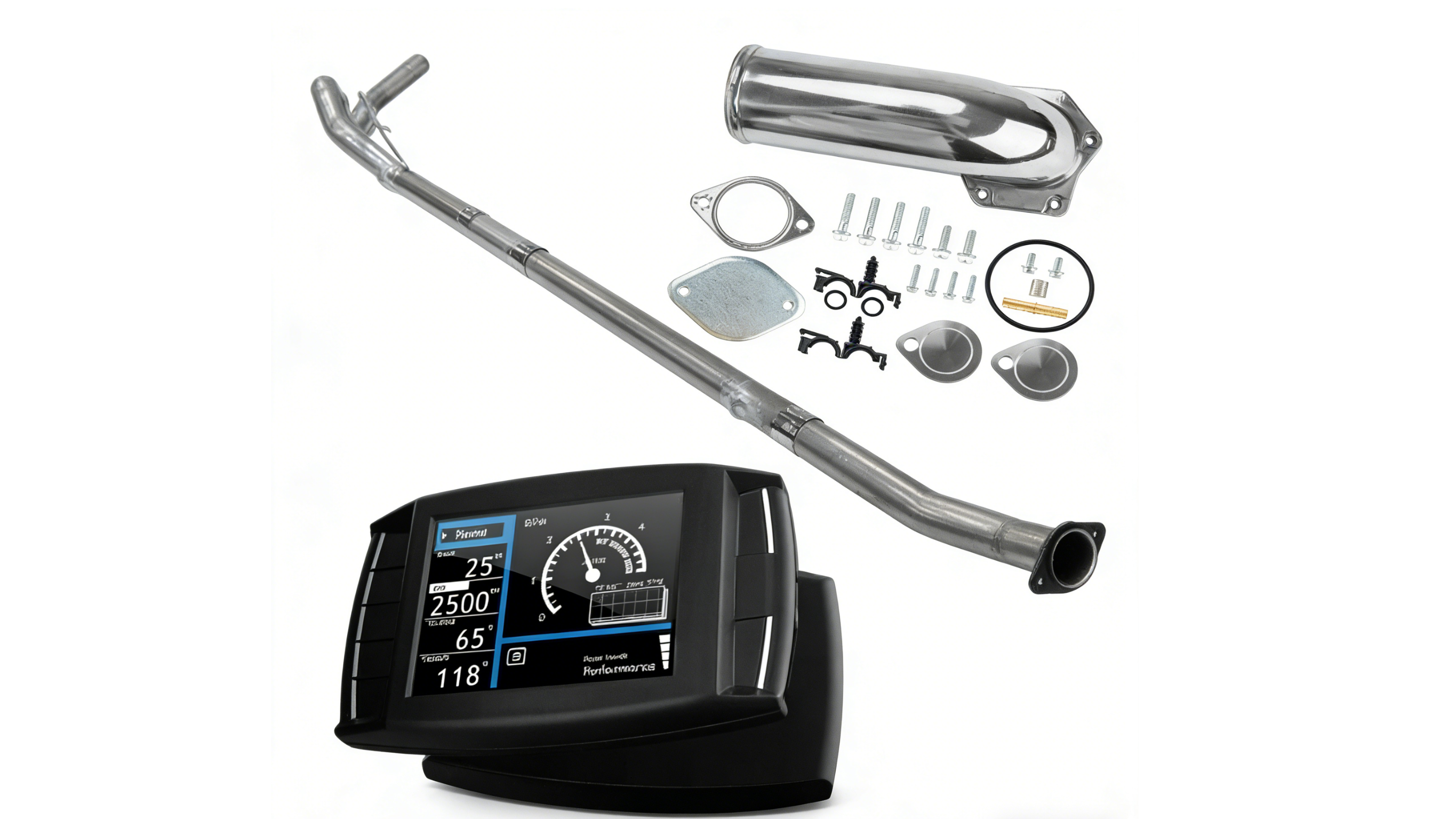
For the 2008-2010 6.4L Powerstroke, the most effective solution is a total removal and software recalibration. The EGR Delete + DPF Delete + Tuner must work as a unified package.
1️⃣ Hardware Deletion: Cutting the Problem at the Root
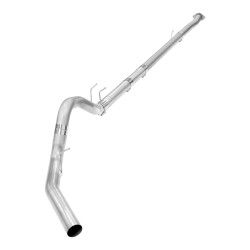
- DPF Delete: Ends the "Regen Cycle from Hell" and eliminates the risk of Fuel Dilution. Your 15 quarts of oil can finally do its job—lubricating, not mixing with diesel. You can achieve this with a 6.4 Powerstroke 4" DPF delete pipe.
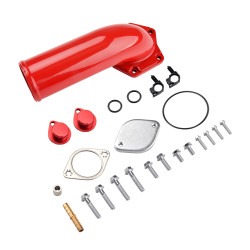
- EGR Delete: By installing a blue 6.4 Powerstroke EGR delete kit, you remove the "ticking time bomb" that threatens your cooling system.
2️⃣ The Brain of the Operation: The Tuner
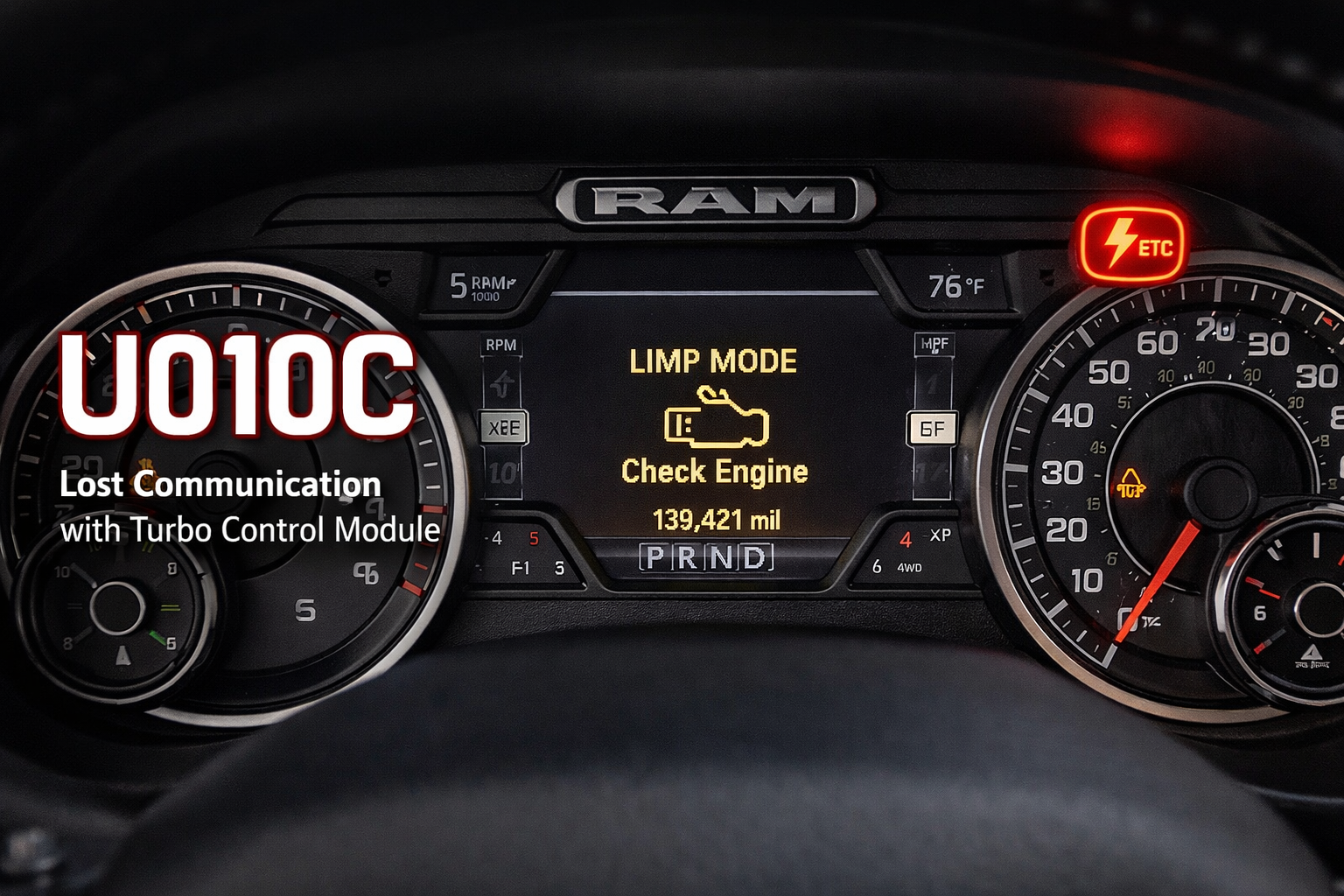
A 6.4 Powerstroke tuner is essential. Without it, your truck will enter Limp Mode and throw constant error codes. A quality tuner allows you to:
- Unlock Compound Turbo Potential: Smooth out the boost for maximum power.
- Optimize Injection: Stop the "post-injection" for regen, instantly improving throttle response.
- Real-time Monitoring: Keep an eye on EGTs and boost levels.
⚠️ Pro Tip: Always Tune First, then Delete Later. Ensure the software is flashed before physically removing the parts to avoid ECU lockouts.
Doing the Math—Why Owners Choose to "Spend to Save"
Continuing to maintain the factory emissions system is an expensive gamble. If you don't delete, you lose money through poor fuel economy, shortened oil life, and massive repair bills for DPF and EGR components ($1,500 - $4,000).
The Vigor Diesel "Stop-Loss" Checklist
Investing in a delete kit is essentially "insurance" for your engine's life:
- Entry-Level Hardware: A basic EGR kit (~$92) and a 4" race pipe (~$144) total roughly $236. That's less than the cost of a single factory EGR valve!
- Performance Upgrades: For better sound and cooling, a 6.4 Powerstroke 5" downpipe-back exhaust is the gold standard.
- The Full Solution: Combining hardware with a Mini Maxx V2 Tuner keeps your total investment between $1,000 - $1,600—less than 1/3 the cost of a catastrophic engine failure.
Conclusion—Give Your 6.4 Powerstroke a Second Chance
Don't let an outdated emissions system destroy one of the most capable diesel engines ever built. Deleting your 6.4L isn't just about performance; it's about survival. Liberate your engine and let that compound turbo finally breathe.
💬 Join the Conversation: What's Your 6.4L Story?
We want to hear from you! How many miles are on your 2008-2010 F250? Have you dealt with the nightmare of fuel dilution or white smoke? Leave a comment below and share your "Regen horror stories" or your "Delete success stories" with the community!