

6.7 Powerstroke is considered one of the most reliable diesel engines for heavy-duty pickup trucks (such as Ford F-250 andFord F-350 Super Duty). At the same time, many truck owners experience DPF system-related issues, which is why they consider a DPF delete as a solution.
Although DPF deletion may apparently enhance performance and reduce maintenance costs, it may also entail several mechanical, legal, and resale risks. Therefore, before removing the emissions system, it is crucial to understand the problems that lead to a DPF delete and the issues that the delete itself can cause.
This guide lists the most common 6.7 Powerstroke DPF delete problems, risks, and preventive measures truck owners should consider.
What Is a DPF Delete, and What Does It Actually Do?
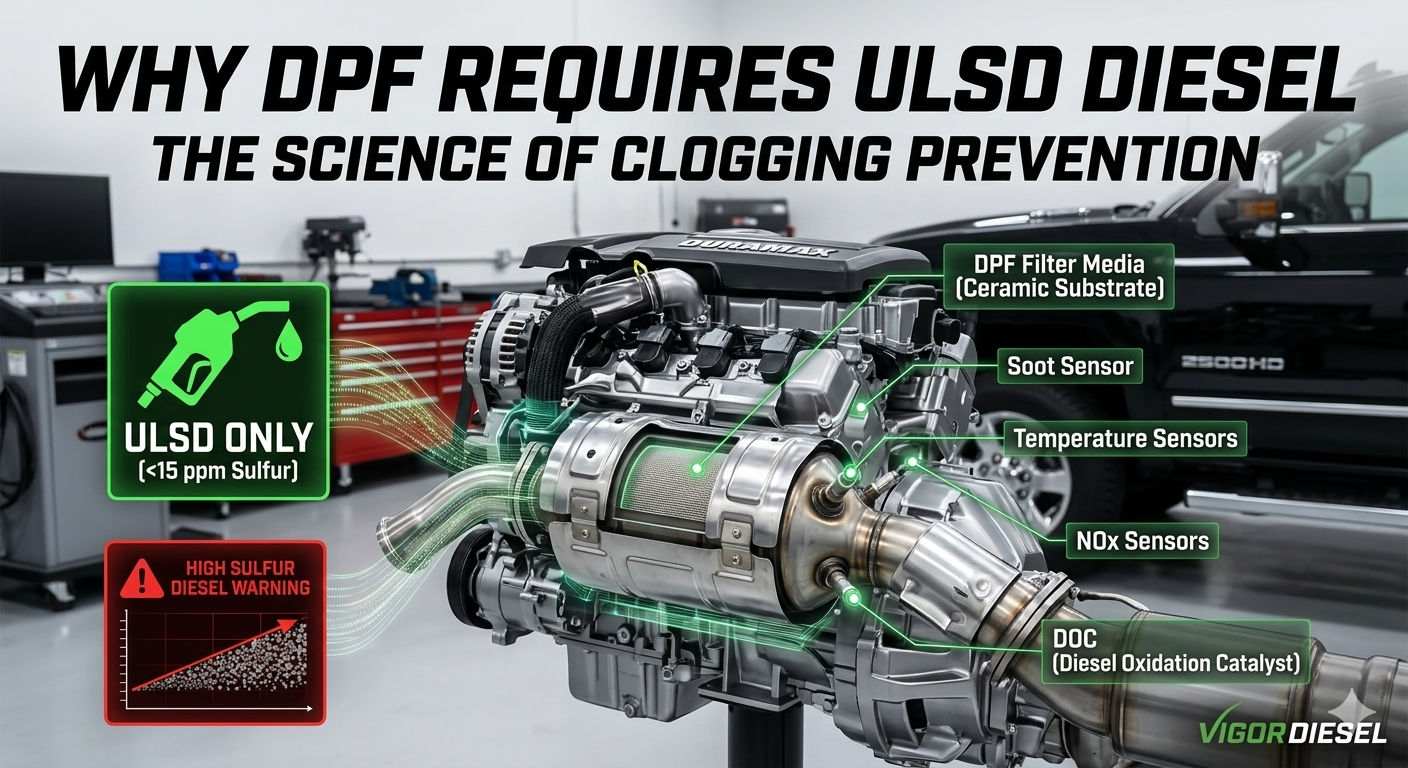
A DPF delete is the physical removal of the Diesel Particulate Filter (DPF) and reprogramming the Engine Control Module (ECM) to enable the truck to function properly without the emissions system. Simply put, a DPF delete setup includes:
- DPF filter and sensors removal
- Straight/delete pipe installation
- ECU tuning to disable codes related to emissions
The primary aim behind the DPF delete is to enhance fuel efficiency, reduce exhaust restriction, prevent costly emissions-related repairs, and improve torque.
Remember, this modification alters the factory emissions system, which may lead to legal complications in many regions, as it is not allowed for on-road use. Therefore, check your local emissions laws before removing a DPF system.
Common 6.7 Powerstroke DPF Problems | Why Do Owners Consider a Delete?
After facing recurring 6.7 Powerstroke DPF problems, many owners look for delete options. These issues mainly happen with trucks frequently used for light loads, short trips, or city driving.
1. Frequent DPF Regeneration Issues
Though DPF regen burns off accumulated soot, it may become problematic.
Symptoms
- Reduced fuel efficiency
- Warning messages on the dashboard
- Strong exhaust smell during regen
- Frequent regen cycles
Causes
- Short trips that prevent full regen
- DPF system monitoring with faulty sensors
- Excessive buildup of soot in the filter
2. Power Limitation & Performance Loss
In a 6.7 Powerstroke, a DPF can clog when soot builds up faster than it can be burned off during regen, often due to excessive soot production, interrupted regen cycles, and frequent short trips. DPF clogging restricts the smooth flow of exhaust gases through the system, resulting in power limitation.
Symptoms
- Turbo lag
- Reduced towing power
- Noticeable loss in power
- Sluggish acceleration
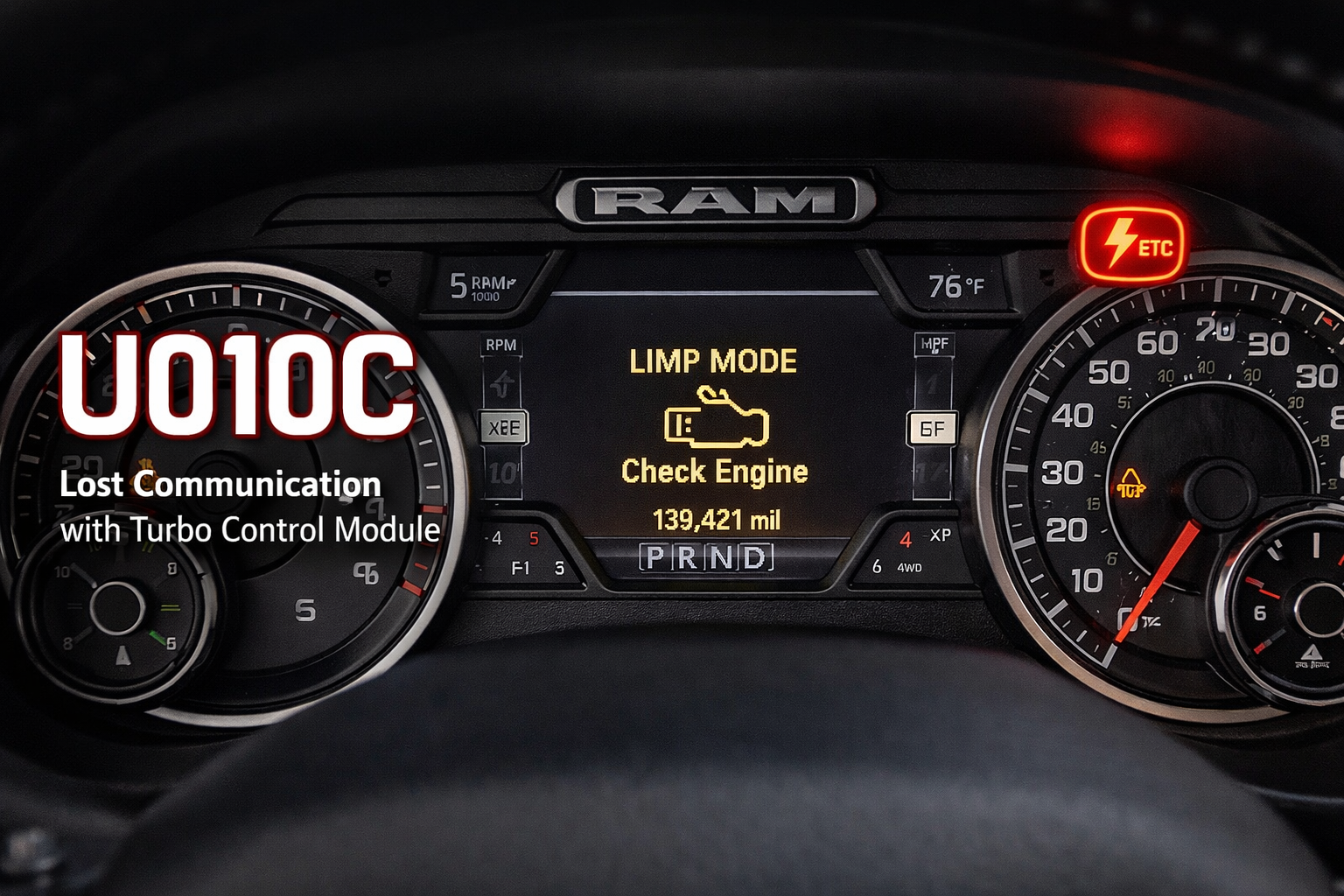
- Engine triggering limp mode
Causes
- Excessive soot buildup
- ECU limiting power for protecting the emissions system
- Increased exhaust backpressure
- Restricted exhaust flow
3. High Service & Repair Costs
Let's look at the culprits behind this issue.
Symptoms
- Check engine light
- Increased maintenance expenses
- Frequent visits to the dealership for sensor replacement or DPF cleaning
Causes
- Faulty temperature sensors
- Ash accumulating inside the DPF filters
- Higher price of original OEM emissions components
DPF-related repairs can be costly. Typical ranges are as follows.
- Sensor Replacement: $150-$600
- Professional DPF Cleaning: $400-$800
- Full DPF Replacement: $2,000-$4,000
4. Breakdown Risks from Clogged DPF
If the DPF is completely clogged, the truck's engine may not be able to function properly.
Symptoms
- Warning messages (showing the exhaust filter is fully restricted)
- The engine entering limp mode
- Noticeable loss of power while driving
- Exhaust system overheating or excessive black smoke
Causes
- Faulty sensors restricting proper regen
- Fully clogged DPF due to excessive soot buildup
- Towing heavy loads continuously without successful regen cycles
- Ignoring regen failures and early warning signs
6.7 Powerstroke DPF Delete Problems: Hidden Risks You Need to Know
Given the common problems associated with the Original Equipment Manufacturer (OEM) DPF systems discussed above, many truck owners opt to remove the DPF as a one-time solution. However, deleting the DPF system apparently solves emissions-related problems, but it may lead to legal and mechanical complications. Let’s uncover some hidden risks you should be familiar with.
1. Poor Tuning Problems
Precise ECU tuning is required for the engine to operate properly after a DPF delete. Poor calibration of the tuning file may lead to several engine-related issues, such as:
- Poor fuel injection timing
- Engine knocking
- Increased exhaust gas temperatures
- Turbo boost exceeding safe limits
The primary reason behind many DPF delete-related issues is generic tuning files or inexperienced tuners rather than the hardware itself.
2. Legal Issues and EPA Penalties (Most Critical Risk)
According to the US Environmental Protection Agency (EPA) Clean Air Act regulations, removing the DPF system or other emissions equipment is not allowed for road-going trucks across the country. Any sort of violations may lead to strict actions taken by the relevant authorities, such as:
- Failed truck inspection
- $4,000 or higher fine per violation
- Difficulty registering the truck
- Penalty for shops doing these modifications
With stricter enforcement these days, DPF deletes may now create significant legal risks for on-road trucks or vehicles.
3. Warranty Expiration
Usually, a DPF delete voids factory warranty coverage for affected parts/components. Reputable manufacturers (like the Ford Motor Company) may not accept warranty claims for:
- Fuel system problems
- Engine damage
- Emissions equipment
- Turbocharger failure
Once the delete is detected, most dealerships refuse to repair anything, even if the issue is not directly related to the DPF delete.
4. Impact on Resale Value
It is one of the major risks truck owners need to know. Many regions don't allow the deleted trucks to be sold legally. Buyers may hesitate while buying a deleted truck because:
- Insurance coverage may be affected
- The truck may not pass emissions inspections
- Costly restoration can be required to meet future legal requirements
To avoid facing these issues, owners should reinstall the genuine emissions system before selling the truck.
5. Failure to Meet Emissions Tests
States where emissions tests are mandatory for diesel trucks will fail the deleted vehicle automatically. While testing a truck, stations mainly focus on:
- Excessive smoke output
- Missing emissions components
- Diagnostic scan results
Failing to pass emissions tests makes it difficult for the vehicle to be legally registered in many areas.
How to Avoid These DPF Delete Problems?
Do you still consider a DPF delete for competition or off-road use? If yes, follow the preventive tips below to minimize the risk.
1. Choose a High-Quality Removal Kit
Every kit comes with a unique set of features and reliability. Always buy a premium-quality kit from a reputable vendor like Vigor Diesel. A high-quality exhaust system should possess the following characteristics:
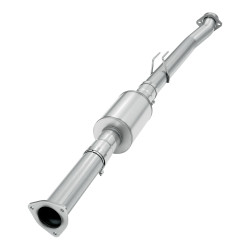
- Using high-quality stainless steel, such as 409 stainless steel
- Precision CNC machined components
- Designed specifically for a particular engine and model year
- Using pipe diameters matched to the engine
- Including all necessary mounting hardware
Note: Avoid buying cheap delete kits, as they may cause fitment issues or exhaust leaks.
2. Select a Reputable Adjustment Technician for Custom Adjustment
A professional diesel tuner will help you create custom ECU calibrations that perfectly align with your vehicle‘s configuration. Custom tuning prevents:
- Poor fuel efficiency
- Turbo overspeed
- Higher exhaust temperatures
Don't use generic tuning files downloaded from an online source, as they may create reliability issues.
3. Professional Installation
Improper installation may lead to several issues, as given below.
- Engine warning lights
- Exhaust leaks
- Sensor failures
To avoid facing such issues, go to a reputable diesel shop for professional installation to ensure everything is done safely.
4. Retain Original DPF Components
After performing a DPF delete, many experienced truck owners keep the genuine DPF and sensors. It allows them to convert their 6.7 Powerstroke truck back to its factory configuration if required for legal compliance or resale purposes.
5. Regular Maintenance
Deleting your truck’s DPF system does not mean that it no longer needs maintenance. It still requires proper maintenance, such as:
- Maintaining the health of the fuel system
- Keep track of exhaust gas temperatures
- Inspecting turbocharger operation
Note: Ignoring periodic maintenance tasks may lead to engine damage in no time.
DPF Delete vs. DPF Cleaning vs. OEM Replacement – Which Is Right for You?
The right solution depends on various factors, including long-term goals, budget, and legal requirements.
- DPF cleaning is best for truck owners looking for a low-cost legal solution, daily drivers, and vehicles/trucks with moderate soot buildup
- OEM replacement is a good choice for fleet trucks that require legal compliance, newer vehicles under warranty, and owners planning to use the truck for the long term.
- DPF delete is best for competition or off-road trucks, owners wanting maximized performance, and trucks mainly used outside regulated road systems.
The table below compares all three options for better understanding.
| Option | Cost ($) | Legal | Longevity | Risk Level |
| DPF Cleaning | 400-800 (low-moderate) | Yes | Medium | Low |
| OEM Replacement | 2,000-4,000 (High) | Yes | High | Very Low |
| DPF Delete | 800-2,500 (moderate) | Illegal for on-road use | High (uncertain legality) | High |
FAQs
Conclusion
DPF problems (such as clogged filters, frequent regen cycles, and costly repairs) are a common frustration for 6.7 Powerstroke truck owners. They often occur with light-duty trucks or those used for short trips. These recurring issues make owners consider deleting the DPF system.
Trusted brands like Virgor Diesel offer high-quality DPF delete kits for the 6.7 Powerstroke at affordable prices. These kits are intended for racing and off-road use only.
Remember, removal of emissions components may pose several risks, e.g., reduced sale value, warranty cancellation, emissions test failure, and legal issues. While a DPF delete may reduce maintenance costs and boost performance, it is not recommended for daily-driven trucks.
DPF cleaning or OEM replacement offers a legal and safe solution for many diesel engine owners. Understanding the advantages and limitations of each option helps owners make an informed decision for their driving, vehicle, and budget requirements.