


-69bd23c47de13.jpg)
-69bd23c4a3b68.jpg)
-69bd2417f33d9.jpg)



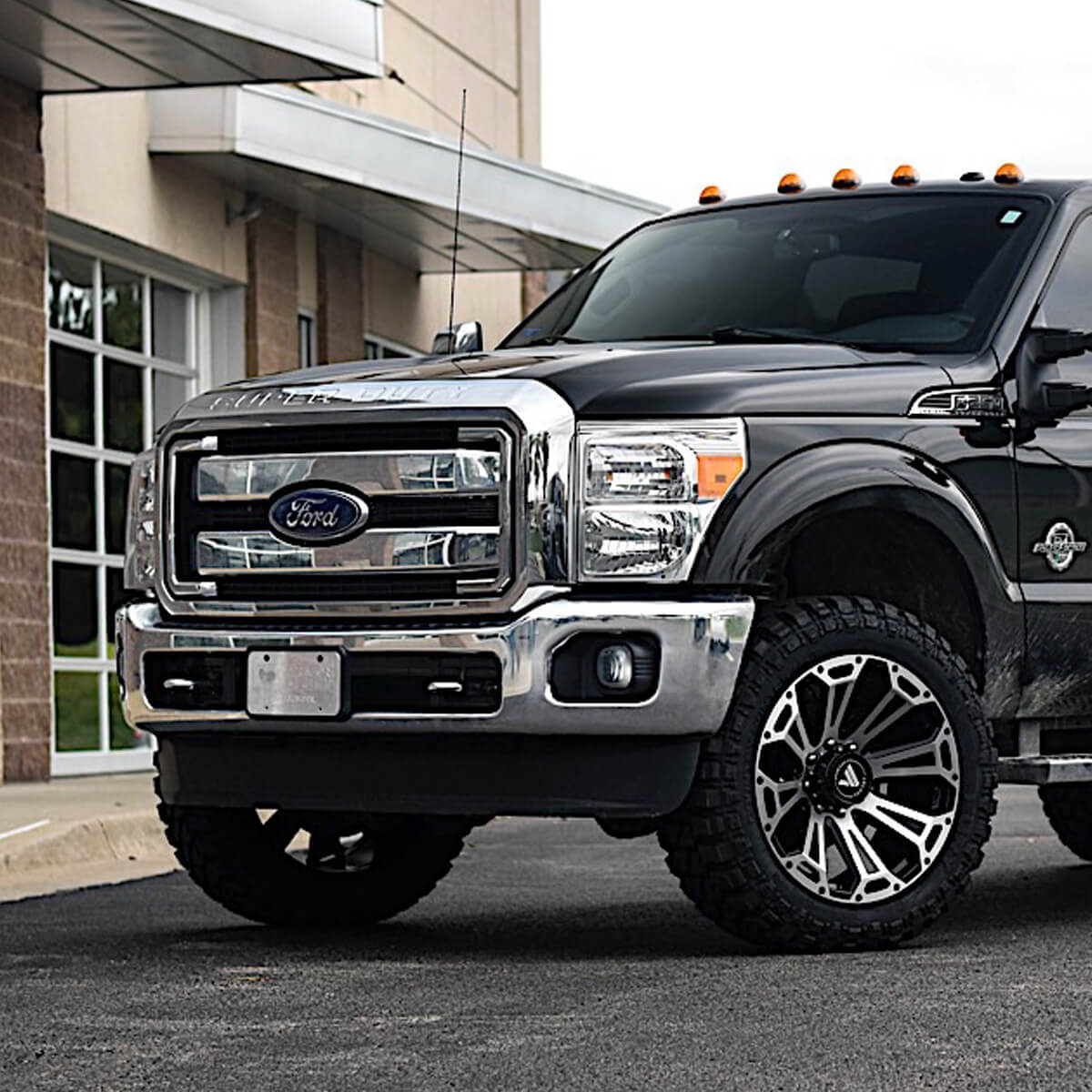
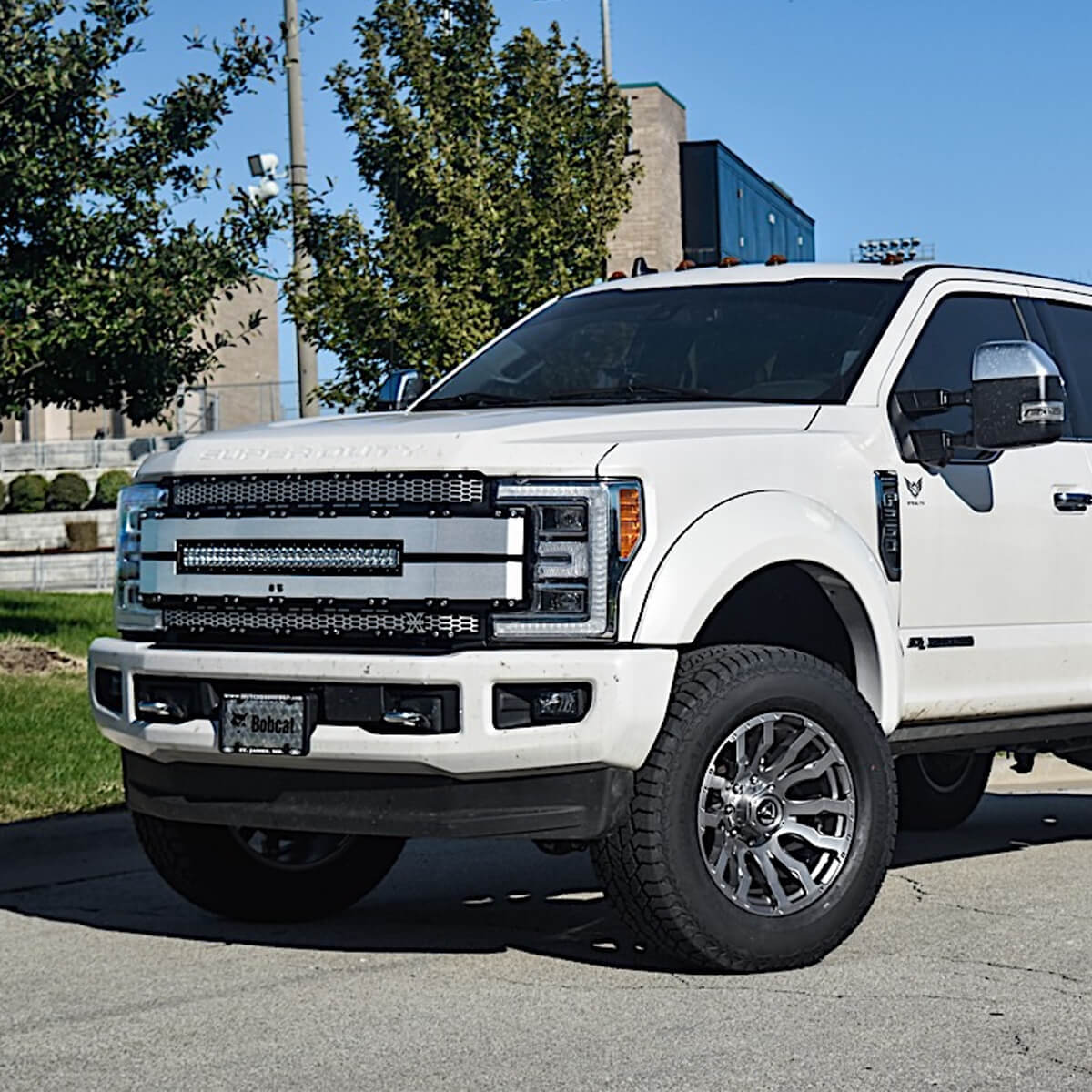
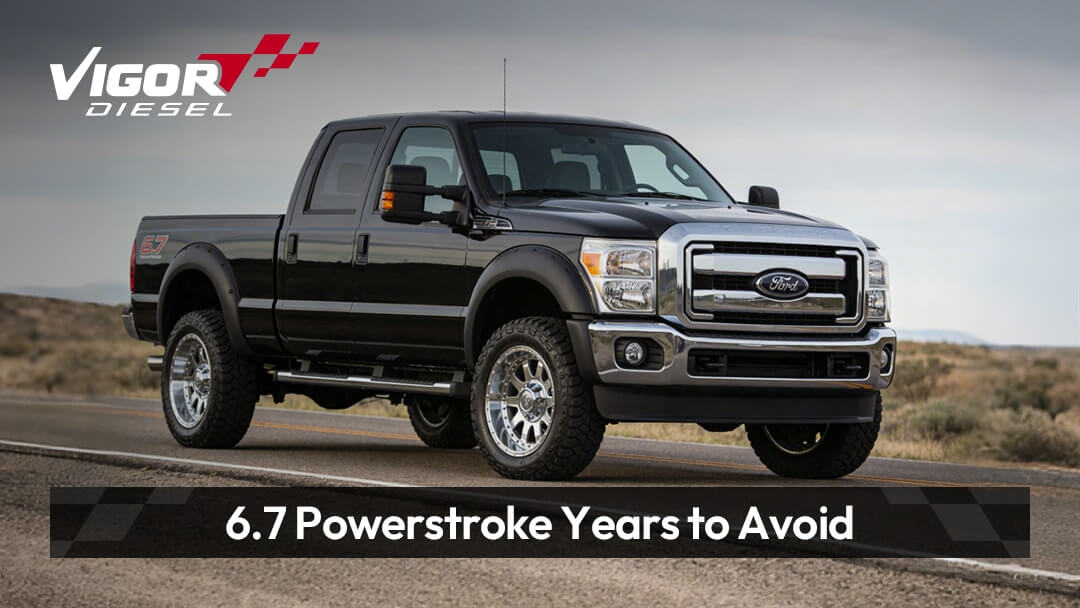
If you're considering buying a used truck with a Ford 6.7L Powerstroke diesel engine, you've come to the right place. Not all years of the 6.7L Powerstroke are equally reliable. For savvy buyers, understanding which years have issues and which are worth buying is key to avoiding high future maintenance costs. This article will provide a detailed breakdown of which 6.7 Powerstroke years to avoid, and why, based on owner reports, technical analysis, and forum discussions.
The Evolution of the 6.7-L Powerstroke Engine
Ford introduced the 6.7-liter Powerstroke engine in its 2011 models, replacing the previous 6.4-liter engine and bringing significant changes in technology and design. This engine was not based on an old platform but was a completely new heavy-duty diesel engine designed by Ford.
Here is a brief timeline of the 6.7-liter engine's development:
2011–2014: First Generation (Early Improvement Phase)
During this period, the 6.7L engine adopted a new emissions system, a new turbocharging strategy, new fuel system calibration, and many "first-generation" parts that were later improved. You'll find more recurring faults and more modified part numbers during this time.
2015–2016: Significantly Improved Reliability
Many early defects were addressed through updated parts, improved calibration, and operational tweaks. If you're looking to buy a used 6.7-liter engine without paying extra for a new model, the 2015–2016 period might be a good option.
2017–2019: Major Engine Upgrades (Second Generation)
For the 2017–2019 period, Ford improved key internal components and significantly increased power output. These trucks were generally powerful and widely considered more durable upgrades, especially suitable for frequent towing.
2020–2022: Further Improvements
Newer models offered excellent performance, but higher purchase prices and complex emissions control hardware meant you still needed a complete maintenance history and good operating data.
A simpler way to divide them: 2011–2014 was the "Early Adoption Phase, " 2015–2016 was the "Maturity Phase," and 2017 and beyond is the "improvement and Upgrade Phase."

6.7 Powerstroke Years to Avoid Explained (2011–2014)
Early 6.7-L Powerstroke engines are generally considered the worst in the series due to numerous mechanical and emissions-related issues. Here's an explanation of each worst year:
2011: The Riskiest Year (Engine's First Production Year)
2011 is the most frequently mentioned year because it was the first production year for this engine, and the problems were most concentrated there.
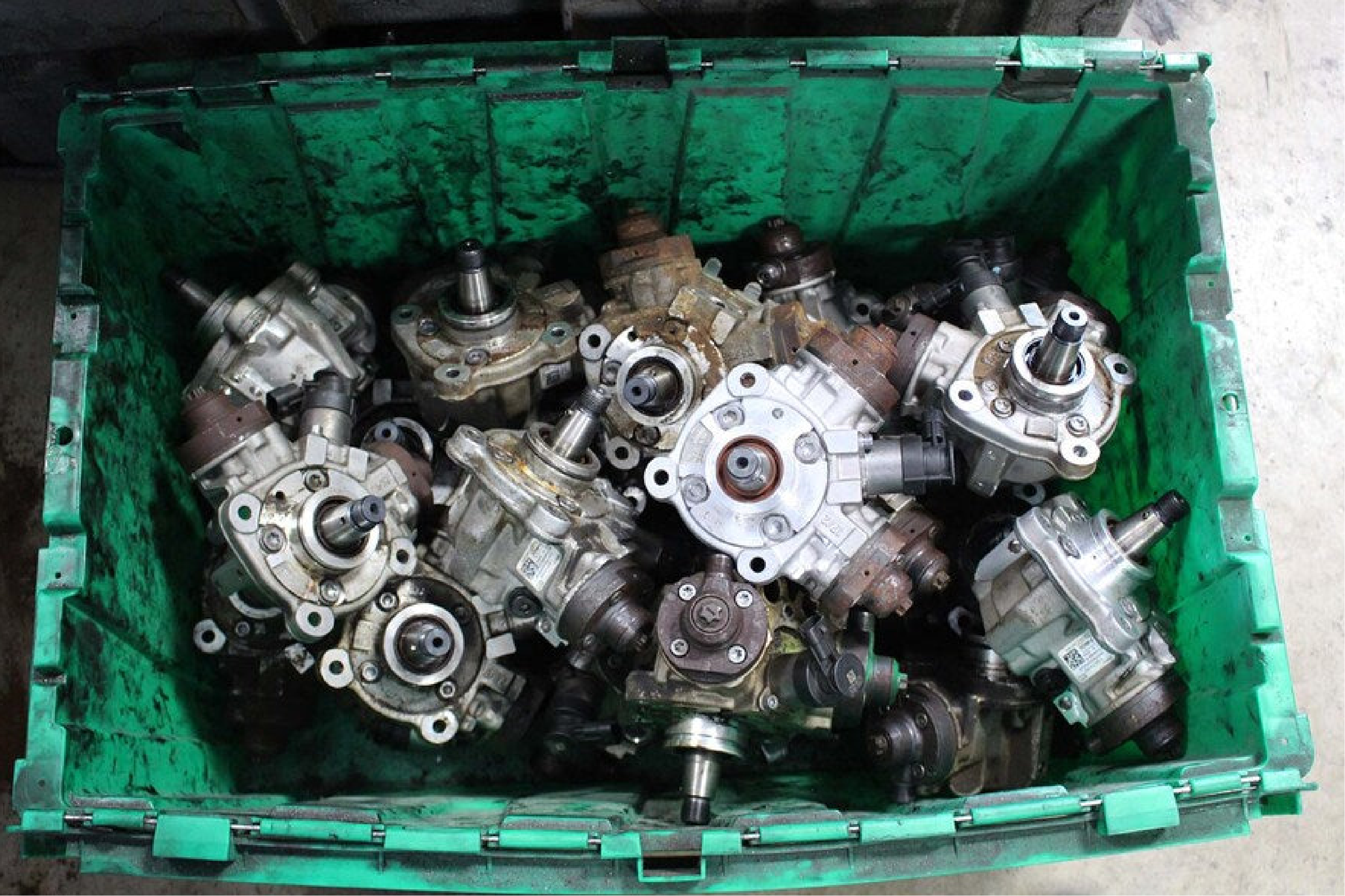
- The initial CP4.2 high-pressure fuel pump had a relatively high failure rate.
- Some engines had valve design flaws that could lead to valve breakage and catastrophic engine failure.
- More complaints related to the turbocharger (especially regarding response speed, carbon buildup, and malfunctions).
- Early emissions system issues.
Because of these issues, many diesel owners consider 2011 the worst year for the 6.7 Powerstroke engine.
2012: Improved, but Still Early Stages
The 2012 model is generally an improvement over the 2011 model, but it is still an early production batch, so some problems may still occur. Common issues include:
- Turbocharger reliability problems.
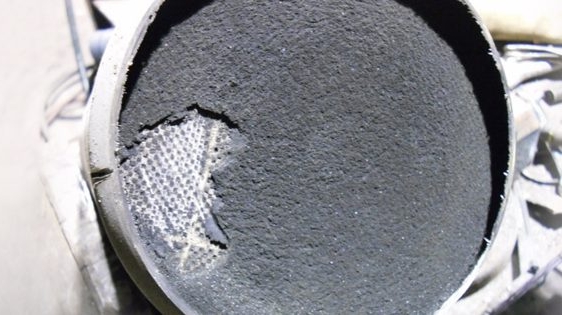
- Exhaust Gas Recirculation (EGR) system clogging.
- Diesel Particulate Filter (DPF) regeneration problems.
- Urea (DEF) sensor malfunction.
These problems are mostly related to long-term carbon buildup clogging in the emissions system.
2013: Improved, but Not Completely "Perfect"
By 2013, Ford had accumulated more real-world data, and some improvements had begun to be implemented. Nevertheless, you would still find some problems.
- Turbocharger wear.
- EGR cooler problems.
- DPF clogging in short-distance driving vehicles.
2014: A Transition Year – Still Not Ideal
By 2014, Ford had addressed many early design flaws. However, some trucks still experienced the following issues:
- Emissions system malfunctions.
- Sensor malfunctions.
- Intermittent turbocharger malfunctions.
Due to these improvements, many experts considered 2014 a transitional year rather than a truly problematic one.
Why These 6.7 Powerstroke Years Should Be Avoided?
The reliability differences between early and later 6.7 Powerstroke engines are caused by a number of factors.
1) Early Turbocharger Design
The ceramic bearings used in the 2011-2014 models were a critical design flaw. Under extreme thermal cycling, the different thermal expansion rates of the ceramic and the steel housing caused the bearings to break due to differential thermal expansion. Later models used more durable turbocharger components, improving long-term reliability.
2) Emissions System Complexity
The 6.7-liter engine employs a complex emissions system to meet environmental regulations, such as Exhaust Gas Recirculation (EGR), Diesel Particulate Filter (DPF), and DEF. While these systems are reliable, carbon buildup can cause them to clog or fail over time, especially with trucks frequently traveling short distances.
3) Maintenance Sensitivity
Gasoline engines may tolerate "good enough" maintenance, but high-pressure common rail diesel engines typically cannot. Fuel filter issues, oil quality, coolant conditions, and crankcase ventilation problems can all lead to costly failures.
Best 6.7 Powerstroke Years to Choose
Now that we've covered the years to avoid, let's look at some of the best years to consider.
Best Value: 2015-2016 Models
The 2015-2016 models featured a reliable steel-bearing turbocharger, addressing the biggest pain point of the first generation. Compared to the 2011-2014 models, the 2015-2016 models were more reliable, yet cheaper than 2017 and later models. These years benefited from improvements made after earlier production issues.
They feature:
- Higher turbocharger reliability.
- Fewer emissions system problems.
- Strong traction.
Many buyers consider these years to strike a good balance between price and reliability.
Best Used Car Choices: 2017-2019 Models
The 2017-2019 models represent the pinnacle of 6.7 Powerstroke reliability, boasting a mature GT37 turbocharger, reinforced internal components, and a robust 6R140 transmission. You'll typically get:
- More power and torque
- A more mature 6.7 platform
- Fewer early design flaws
Best Premium option: 2020 and later models
If your budget allows, newer models are also a good choice. Benefits include:
- Updated parts.
- Upgraded fuel system.
- Improved engine management system.
These trucks are generally considered the most refined and reliable versions currently available.
What to Check Before Buying a Used 6.7 Powerstroke?
If you've already decided on a used 6.7L Powerstroke, check the following before making payment:
1) Maintenance History
Check maintenance history, including:
- Fuel filter replacement history (crucial for modern diesel engines).
- Oil change history at appropriate intervals (don't extend replacement intervals).
- Cooler fluid maintenance history (especially if towed).
- Transmission maintenance history.
2) Check the Emissions System
Use an OBD2 scanner to check for fault codes related to EGR and DPF. Ask the owner if the regeneration frequency is normal. Also check the following:
- Excessive carbon buildup around connectors (potential leak).
- Tampering (this could cause legal and inspection issues depending on your state).
- Repeated sensor replacements (ask for the reason).
If you live in an area where emissions testing is required, keep it simple: buy a well-maintained and working truck.
3) Pay Attention to Cold Start and Idle Quality
Always start the engine after it has completely cooled down. Check for unusual noises, vibrations, or blue/white smoke, which may indicate a problem with the turbocharger or fuel injectors. A healthy 6.7-liter engine typically starts smoothly and idles steadily.
4) Check for Blow-by and Crankcase Pressure
Excessive blow-by after the engine warms up may indicate engine wear. A small amount of steam is normal; however, severe pressure pulsations and oil mist are abnormal. You can have a more precise test done at a reputable diesel engine repair shop.
5) Check for Signs of Excessive Towing or Poor Usage
Towing itself is not the problem—the problem is neglect. Signs include:
- Overheated or discolored fluids.
- Mismatched tires and worn suspension components.
- Worn fifth wheel/gooseneck hooks with no repair history.
Also, inquire about the vehicle's usage. Trucks that frequently travel long distances on highways actually wear down their emissions systems less than those that idle all day or travel short distances.
6) Check the Fuel System
Ask if the CP4 pump has been replaced, if a "disaster prevention kit" has been installed, or if a CP3 modification has been performed. Check the fuel filter for metal debris.
Conclusion: Is the 6.7-liter Powerstroke diesel truck worth buying?
Yes. If you choose correctly, the 6.7-liter Powerstroke diesel truck is worth buying. The key is to understand that those 6.7-liter Powerstroke engine years to avoid—primarily 2011 to 2014—are not necessarily bad, but statistically they are more prone to early design flaws and expensive emissions or turbocharger-related repairs.
If you want to buy the most reliable used truck, it's recommended to start looking for better value models around 2015-2016, or more fully equipped models from 2017-2019. When buying, you should primarily rely on the vehicle's maintenance history and diagnostic results, not just the year.
Do you have any experience or questions about buying a 6.7 Powerstroke? Feel free to share in the comments!