Find all the latest automotive news and advice from Vigor Diesel. Stay up-to-date on all the latest trends and topics in the automotive industry with our blog.
n the world of turbodiesel performance, the turbo downpipe is often considered the "first key" to unlocking your engine's true potential. For Duramax L5P or LML owners, the restrictions of the factory exhaust design do more than just stifle horsepower—they keep exhaust gas temperatures (EGTs) dangerously high.
When it comes to upgrading, you face a classic dilemma: do you choose the compliant balance of a catted downpipe, or the raw, high-flow performance of catless downpipes? This article takes a deep dive into the structural differences between the two and provides a professional downpipe exhaust buying guide tailored to the factory design flaws of the LML and L5P. Whether you're chasing that crisp turbo whistle or seeking maximum reliability for heavy towing, this comparison will give you the clarity you need to choose with confidence.
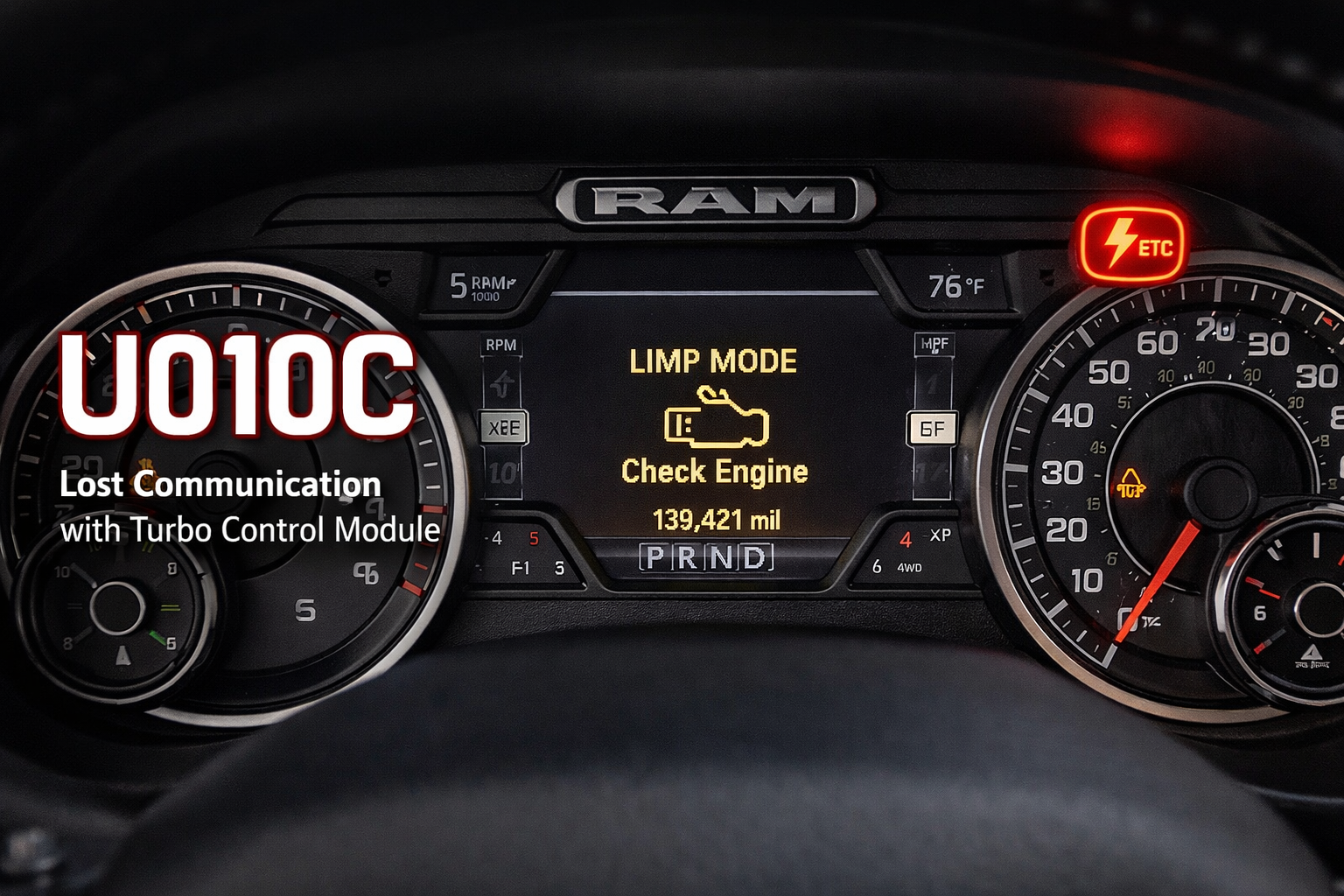
If your RAM 2500 is stuck in Limp Mode with a U010C code, replacing the turbo actuator might only be a temporary band-aid. Discover why exhaust backpressure from a clogged DPF is the real "actuator killer" and how a Vigor Diesel delete kit can provide a permanent solution.
Standing at the 2026 crossroads, 2017–2024 Powerstroke owners are facing the dual pressure of expiring warranties and aging aftertreatment systems. Should you continue with piecemeal repairs or opt for a systematic overhaul? This decision matrix, based on vehicle year, mileage, and usage, will reveal the best path forward for your truck.
n the world of turbodiesel performance, the turbo downpipe is often considered the "first key" to unlocking your engine's true potential. For Duramax L5P or LML owners, the restrictions of the factory exhaust design do more than just stifle horsepower—they keep exhaust gas temperatures (EGTs) dangerously high.
When it comes to upgrading, you face a classic dilemma: do you choose the compliant balance of a catted downpipe, or the raw, high-flow performance of catless downpipes? This article takes a deep dive into the structural differences between the two and provides a professional downpipe exhaust buying guide tailored to the factory design flaws of the LML and L5P. Whether you're chasing that crisp turbo whistle or seeking maximum reliability for heavy towing, this comparison will give you the clarity you need to choose with confidence.
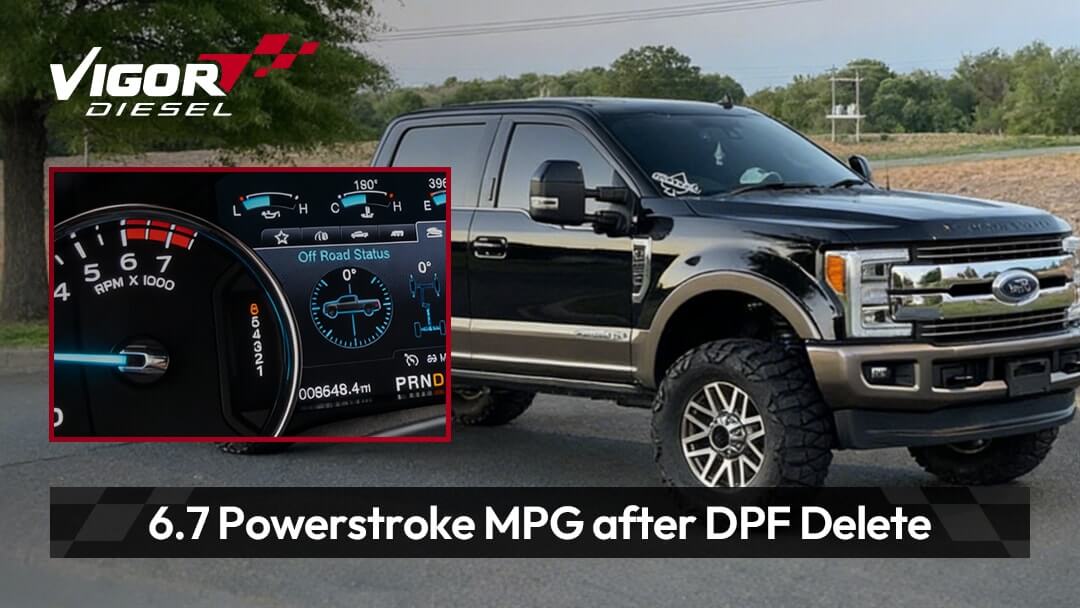
This guide breaks down real-world 6.7 Powerstroke MPG after DPF delete, comparing stock, deleted, and tuned setups, plus towing vs empty driving. It highlights efficiency factors, improvement tips, and potential fuel savings.
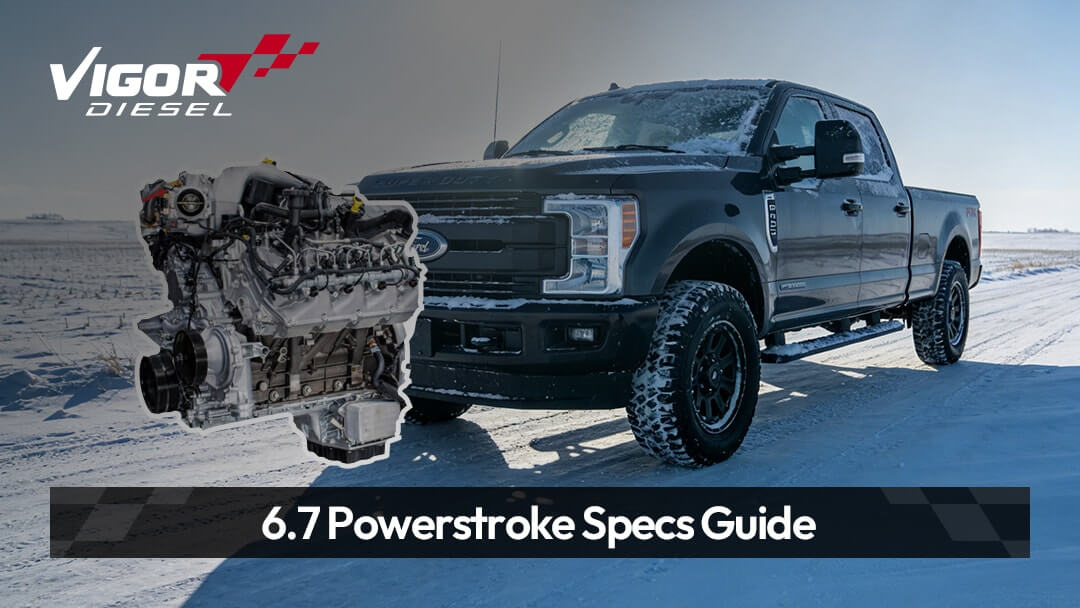
This guide breaks down Ford 6.7L Powerstroke specs, horsepower, torque, key features, and how it stacks up against Cummins and Duramax, helping owners get the most from their trucks.
The Ford 6.7L Powerstroke is a durable diesel engine with improved reliability over the years. This guide covers model-year reliability, common problems, preventive upgrades, competitor comparisons, and service life to answer “Is the 6.7 Powerstroke reliable?”
If your RAM 2500 is stuck in Limp Mode with a U010C code, replacing the turbo actuator might only be a temporary band-aid. Discover why exhaust backpressure from a clogged DPF is the real "actuator killer" and how a Vigor Diesel delete kit can provide a permanent solution.
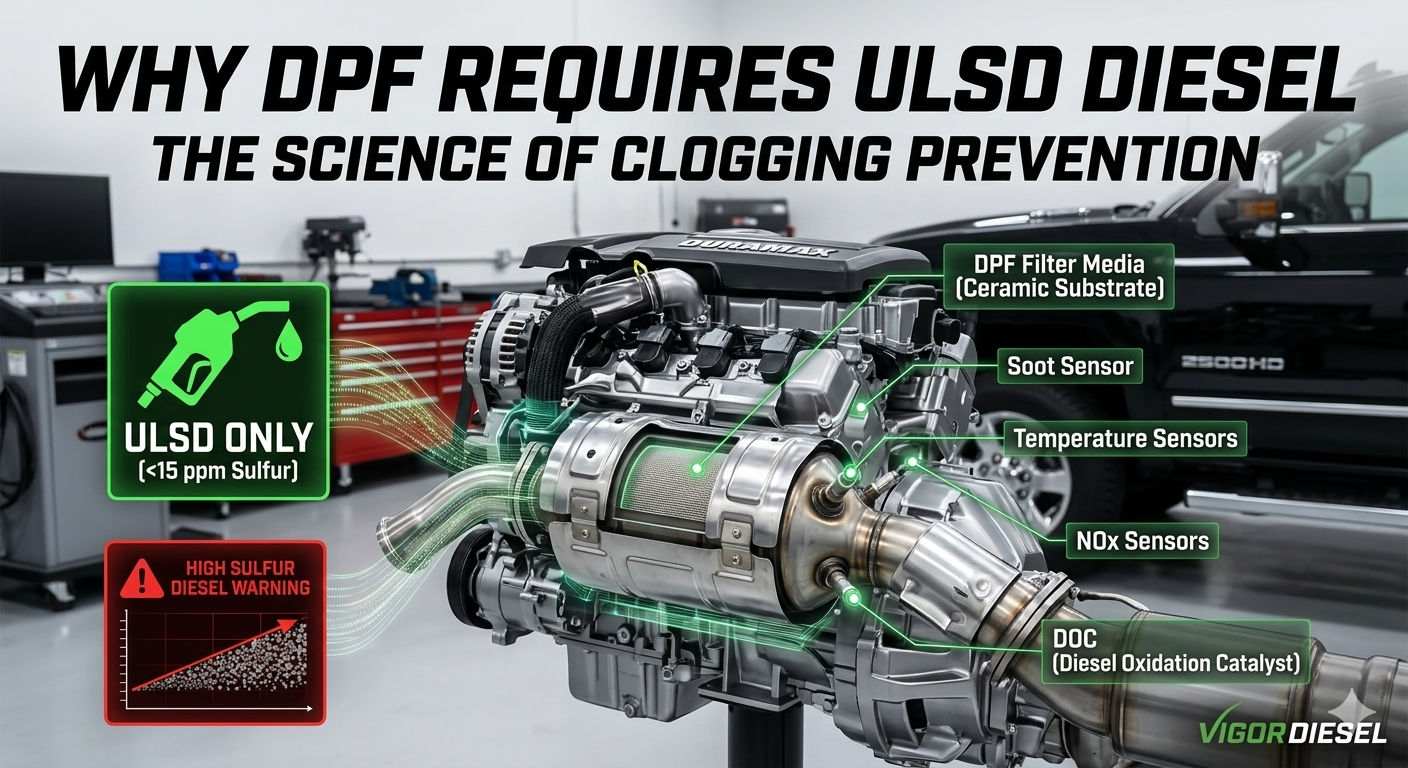
For modern diesel truck owners, the label "Ultra-Low Sulfur Diesel (ULSD) Only" is a familiar sight at the fuel pump. Since 2007, the heavy-duty pickup industry—including Powerstroke, Cummins, and Duramax platforms—has been engineered around this refined fuel standard.
While most drivers know that using the correct fuel is a warranty requirement, many do not fully understand the mechanical "why" behind it. The necessity of ULSD is not just an environmental regulation; it is a fundamental requirement for the survival of your Diesel Particulate Filter (DPF). In this guide, we will break down the relationship between sulfur levels and DPF health, and why fuel quality issues often lead truck owners to research more permanent off-road-use solutions, such as a DPF delete kit.
Standing at the 2026 crossroads, 2017–2024 Powerstroke owners are facing the dual pressure of expiring warranties and aging aftertreatment systems. Should you continue with piecemeal repairs or opt for a systematic overhaul? This decision matrix, based on vehicle year, mileage, and usage, will reveal the best path forward for your truck.
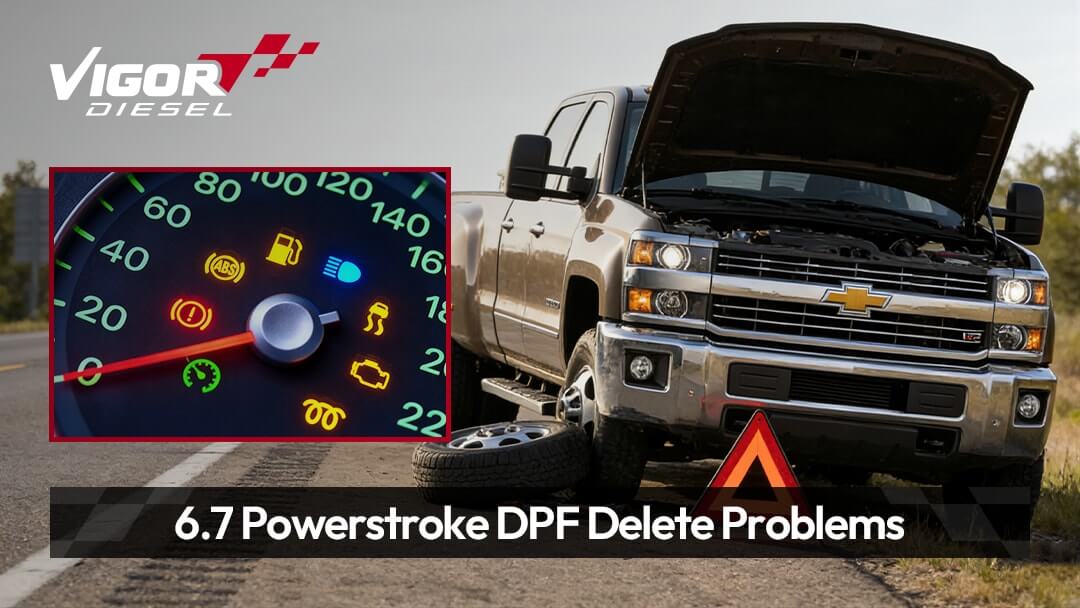
This guide presents common DPF problems, e.g., clogged filters and regen issues. It also explains the 6.7 Powerstroke DPF delete problems after removing the emissions components, e.g., warranty loss and poor tuning. Finally, comparing DPF cleaning, OEM replacement, and DPF deletion helps owners choose the safest option.
Standing at the 2026 crossroads, 2017–2024 Powerstroke owners are facing the dual pressure of expiring warranties and aging aftertreatment systems. Should you continue with piecemeal repairs or opt for a systematic overhaul? This decision matrix, based on vehicle year, mileage, and usage, will reveal the best path forward for your truck.
Produced between 2008 and 2010, the Ford 6.4L was born to be a legend with its revolutionary compound turbos and massive torque. Yet, for many F-250 owners, it became a "maintenance nightmare" due to first-generation DPF and EGR systems. At Vigor Diesel (VD), we believe this engine deserves a second chance. Our integrated Delete Kits and Tuner solutions are designed to strip away the "emissions chokehold," ending the cycle of fuel dilution and regen failure to finally let your 6.4L breathe, perform, and last.
If you own a 2011–2016 Ford F-250 6.7 Powerstroke, you already know how capable these trucks are—but you also know how frustrating the factory emissions system can become with mileage. Frequent regen, rising DEF costs, EGR buildup, and DPF restrictions can turn a reliable work truck into a constant expense. In this guide, we break down why these years are the sweet spot for delete solutions, what the real operating costs look like, and why an EGR + DPF delete with EZ Lynk tuning has become the go-to setup for so many owners.
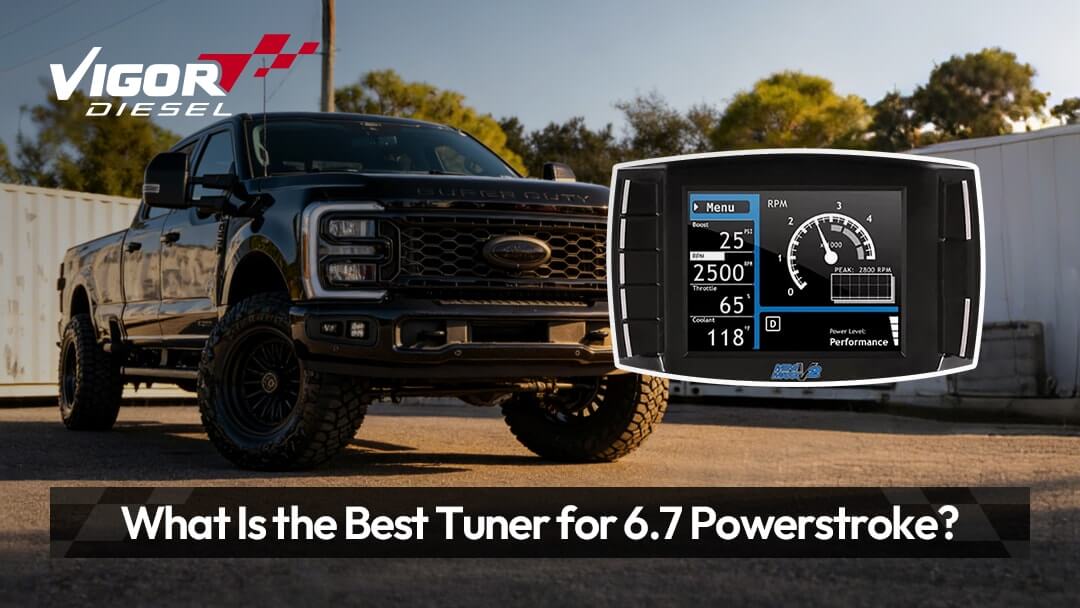
Your truck setup and goals (e.g., customer performance and towing optimization) determine the best tuner for a 6.7 Powerstroke. Reliable options include EZ Lynk, SCT, and Banks Derringer. The right tuner ensures improved reliability, power, and responsiveness while considering warranty impact, budget, and legality.
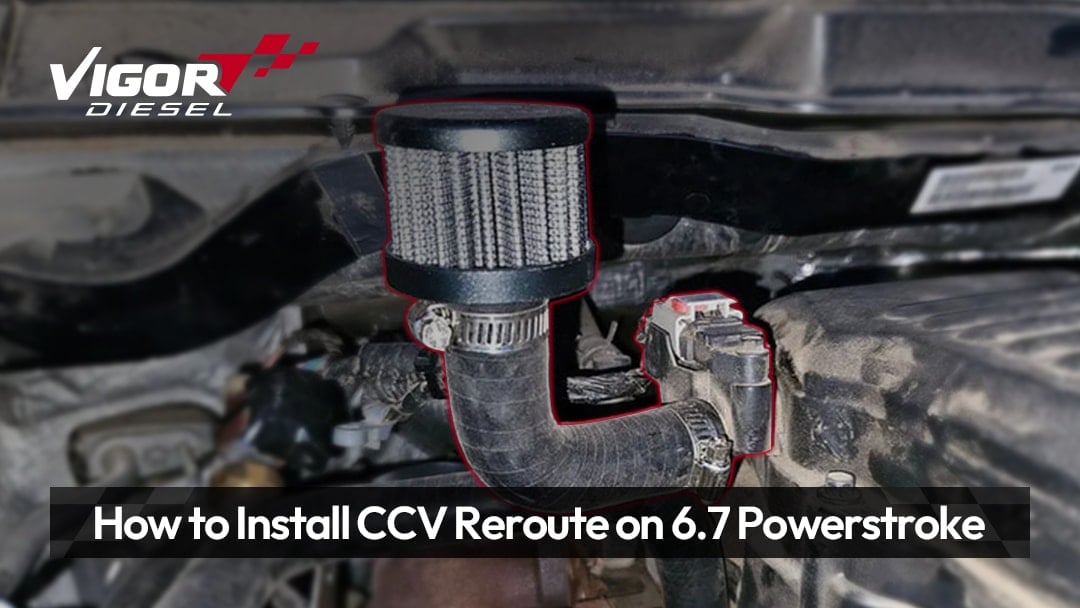
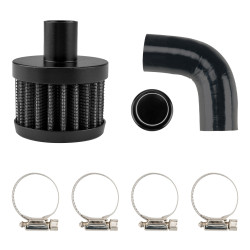
Learn how to install a 6.7 Powerstroke CCV delete/reroute kit (2011–2025). This step-by-step guide covers tools, torque specs, catch can setup, and post-installation testing for off-road use.
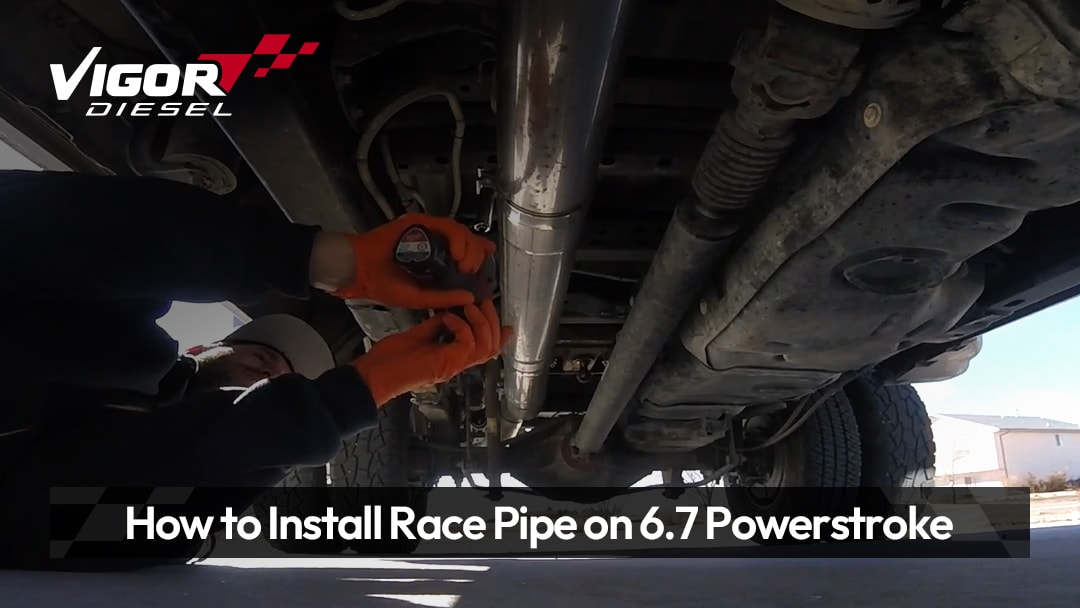
This step-by-step guide shows how to install a 6.7 Powerstroke race pipe to replace the DPF, reduce back pressure, and improve exhaust flow for off-road use.
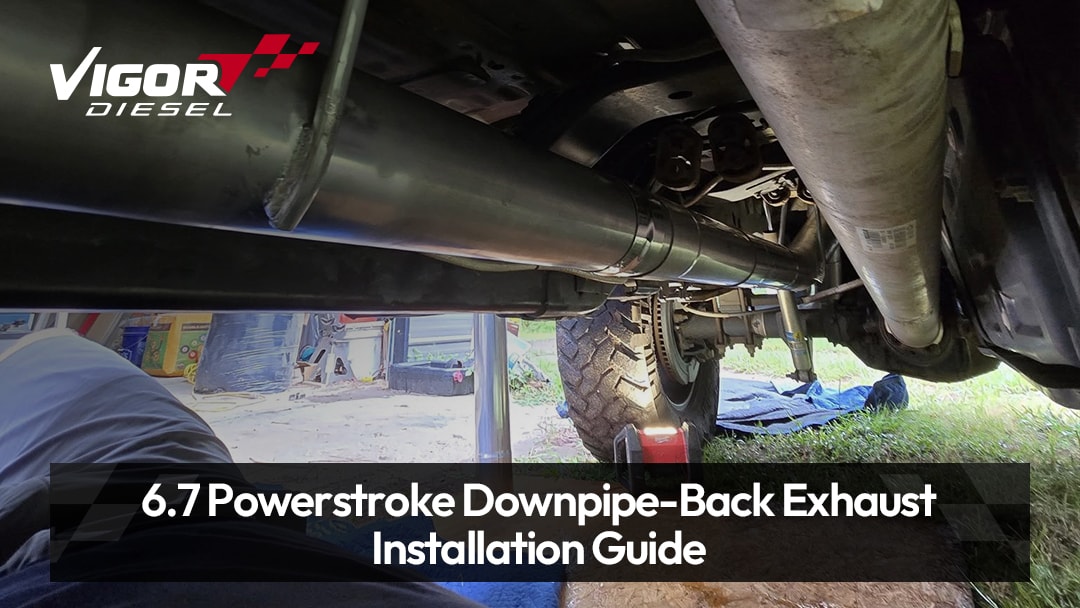
Learn the complete 6.7 Powerstroke downpipe installation process. Follow our guide for 4-inch and 5-inch downpipe-back exhaust upgrades with tips for safe handling and proper alignment.
In order to provide you a personalized shopping experience, our site uses cookies. By continuing to
use this site, you are agreeing to our Cookie Policy.